Ukraine’s intensified strikes on Crimea are changing the economics of the war by turning the peninsula into a logistics trap for Russia, squeezing fuel flows, military supply lines and the cash that keeps the occupied region functioning.
Crimea Strikes Raise Russia Costs and Defense Demand
That matters because Crimea is no longer just a symbolic prize in the conflict. By targeting tankers, refineries and other transport nodes, Kyiv is trying to make every Russian movement across the peninsula slower, dearer and more fragile. The objective is not simply to hit assets, but to force Moscow to spend more to defend, resupply and subsidize Crimea — a burden that can ripple through the wider war effort.
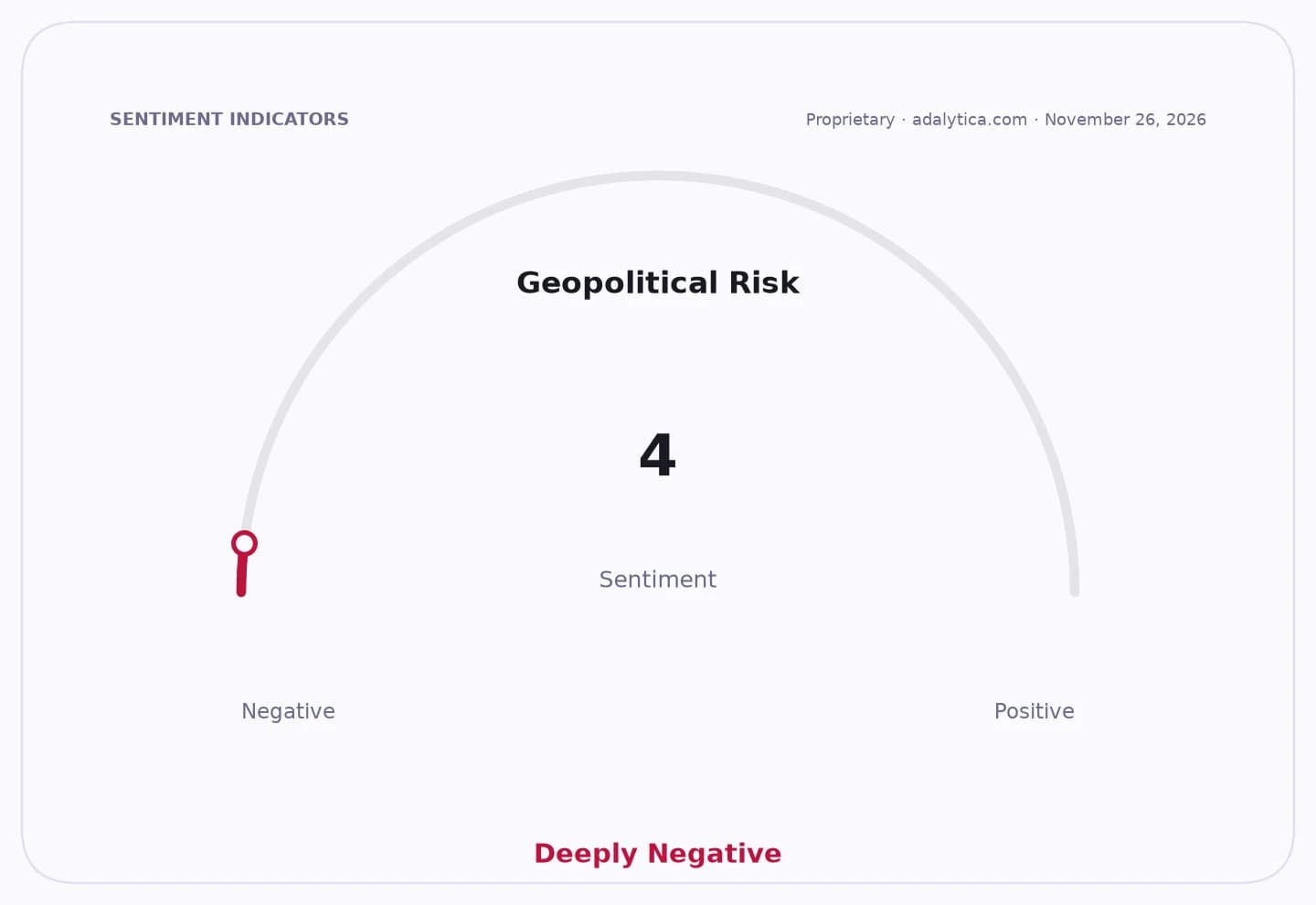
Sentiment Indicators
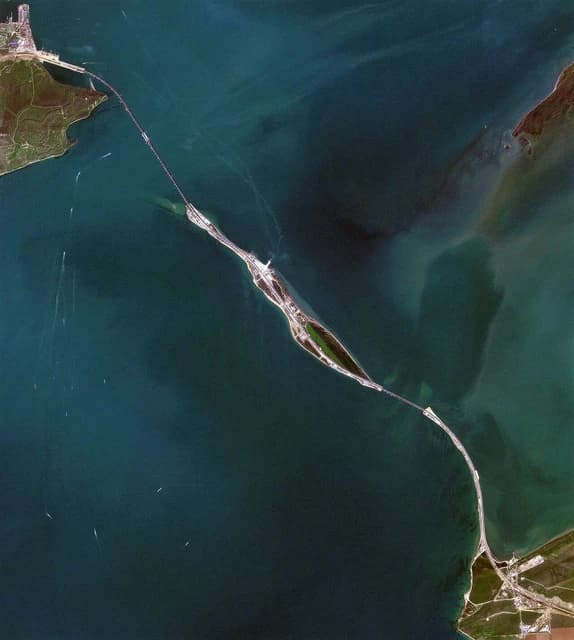
The pressure is already visible in the policy response from Moscow. Russia has had to commit more than 4.3 billion rubles to support Crimea’s tourism industry and stabilize the region as fuel shortages and cash disruptions deepen. That suggests the campaign is reaching beyond the battlefield and into the local economy, where shortages can weigh on civilian morale, logistics for troops and the credibility of Russian control.
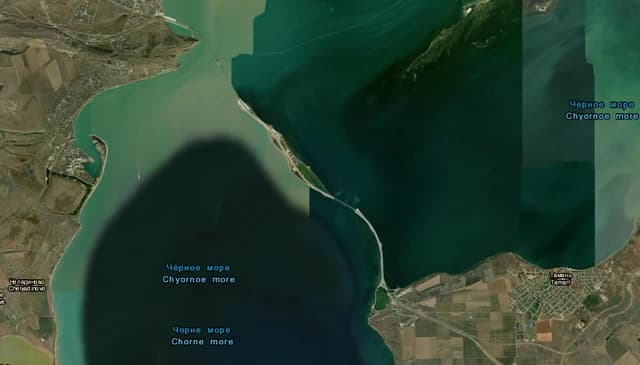
Ukraine’s approach also reflects a broader shift in the war: instead of trying to match Russia in mass, it is exploiting vulnerabilities in supply chains. Crimea, dependent on long, concentrated transport routes and fixed infrastructure, is especially exposed. In military terms, a peninsula can become a bottleneck. In economic terms, it becomes an expensive liability.
The market implications are more indirect but still relevant. Escalation in Crimea reinforces the idea that the conflict remains a persistent geopolitical stressor rather than a contained regional issue. That helps explain why the Adalytica Global Stability Sentiment gauge has slumped to 15, marked as “Extreme Fear,” even as market “awareness” remains elevated. Investors may not trade Crimea day to day, but they do price the broader risk of disruption to energy, defense spending and sanctions policy.
Defense contractors are among the clearest beneficiaries of that backdrop. Lockheed Martin, Northrop Grumman and RTX have all been trading in line with a market that continues to reward exposure to higher global security spending. Technical indicators on the stocks show the sector has recovered from recent weakness, with RTX and LMT holding above their 50-day moving averages and RTX’s momentum improving. The case for the bull side is straightforward: prolonged geopolitical strain supports demand for air defense, munitions, surveillance and logistics resilience. The bear case is that valuations can become vulnerable if investors believe conflict-related spending is already priced in, or if budgets and procurement timing slip.
For Russia, the economics are deteriorating at the margin. A successful Ukrainian logistics campaign raises the cost of occupation, diverts resources to defense and subsidy programs, and can force awkward trade-offs between military priorities and civilian stability. For Ukraine, the payoff is asymmetric: relatively low-cost drone and strike operations can impose recurring costs on a much larger adversary.
The key question now is whether Kyiv can keep widening that gap. If attacks on Crimea continue to choke fuel supplies and transport capacity, the peninsula could become not just a military pressure point but a sustained fiscal drain for Moscow — and a reminder to investors that the war’s economic effects are still evolving.
| Entity | Gains | Losses |
|---|---|---|
| Ukraine | ▲Higher leverage per strike | ▼Limited ability to scale quickly |
| Russia | ▲— | ▼Rising logistics and subsidy costs |
| Defense contractors | ▲Stronger spending outlook | ▼Richer valuations if conflict cools |
| Crimea’s economy | ▲— | ▼Fuel shortages, cash strain |