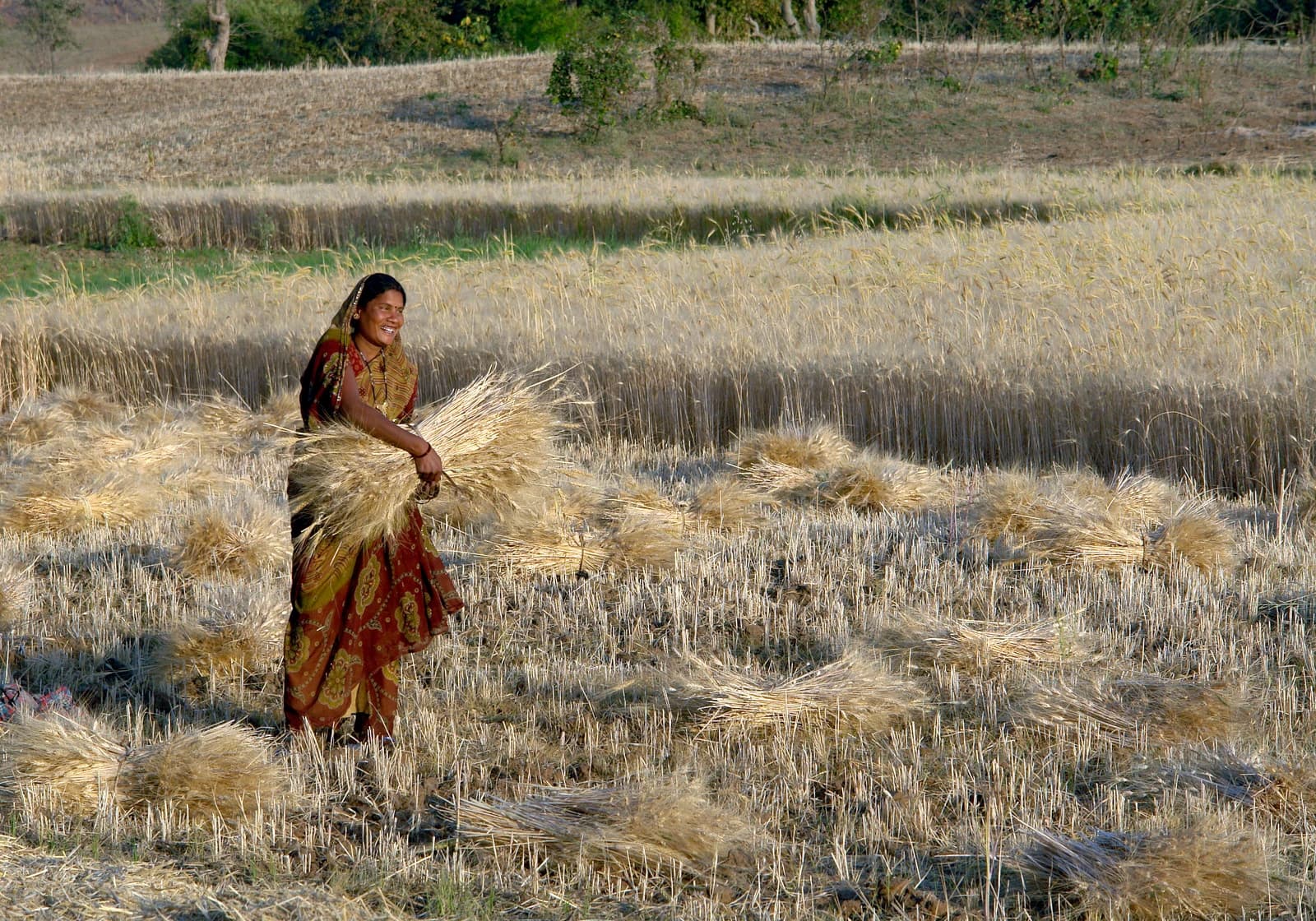
Croatia’s farm sector is moving toward a more coordinated wheat market, with five large production centres and silos planned in Slavonia that would add 250,000 tons of storage and let growers sell from a stronger position.
Croatia Wheat Silos Plan Adds 250,000 Tons Storage
The project matters because it attacks one of the biggest structural weaknesses in Balkan grain farming: fragmented production and weak bargaining power at harvest, when farmers are often forced to sell into a buyer’s market. By pooling supply through producer organisations and holding grain in jointly owned silos, Croatian growers would be able to delay sales, smooth seasonal price pressure and improve access to finance through warehouse receipts and other storage-backed instruments.
That is economically significant in a country where wheat is grown on about 150,000 hectares, far less than neighbouring Serbia’s Vojvodina and Hungary, and where officials say small family plots of five or 10 hectares cannot compete on their own. The Croatian Agricultural Chamber is pitching the silos as part of a broader 2050 plan that links storage, joint procurement and state reserves, including the possibility that public stocks would lease part of the capacity and store wheat there.
The financing model is also notable. Chamber president Željko Mihelić said a 50,000-ton silo would cost 6 million to 8 million euros, with 65% of the investment expected to come from European funds and the rest from producer contributions. If that funding structure works, the plan could become a template for consolidating supply chains in other crops as well, reducing input costs and strengthening farm balance sheets in a sector that remains undercapitalised.
For investors, the implications go beyond Croatian agriculture. Better storage capacity and more organised marketing can reduce distress selling, support farm incomes and improve the quality of local supply, which matters for grain traders, lenders and food processors. It may also tighten the link between domestic prices and wider regional grain markets, including wheat benchmarks such as WEAT and broader agricultural exposure through CORN and DBA, even if the immediate effect would be modest.
The bear case is execution. Croatian farm groups have long resisted co-operatives, and HPK officials themselves said political and cultural resistance could delay meaningful results for five to 10 years even if the buildout could start producing gains sooner. If producer organisations fail to form at scale, the silos risk becoming underused infrastructure rather than a genuine shift in market power.
Still, the direction is clear: Slavonia’s silo plan is an attempt to turn Croatia’s wheat sector from a price taker into a more disciplined seller, with storage used not just as logistics but as leverage.
| Entity | Gains | Losses |
|---|---|---|
| Croatian wheat farmers | ▲Higher pricing power | ▼Forced harvest-time selling |
| Producer organisations | ▲Stronger scale and financing | ▼Fragmented smallholders |
| Grain traders/buyers | ▲More organised supply | ▼Cheap distressed purchases |
| State reserves / processors | ▲Better storage access | ▼Less spot-market leverage |