National Treasury’s move to crack down on crypto licence trading is a direct hit to the gray market that has helped some operators sidestep regulatory oversight, and it raises the cost of doing business for exchanges, brokers and market-makers that rely on fast-moving licensing arrangements.
Crypto Crackdown May Favor Regulated Exchanges
The policy matters economically because licence trading can undermine the integrity of domestic crypto markets, weaken investor protections and create a shadow channel for access to financial services. By tightening enforcement, authorities are signalling they want crypto activity to move onto platforms that can be supervised, taxed and audited.
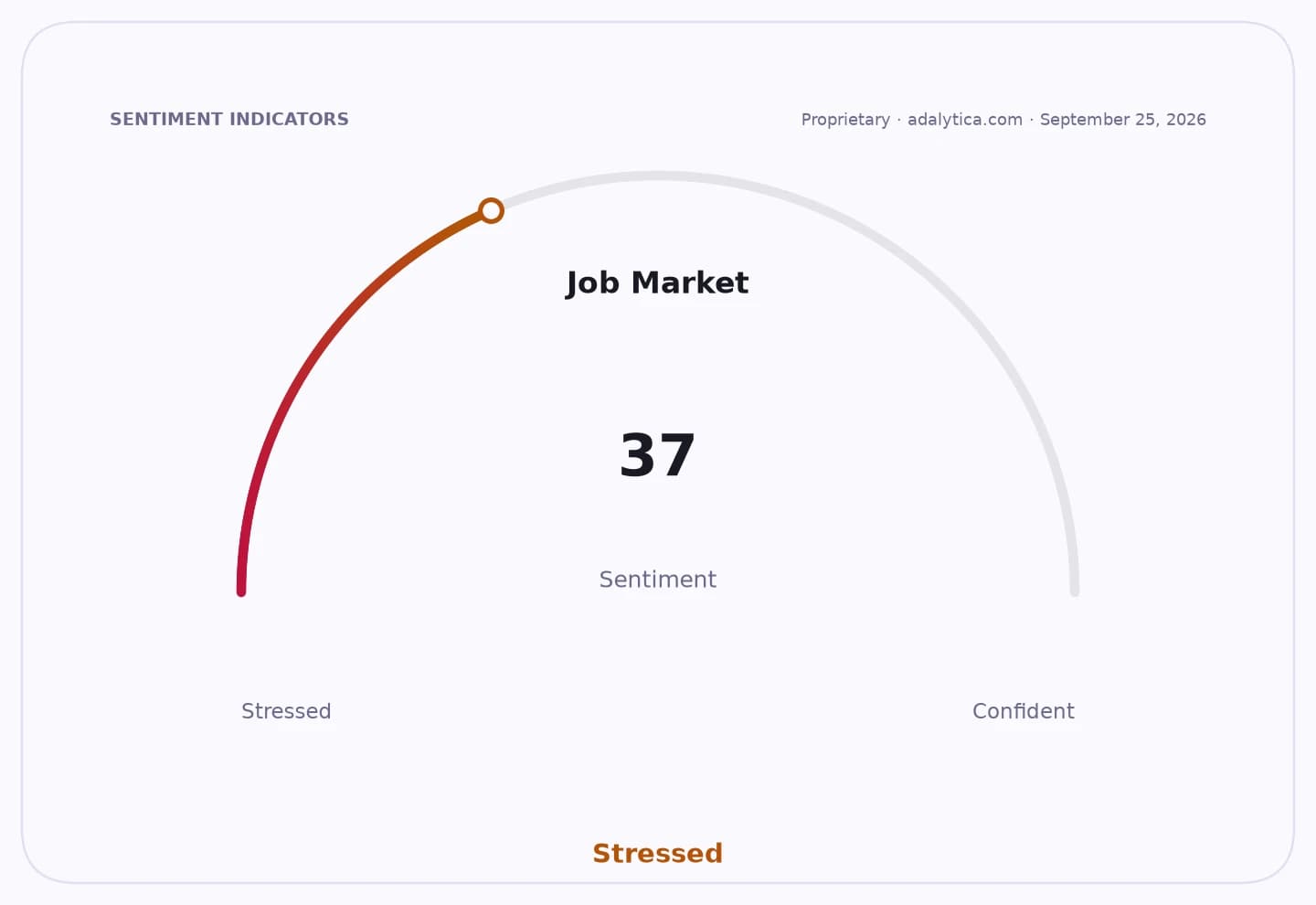
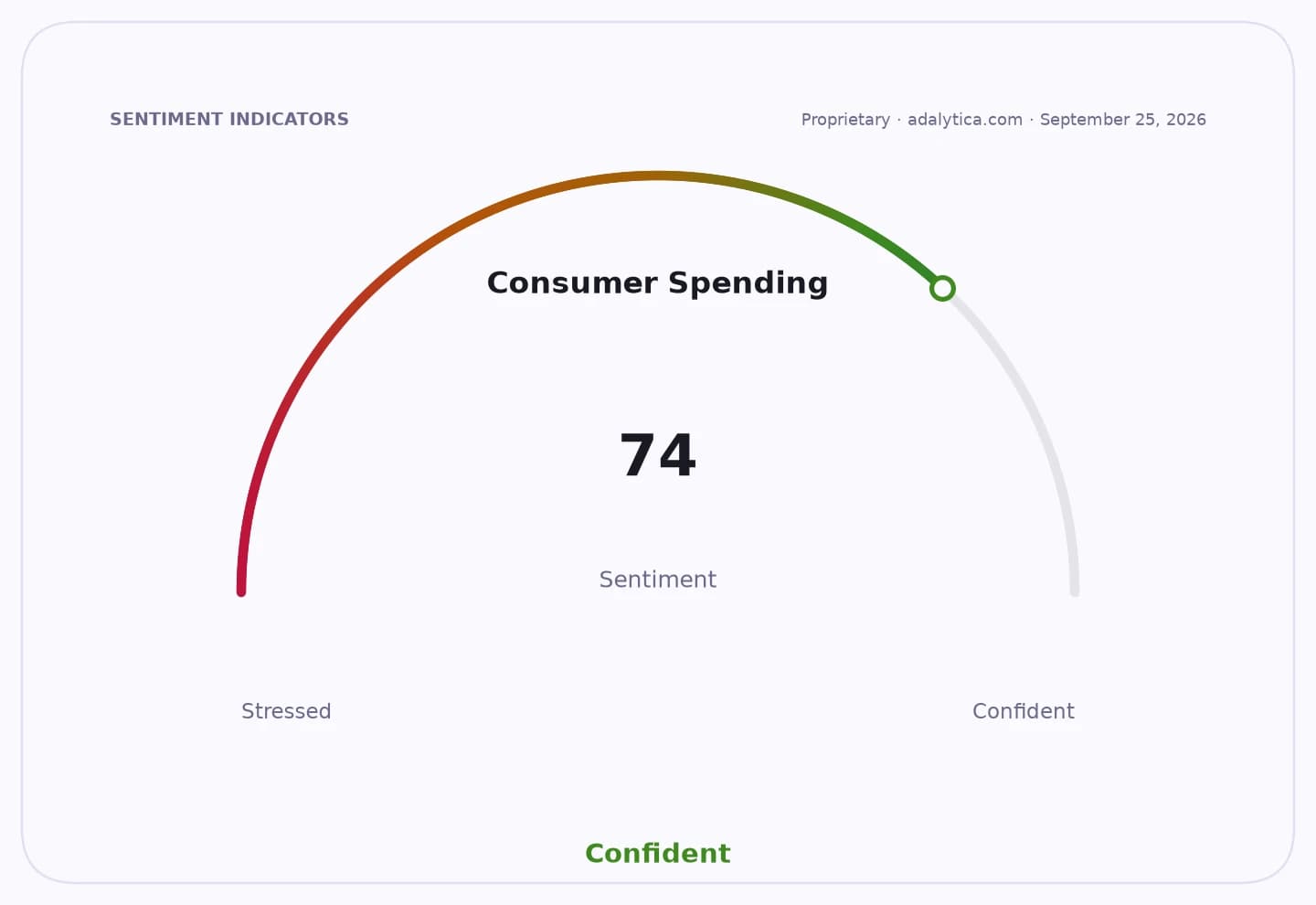
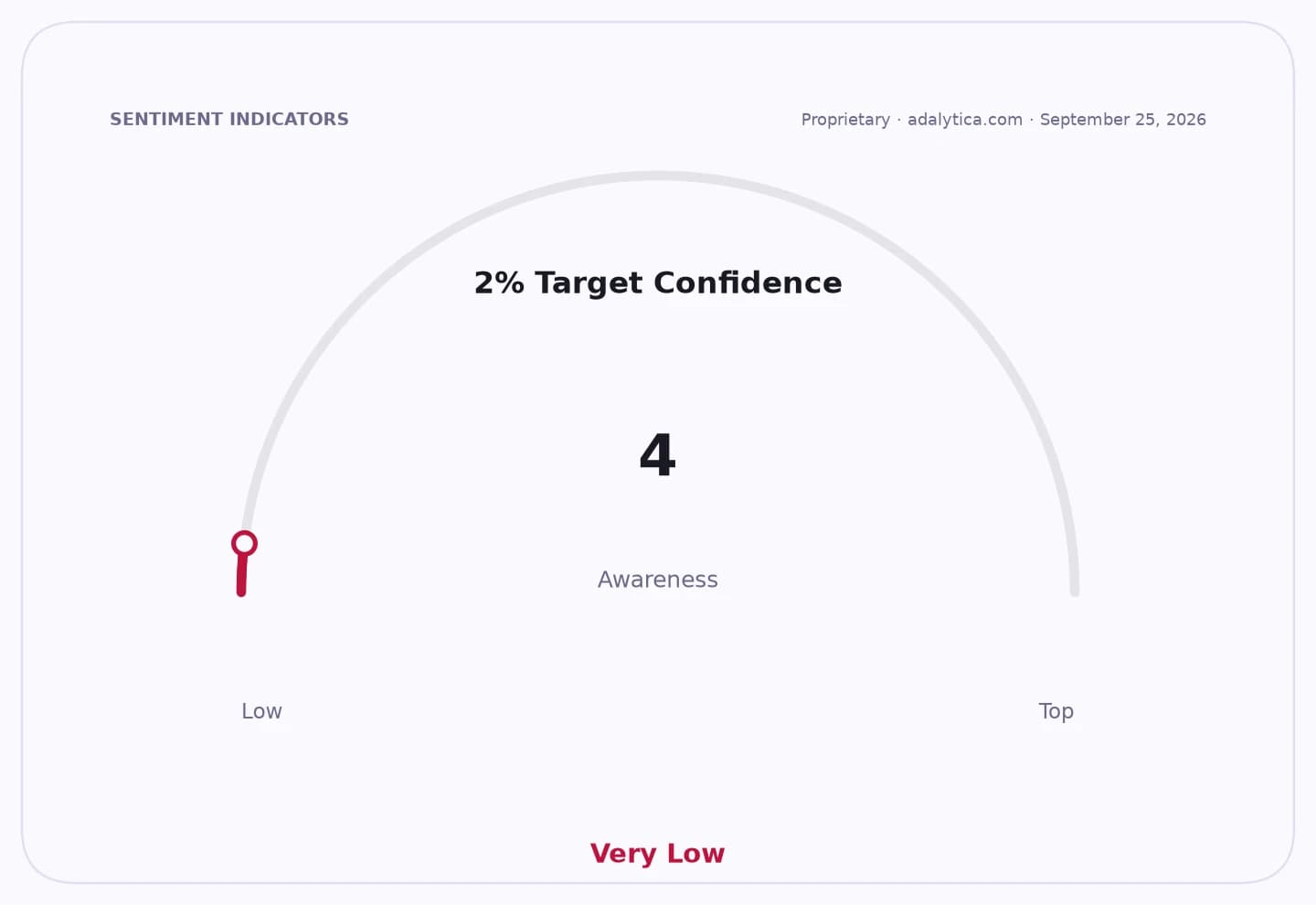
Sentiment IndicatorsⓘProprietary · adalytica.com · July 28, 2026
This is a snapshot — live sentiment, awareness and momentum for 130+ markets update continuously in the dashboard.Open AlphaPulse
The shift is also relevant for investors because it widens the gap between regulated winners and compliance-heavy losers. Coinbase Global, which has been under pressure in recent trading, could benefit if tougher rules force more activity toward licensed venues, while unlicensed or lightly regulated operators face higher legal and operational risk.
That regulatory tone fits a broader global clampdown on crypto misconduct. US authorities are seeking forfeiture of $25 million in cryptocurrency tied to fraud investigations, while Vietnam has introduced fines for investors trading on unlicensed exchanges, underscoring how regulators are moving to shut down unauthorized channels rather than tolerate them.
The market backdrop shows the sector is already vulnerable to policy shocks. Coinbase shares have fallen sharply from above $375 in early October to $167.49 on July 27, while MicroStrategy has dropped to $98.65 from more than $359 in October, and MARA has slid to $11.77 from $22.84, reflecting the strain on crypto-linked names as enforcement risks rise and momentum fades.
Technical indicators on those stocks reinforce the cautious tone. Coinbase’s 50-day moving average sits above the latest close, while its RSI has recovered to 52.7 from oversold levels; MicroStrategy’s shares remain far below both the 50-day and 200-day moving averages even as RSI has improved to 51.6; MARA is still trading below its 50-day average, with its RSI at 48.0, suggesting the rebound is fragile.
Adalytica’s Treasury Purchase Sentiment Outlook is at 4, or “Extreme Fear,” highlighting how sensitive the market remains to regulatory pressure. For investors, the key question now is whether the crackdown expands into tougher licensing enforcement, higher penalties or forced platform closures, which would likely favour regulated exchanges and weigh further on the broader crypto trading complex.
| Entity | Gains | Losses |
|---|---|---|
| Regulated exchanges | ▲More compliant flows | ▼Less competition from shadow venues |
| Unlicensed crypto operators | ▲Little to gain | ▼Licensing risk, fines, closures |
| Investors | ▲Better oversight | ▼Fewer trading options |
| COIN / Coinbase | ▲Potential market-share gains | ▼Near-term regulatory uncertainty |