A federal investigation into a U.S. crypto mine’s links to China is widening to examine the role of a lobbyist and a donor to billionaire Ken Griffin, raising the political and regulatory stakes for an industry already under scrutiny over foreign ownership, energy use and national security.
Crypto Miners Face Wider U.S. Probe Over China Ties
The probe matters because crypto mining has become more than a digital-asset business; it is now entangled with U.S. efforts to police foreign influence in critical infrastructure and technology. Any finding that a politically connected intermediary helped advance a project with China ties could intensify scrutiny of similar deals and make approvals harder for miners seeking power access, local permits and federal comfort.
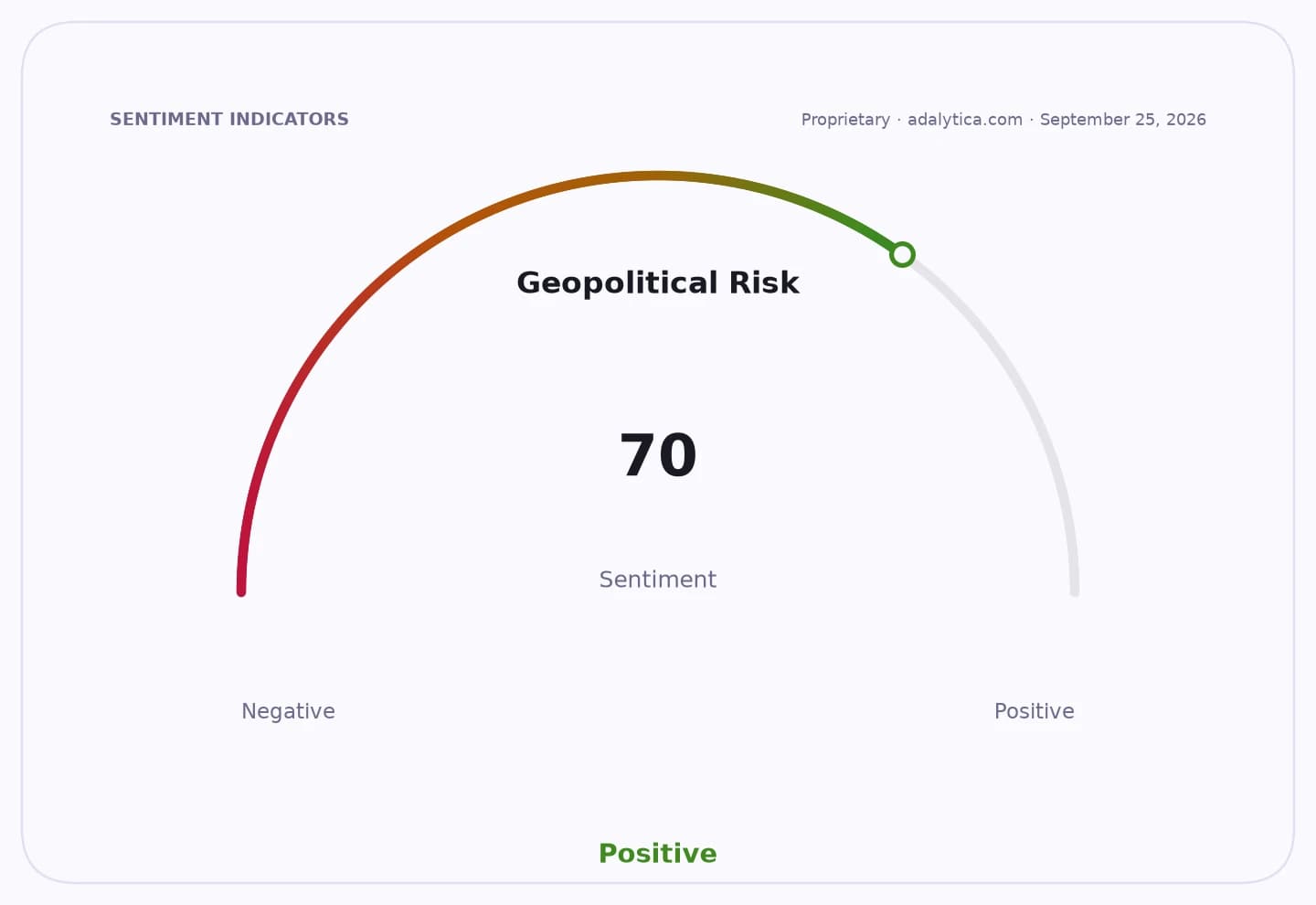
Sentiment IndicatorsⓘProprietary · adalytica.com · August 2, 2026
This is a snapshot — live sentiment, awareness and momentum for 130+ markets update continuously in the dashboard.Open AlphaPulse
For investors, the issue goes beyond one site. Crypto miners trade heavily on expectations for regulatory tolerance, grid access and uninterrupted operations, and they often move in tandem with bitcoin. A China-linked investigation adds headline risk to a sector where balance sheets are sensitive to financing conditions and where operating leverage can swing shares sharply on policy news.
The backdrop is a volatile market for the biggest publicly traded miners. MARA Holdings ended July 31 at $11.32, down from $22.84 in mid-October and far below the $20.73 peak in that stretch, while Riot Platforms closed at $20.17 on July 31 after a $22.12 finish the prior day and a $28.25 high in June. Coinbase, meanwhile, finished July 31 at $146.26, underscoring how crypto-related stocks have already been punished by shifting risk appetite and uneven trading.
Bitcoin itself has softened, with Adalytica’s Bitcoin Fear & Greed Index at 32, in neutral territory, after a 47-point drop over seven days and a 34-point slide over 30 days. That backdrop leaves less room for investors to absorb regulatory surprises, especially if the probe broadens or prompts tighter rules on mining infrastructure, ownership disclosure or lobbying activity.
The investigation also lands as Washington weighs broader crypto market reform, including SEC proposals for exchanges and tokens, which could help legitimize parts of the sector while making compliance expectations more explicit. For miners and exchanges alike, the message is the same: the next phase of growth depends less on speculation and more on whether they can clear political, legal and national-security hurdles.
| Entity | Gains | Losses |
|---|---|---|
| U.S. regulators | ▲More oversight leverage | ▼Less tolerance for opaque deals |
| China-linked crypto projects | ▲N/A | ▼Higher scrutiny, slower approvals |
| Lobbyists and political donors | ▲N/A | ▼Reputational and legal risk |
| Crypto miners | ▲Clearer rules if reforms advance | ▼Permitting, financing and headline risk |