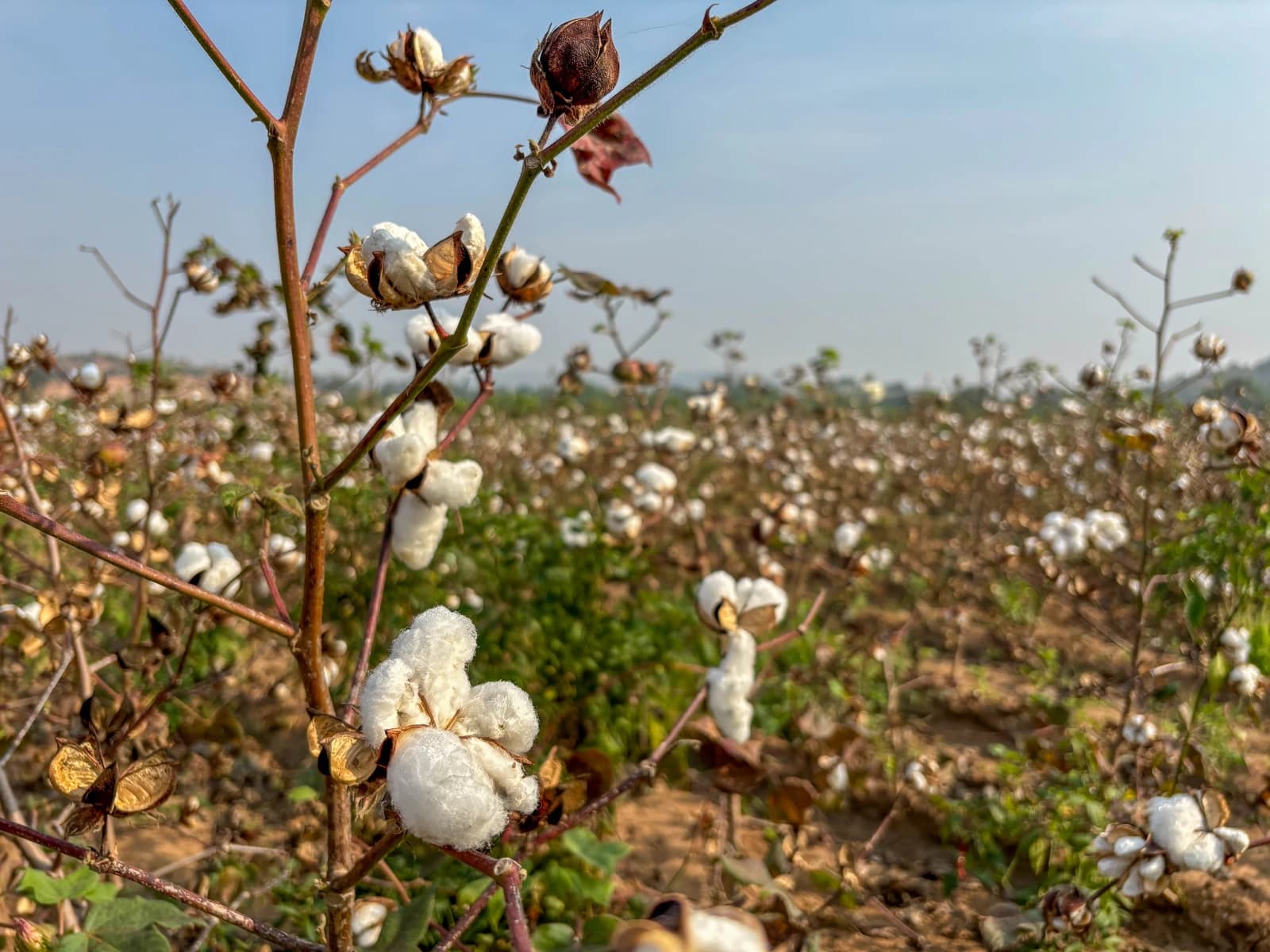
Crystal Crop Protection’s launch of six new crop-protection products for paddy, soybean, maize and cotton matters because it comes at a moment when farmers are facing tighter margins, pest pressure and weather volatility that are reshaping demand for agri-inputs.
Crystal Crop Protection Expands Amid Farm Stress
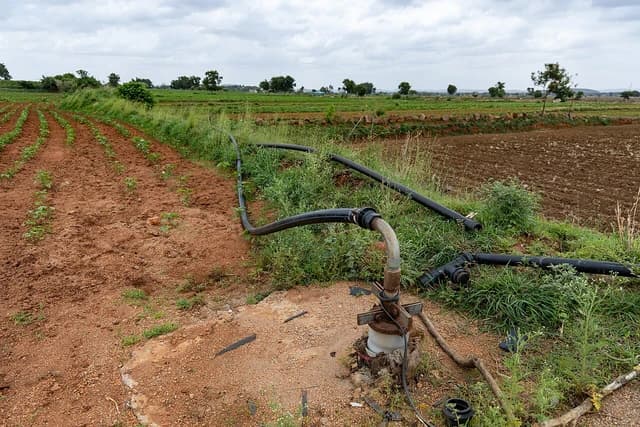
The launch is economically significant because crop protection spending tends to rise when growers are trying to preserve output rather than expand acreage. That is especially relevant this season as authorities warn of Tuta absoluta, one of the most damaging pests in tomato cultivation, while parts of India’s farm belt face rainfall deficits that threaten Kharif output. In that setting, products that help stabilize yields are not just incremental additions to a company portfolio; they are part of the operating toolkit farmers use to protect cash income.
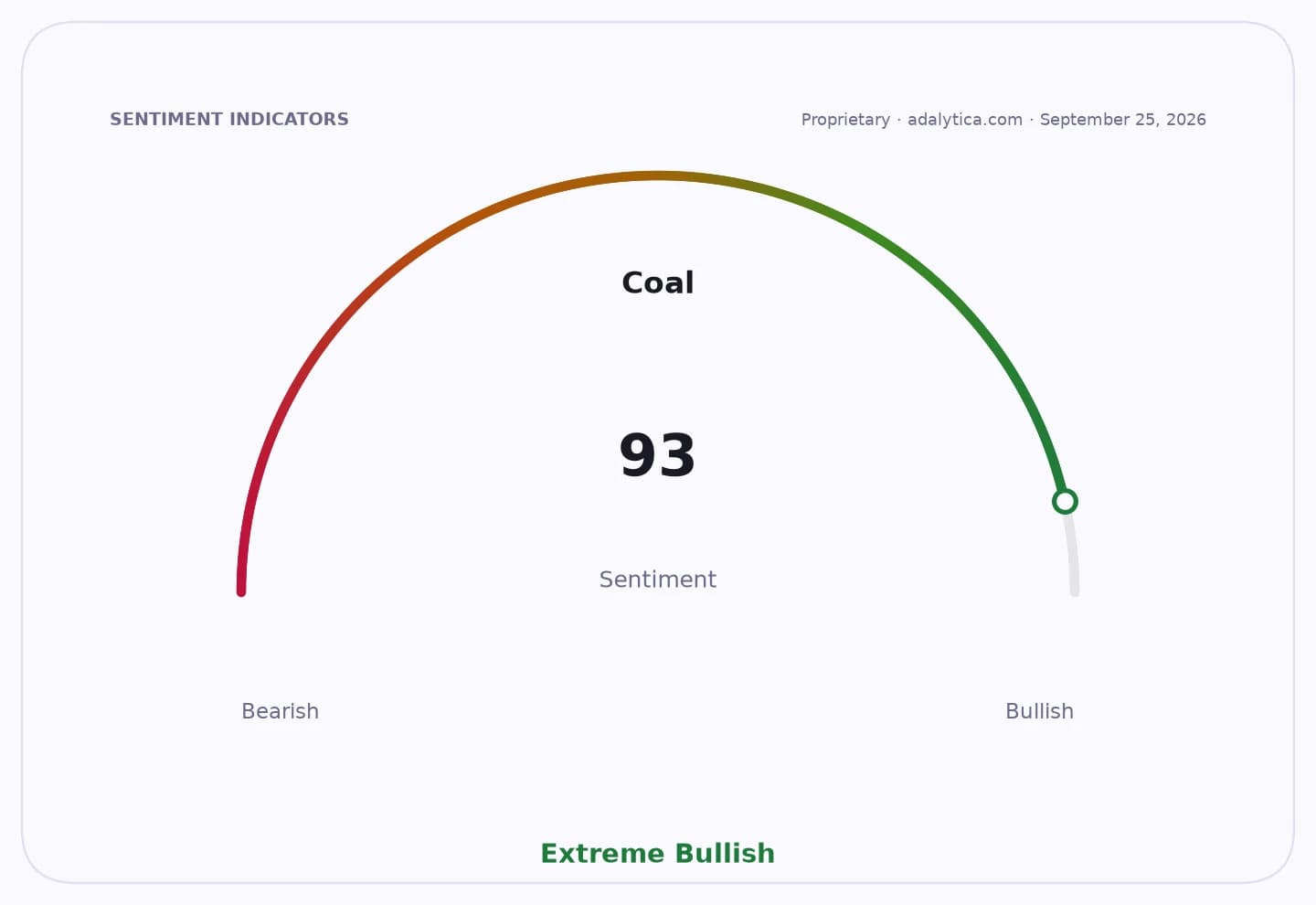
Sentiment IndicatorsⓘProprietary · adalytica.com · July 15, 2026
This is a snapshot — live sentiment, awareness and momentum for 130+ markets update continuously in the dashboard.Open AlphaPulse
For Crystal Crop Protection, the move is also a signal that the domestic agri-input market remains competitive, with companies seeking share by broadening their product slate across major crops. Paddy, soybean, maize and cotton account for a large share of Indian farm spending, so a launch into those categories suggests the company is targeting the biggest addressable demand pools rather than niche segments. That could help support volumes if farmers continue to prioritize crop defense over discretionary purchases.
The backdrop is mixed for the wider agri-input trade. Improving U.S. crop conditions have pushed Chicago soybean and corn prices lower, which can soften global sentiment around row-crop economics, while recent market data show investors remain cautious on the broader equity backdrop. At the same time, the stress in Indian growing regions points to a more immediate need for protection products, especially if rainfall shortfalls persist and pest outbreaks spread. That divergence matters: weaker global grain prices can squeeze farm incomes, but localized crop damage often boosts demand for pest control, fungicides and herbicides.
Investors in crop-input companies will read the launch as a sign of product pipeline execution rather than a single-event catalyst. The key question is whether Crystal can convert the new lineup into sustained channel uptake and pricing power, or whether competition forces it to trade volume for margin. For growers, the near-term issue is simpler: if pest pressure and weather uncertainty intensify, the ability to protect yields becomes a higher priority than ever.
What to watch next is whether the launch translates into stronger seasonal ordering, especially in India’s key kharif crops, and whether broader weather conditions or government compensation measures alter farmer buying patterns. If crop stress deepens, the beneficiaries are likely to be input suppliers with the broadest field coverage and fastest product rollout.
| Entity | Gains | Losses |
|---|---|---|
| Crystal Crop Protection | ▲Wider product reach | ▼Higher competitive pressure |
| Farmers | ▲More yield-protection tools | ▼Higher input costs |
| Crop input rivals | ▲Category demand growth | ▼Share dilution |
| Grain buyers / consumers | ▲Potential supply stabilization | ▼Less benefit from crop losses |