Trading on the Colombo Stock Exchange remains subdued as investors stay reluctant to commit fresh money, leaving market turnover thin and reinforcing a broader pattern of caution across equities.
CSE turnover stays thin amid cautious sentiment
The lack of participation matters because low turnover tends to mute price discovery, widen the gap between buyers and sellers and make the market more vulnerable to sudden swings when orders do come through. For Sri Lanka’s equity market, it also signals that households and institutions are still prioritizing capital preservation over risk-taking, a sign the rally is not yet being powered by broad-based demand.
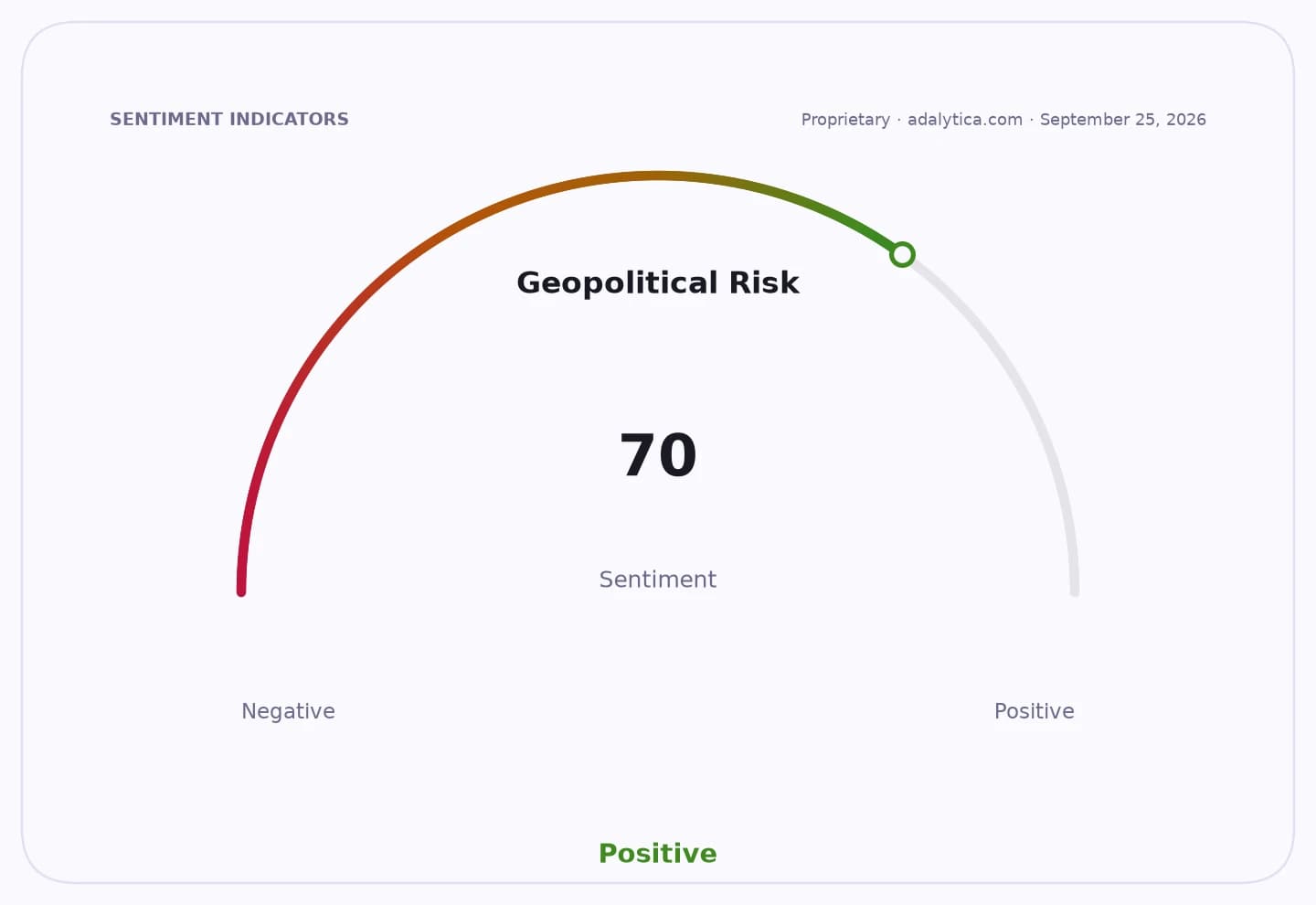
Sentiment IndicatorsⓘProprietary · adalytica.com · July 18, 2026
This is a snapshot — live sentiment, awareness and momentum for 130+ markets update continuously in the dashboard.Open AlphaPulse
The tone across global risk assets is mixed rather than outright bearish. Adalytica’s S&P 500 trade signals show neutral sentiment at 64, with awareness at 38, while the U.S. dollar signal also sits in neutral territory at 50, suggesting global investors are not aggressively repositioning into or out of risk. That fits with a market environment where traders are selective, liquidity is patchy and local participation on the CSE remains weak.
External uncertainty is adding to the hesitation. The market backdrop includes geopolitical tension in the Middle East, which has helped keep regional sentiment cautious even as some large indices trade near record territory. In that setting, smaller frontier and emerging markets such as Sri Lanka tend to see thinner activity first, as investors wait for clearer macro signals, steadier foreign flows and more conviction around earnings and rates.
For investors, the immediate implication is that the CSE may remain rangebound until turnover improves and a stronger catalyst emerges, whether from policy support, better corporate results or renewed foreign buying. Until then, low liquidity is likely to favor patient holders while making short-term trading harder and more volatile.
| Entity | Gains | Losses |
|---|---|---|
| Cash-rich investors | ▲Better entry points | ▼Misses near-term upside |
| Existing long holders | ▲Less crowding | ▼Lower liquidity |
| Brokers with market share | ▲Commission from scarce trades | ▼Weak overall turnover |
| Market makers/sellers | ▲Price flexibility | ▼Wider bid-ask gaps |