Czech producer prices moved in opposite directions in July, with agriculture cheaper while industrial prices rose, underscoring a split in the cost outlook that could keep pressure on margins even as food inflation eases.
Czech producer prices split in July as industry rises
The divergence matters because producer prices feed through to consumer inflation, corporate pricing power and the pace of monetary easing. A drop in farm-gate prices can eventually cool food costs, but higher industrial prices point to firmer input costs for manufacturers, energy-intensive firms and exporters at a time when demand remains uneven.
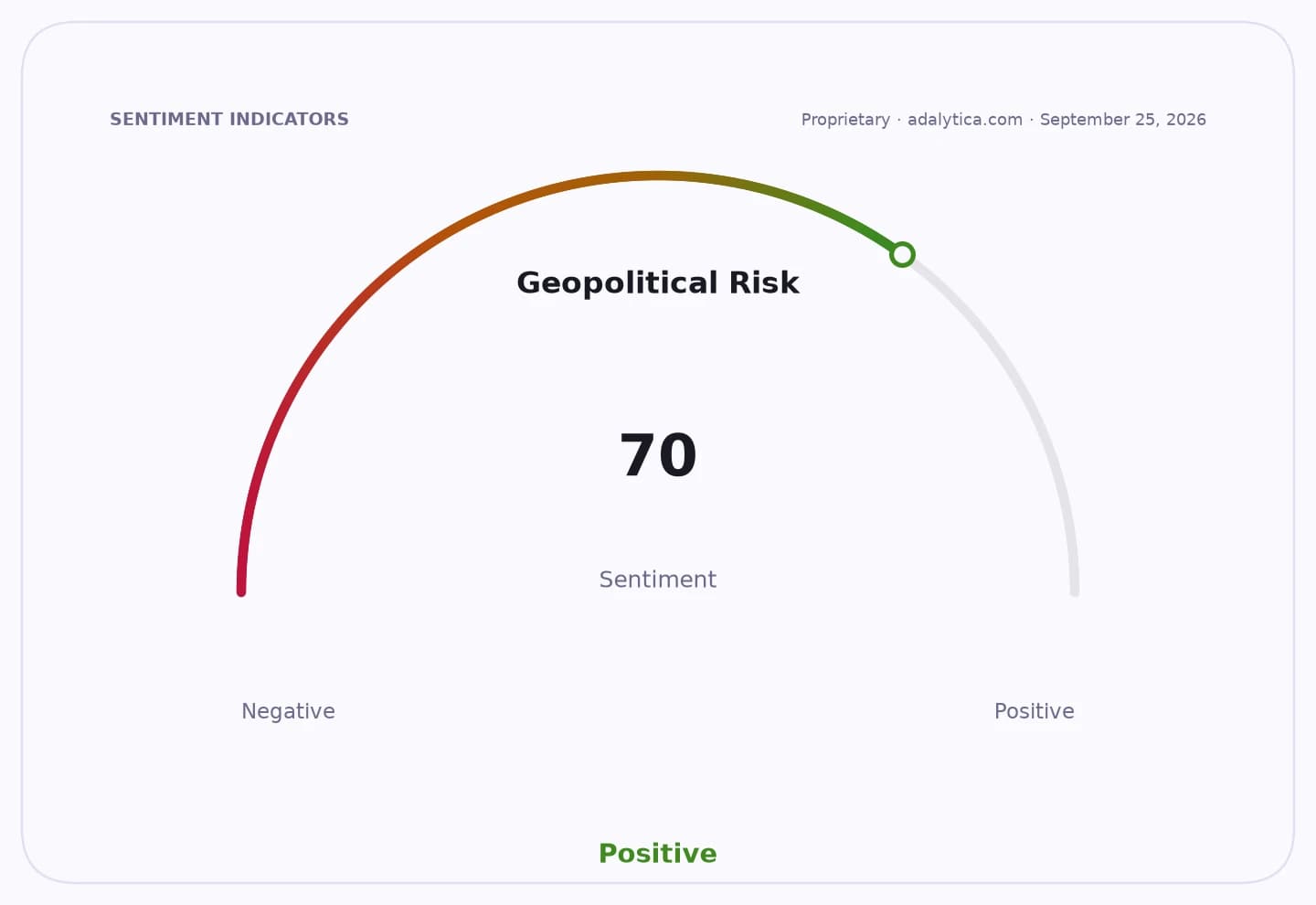
Sentiment IndicatorsⓘProprietary · adalytica.com · August 17, 2026
This is a snapshot — live sentiment, awareness and momentum for 130+ markets update continuously in the dashboard.Open AlphaPulse
For investors, the mix is important because it suggests the inflation path is not cleanly one-way. Lower agricultural prices are constructive for food producers and households, but rising industrial prices can squeeze margins for industrial groups and keep the Czech National Bank cautious about cutting rates too quickly.
The split also fits a broader commodity backdrop in which energy and raw-material swings are still driving price volatility. Reuters’ market context pointed to firmer oil and natural-gas prices globally, alongside higher petroleum-product inflation, reinforcing the risk that goods-price relief in one part of the economy may be offset elsewhere.
In Czech equities, the move matters most for companies exposed to input costs, logistics and consumer staples. Stocks such as Kofola, which sells drinks into the domestic consumer market, may benefit if agricultural and food inputs stay softer, while industrial names and utility-linked businesses remain more exposed to persistent producer-price pressure.
Technical signals on Kofola.PR show the stock trading near 509 crowns, just below its recent Bollinger Band upper range, with the 50-day moving average around 501 crowns and the 200-day average near 472 crowns. That leaves the shares firm, but not far from a zone where investors may look for fresh inflation data and margin guidance for the next catalyst.
| Entity | Gains | Losses |
|---|---|---|
| Households | ▲Slower food inflation | ▼Limited relief from industrial costs |
| Food and beverage producers | ▲Lower agricultural input costs | ▼Margin gains may be capped by industrial inflation |
| Manufacturers | ▲None from farm prices | ▼Higher input and production costs |
| Czech National Bank | ▲More room to watch inflation easing | ▼Harder path to faster rate cuts |