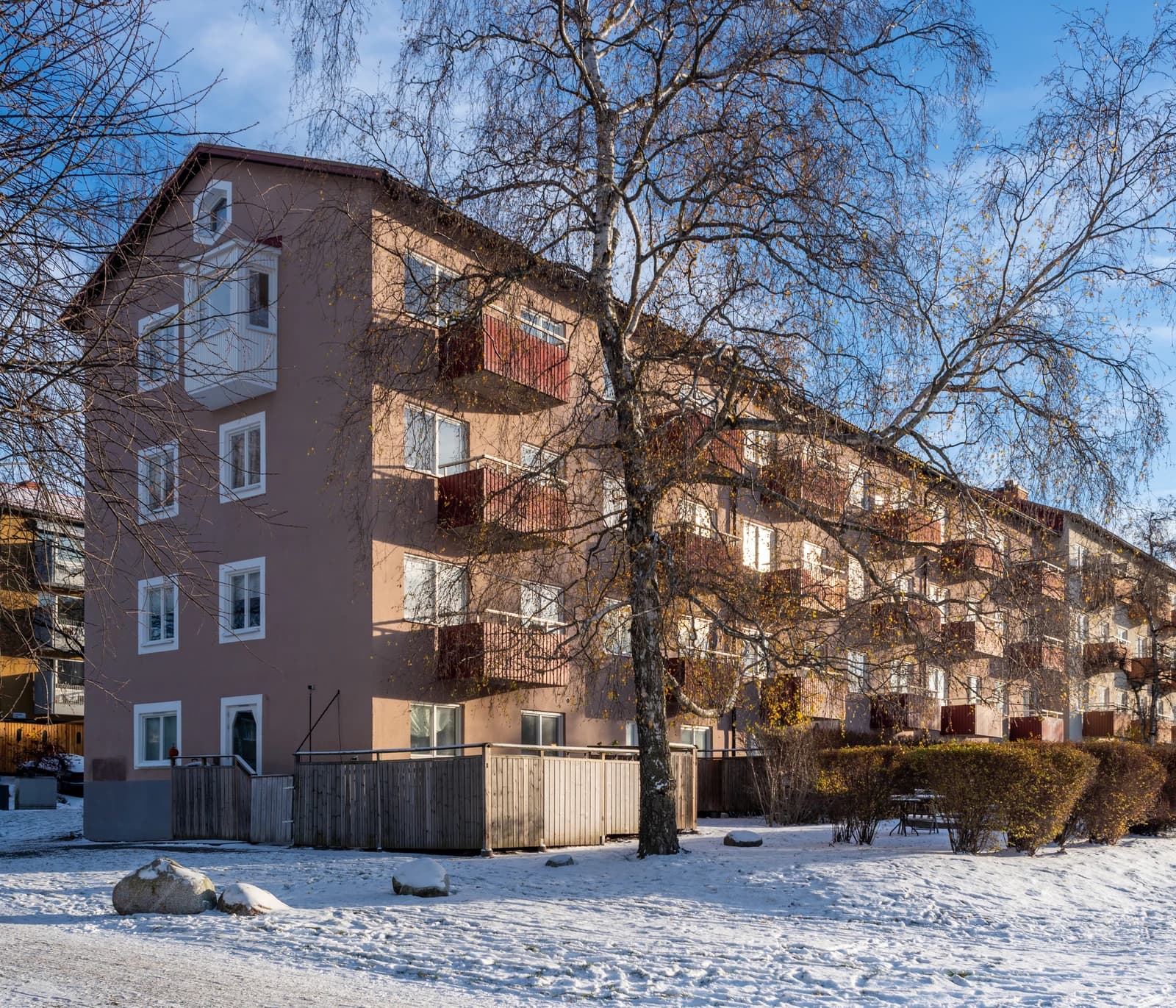
Da Nang has deployed 44 social housing projects with nearly 40,000 units under development, a scale-up that could help narrow one of Vietnam’s most persistent urban supply gaps and support demand in the country’s construction and building materials sectors.
Da Nang housing push boosts Vietnam construction demand
The push matters because social housing is now a key pressure valve for affordability in fast-growing Vietnamese cities, where tight supply and rising rents have kept home ownership out of reach for many workers. More public and subsidized units can also help stabilize labor markets by making it easier for industrial zones, service employers and public-sector staff to retain employees in high-cost urban centers.
For investors, the headline is less about one city and more about policy direction: a larger pipeline of affordable homes can shift capital toward developers, contractors, cement, steel and housing-related lenders tied to Vietnam’s urbanization theme. It also underscores that the government is treating housing not just as a social issue but as an economic one, with construction activity feeding directly into jobs, local spending and fixed-asset investment.
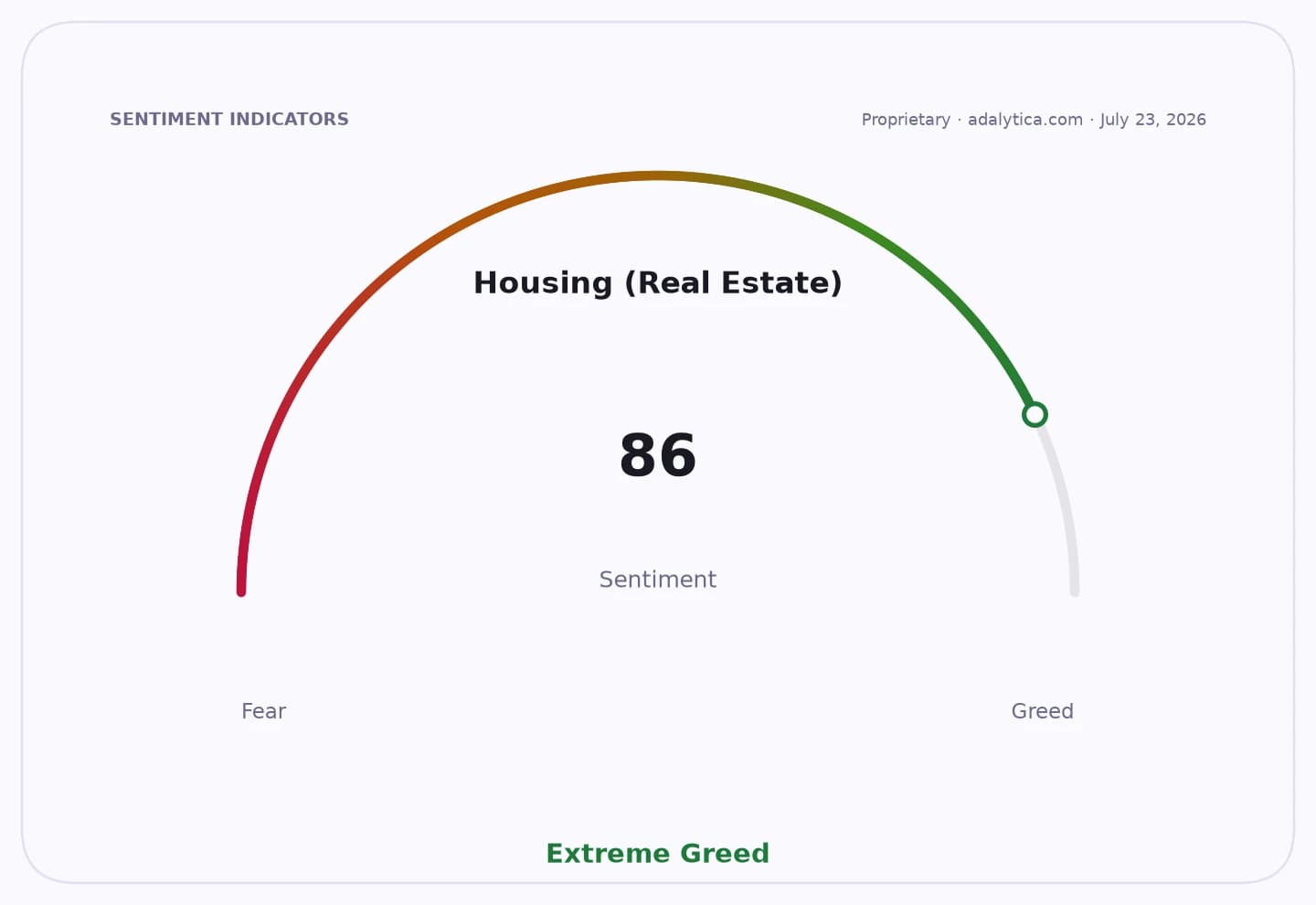
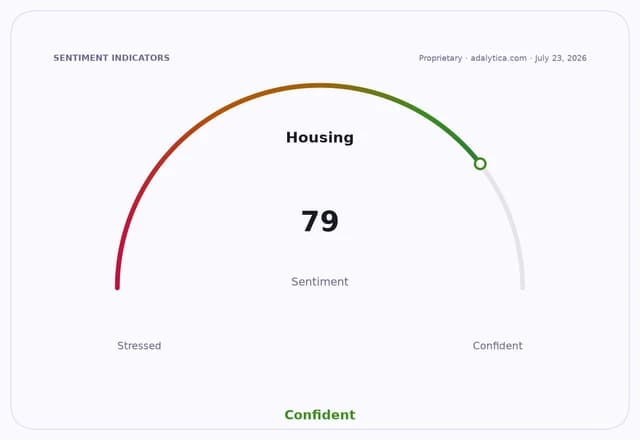
The timing aligns with a broader housing backdrop that remains mixed. In the U.S., housing demand has been pressured by affordability constraints and cautious consumer sentiment, while technical trading in homebuilder names such as LGIH Homes has been volatile, with the stock recently holding above its 50-day moving average but still below its 200-day average, reflecting a market that is still balancing rate pressure against a possible policy-supported demand floor. Adalytica’s Housing Fear & Greed Index sits at 86, or “Extreme Greed,” while its housing-and-rent inflation gauge reads 79, suggesting investors remain highly sensitive to any development that could alter supply or pricing dynamics.
In Vietnam, the takeaway is that Da Nang’s project rollout could become a template for other cities if financing, land access and execution keep pace. The next catalysts are whether the units translate into completed deliveries on schedule and whether the policy support expands beyond Da Nang to other urban centers facing similar affordability strains.
| Entity | Gains | Losses |
|---|---|---|
| Da Nang government | ▲Affordability gains | ▼Execution risk |
| Low- and middle-income buyers | ▲More housing supply | ▼Longer wait if delays |
| Developers/contractors | ▲Project pipeline | ▼Margin pressure |
| Existing landlords | ▲Demand may soften | ▼Rental pricing power |