A proposed public debt overhaul is gaining traction because it offers the rare combination markets want in a stressed sovereign: lower near-term debt service for borrowers and a more orderly recovery path for lenders.
Debt Overhaul Signals Stress and Selective Credit Risk
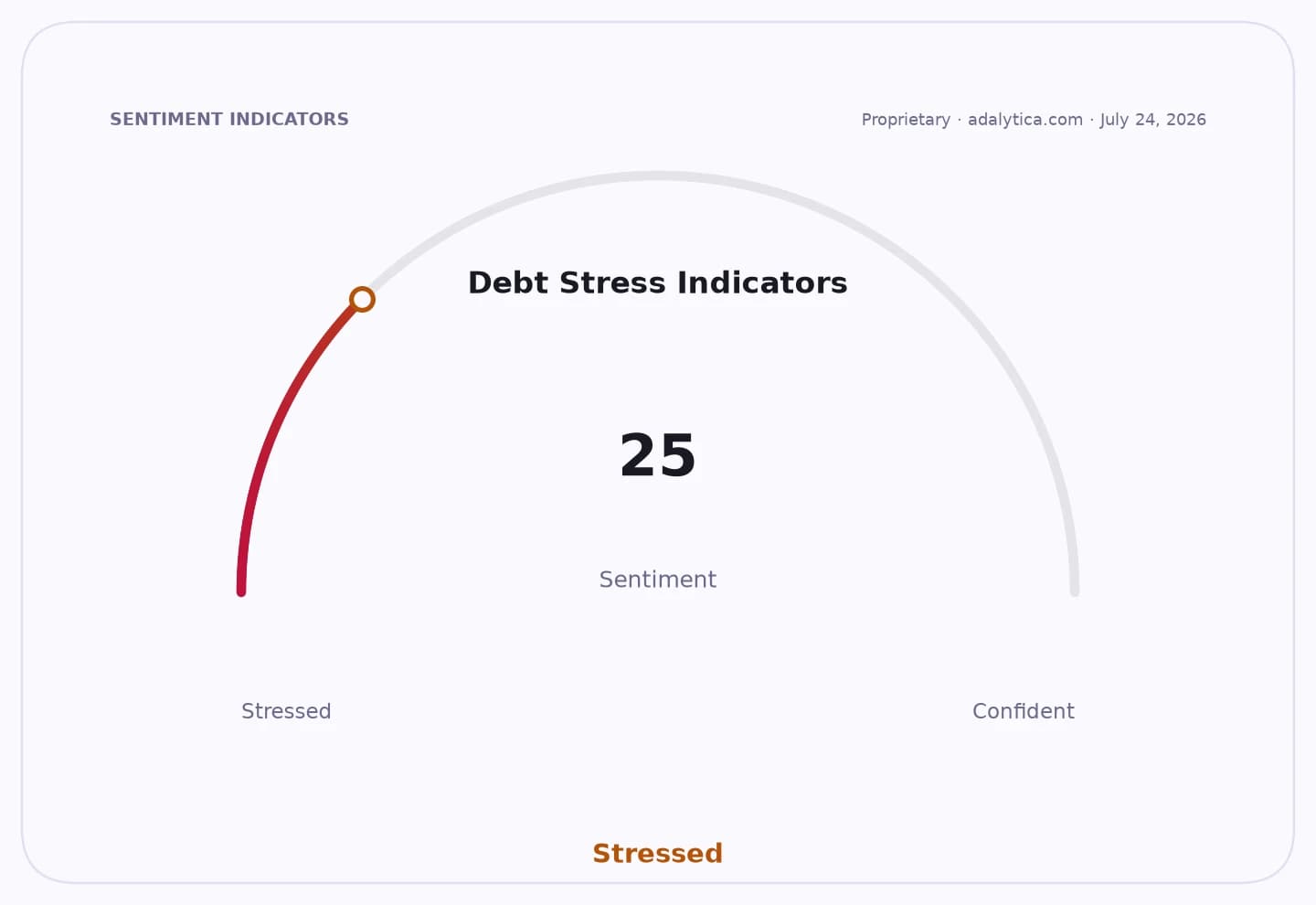
That is the economic logic behind the bank’s “win-win” framing. If a debt burden is getting in the way of growth, refinancing alone may only delay the problem. A broader restructuring can reduce rollover risk, ease cash-flow pressure and preserve the borrower’s capacity to meet obligations over time. For investors, the question is whether the proposal meaningfully improves the probability of eventual repayment or merely pushes losses further out the curve.
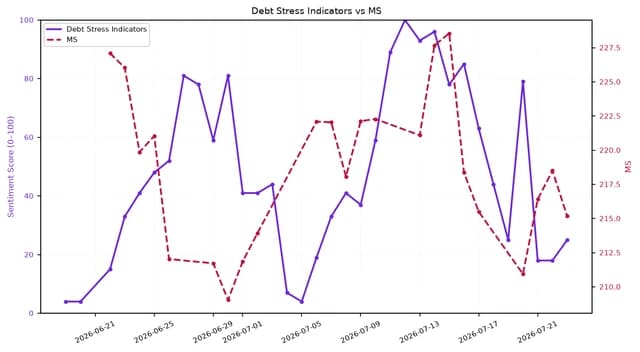
The backdrop is a market that has become more cautious about public debt. The 10-year U.S. Treasury yield has climbed to 4.688% in the latest forecast, while the fed funds rate is seen near 3.627%, leaving borrowing costs elevated by recent standards. High-yield credit stress remains contained but not benign, with the ICE BofA high-yield spread around 2.67 percentage points. In that environment, any sign that governments or quasi-sovereign borrowers may need to rework liabilities is enough to make lenders more selective and force investors to demand better compensation for duration and credit risk.
Adalytica’s U.S. Treasury bonds trade signal has fallen to “Extreme Fear,” underscoring the market’s reluctance to own long-duration sovereign paper even as awareness remains high. At the same time, the U.S. dollar signal has slipped to neutral territory, suggesting the latest move is less about a broad macro rush into cash than about a more targeted reassessment of debt exposure. The mix points to a market that is still functioning, but one in which financing terms are being scrutinized more aggressively.

That matters for the banking and asset-management complex as much as for the sovereign borrower. JPMorgan Chase and Morgan Stanley have both been active in recent debt-related capital markets activity, and their shares have held up well, with JPMorgan near recent highs and Morgan Stanley trading above its 50-day and 200-day moving averages. But a policy shift toward debt overhauls can alter underwriting assumptions, trading opportunities and fee pools across syndicates, restructurings and liability-management mandates. Banks may benefit from advisory work and refinancing volumes, but they also face higher reputational and credit risk if restructurings become more common.
The investor divide is straightforward. Long-term creditors and holders of dated government paper may prefer a negotiated restructuring that improves sustainability and avoids disorderly default. Short-term lenders and fast-money accounts may see dilution, maturity extension or coupon cuts as a direct hit. The same dynamic applies to governments: a cleaner balance sheet can support growth and tax collection, but only if the overhaul is credible enough to restore confidence rather than signal desperation.
The broader narrative is not that debt relief is suddenly attractive in itself. It is that high rates, tighter spreads and thinner policy tolerance are forcing a reset in how public debt is managed. If the proposal can align fiscal breathing room with lender recoveries, it may become a template. If not, it will reinforce the market’s view that the cost of borrowing is rising faster than the willingness to absorb risk.
| Entity | Gains | Losses |
|---|---|---|
| Borrowing government | ▲Lower debt burden | ▼Near-term market stigma |
| Existing creditors | ▲Higher recovery odds | ▼Restructuring haircuts |
| Banks/advisers | ▲Fees and mandates | ▼Credit and execution risk |
| Long-duration bondholders | ▲Orderly process | ▼Coupon and maturity concessions |