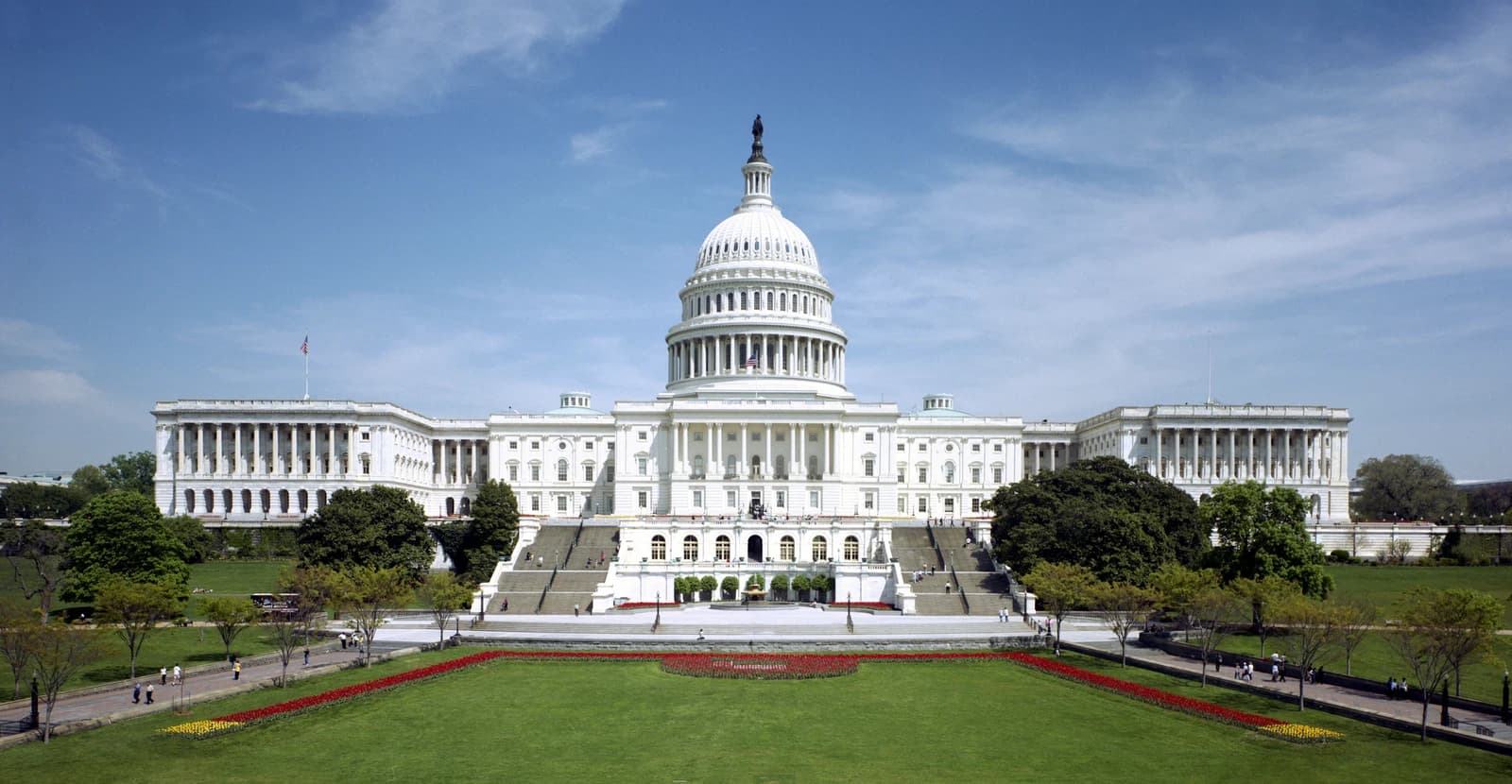
The House’s passage of a defense policy bill built around President Donald Trump’s request for $1.15 trillion in Pentagon spending signals a major fiscal shift that could extend the U.S. defense boom and keep investors rotating into military contractors.
Defense Bill Extends Contractor Rally
The scale matters because it would push defense outlays to a new high and reinforce a multi-year rearmament cycle at a time when governments from Europe to Asia are also lifting military budgets. For the U.S. economy, that means more federal demand flowing into shipbuilding, missile defense, munitions, space systems and next-generation aircraft, with knock-on effects for industrial production, skilled labor and supplier chains. For markets, it supports a sector where earnings visibility is unusually strong compared with the broader tape.
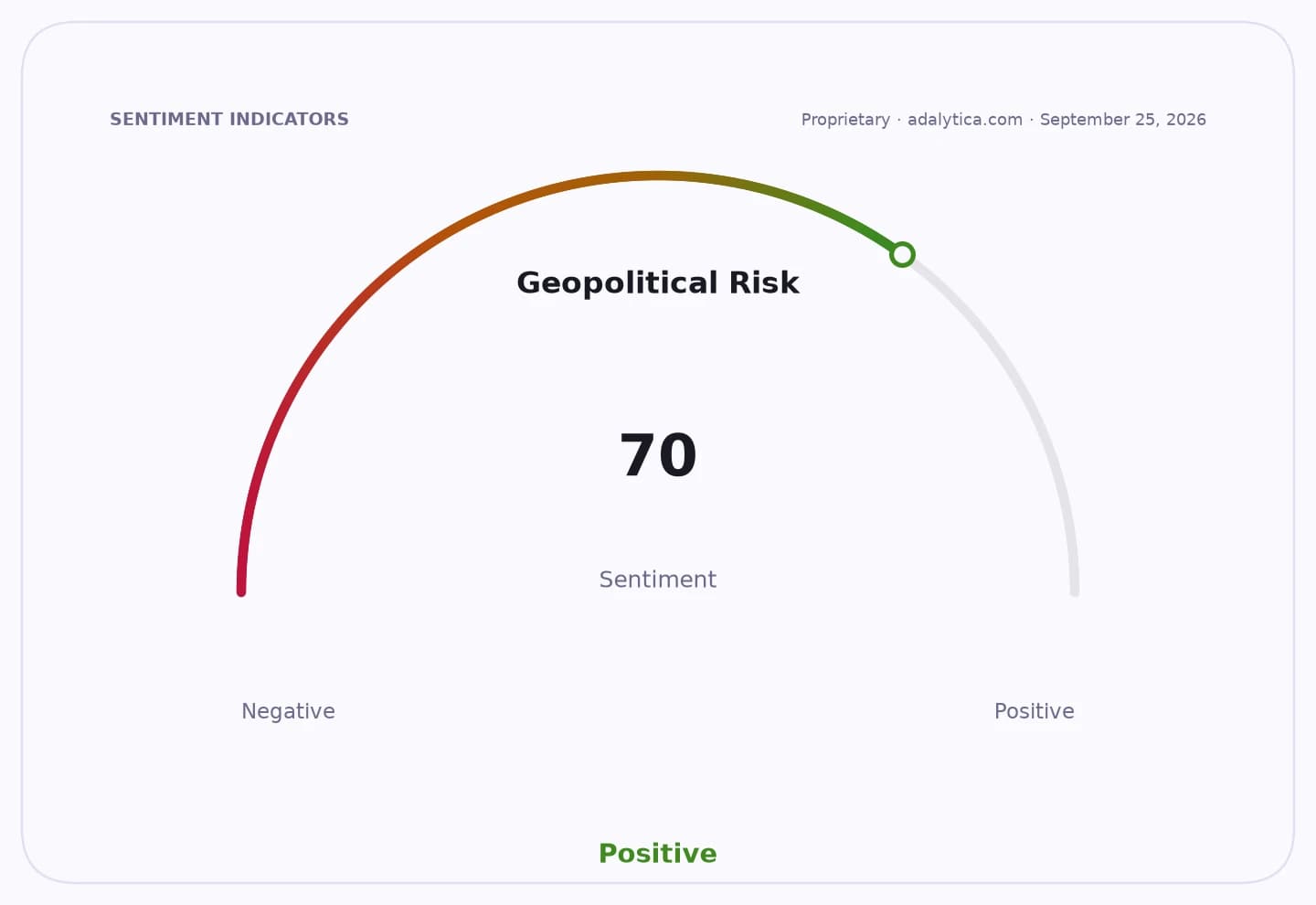
Sentiment IndicatorsⓘProprietary · adalytica.com · July 22, 2026
This is a snapshot — live sentiment, awareness and momentum for 130+ markets update continuously in the dashboard.Open AlphaPulse

Lockheed Martin, Northrop Grumman and RTX are the clearest public-market beneficiaries. Their shares have already reflected that expectation: Lockheed has climbed from about $496 in October to more than $514 this week after trading as high as $672 in March, while Northrop has recovered to around $525 from a spring trough near $526 after peaking above $760 in March. RTX, meanwhile, has risen back toward $195 from a March low near $186, suggesting investors remain willing to pay for defense exposure even as the broader market has turned more cautious. Adalytica’s S&P 500 trade signals show neutral sentiment overall, underscoring how defense has become a relative haven rather than a broad market trade.
The bill also reinforces a point already visible in company filings: the Pentagon is moving money toward modernization, homeland missile defense and production capacity. Northrop said recent funding has supported defense modernization projects and missile defense capabilities, while Lockheed has pointed to a procurement-and-modernization push centered on munitions, missile defense, shipbuilding and F-35 purchases. That is important because these are not short-cycle spending programs; they can translate into multiyear backlog, higher utilization and better pricing power for prime contractors and select suppliers.
The bull case is that Congress will keep following through on the administration’s priorities, turning the request into appropriations and then into contract awards. That would help offset the pressure from procurement delays and execution risks that have periodically hit the group. The bear case is that the headline number may overstate near-term revenue, since authorization is not the same as funding and large programs often face political bargaining, timing slippage and cost scrutiny.
Still, the direction of travel is clear. With Italy, the UK and Japan also leaning toward higher defense budgets, the U.S. is not moving in isolation but as part of a broader geopolitical repricing of security risk. If the Senate and appropriators keep the bill on track, defense contractors should remain one of the few sectors where Washington, not the Fed, is the dominant growth catalyst.
| Entity | Gains | Losses |
|---|---|---|
| Lockheed Martin | ▲weapons and missile demand | ▼budget-delay risk |
| Northrop Grumman | ▲missile defense funding | ▼program timing uncertainty |
| RTX | ▲broader modernization spend | ▼margin pressure from execution |
| Taxpayers/budget hawks | ▲strategic readiness | ▼higher federal outlays |