Democratic criticism of President Donald Trump after the death of U.S. soldiers is sharpening the political backdrop for defense spending, but it is not yet overturning the market’s view that geopolitical strain still supports the sector.
Defense Stocks Stay Bid Despite Political Scrutiny
The immediate significance is political: soldier fatalities tend to force scrutiny of White House decision-making, military posture and the broader security environment. That can raise uncertainty around U.S. policy, but for investors in defense contractors it also underscores the persistence of the threat backdrop that has kept budgets, procurement and modernization high on the agenda.
Sentiment IndicatorsⓘProprietary · adalytica.com · July 19, 2026
This is a snapshot — live sentiment, awareness and momentum for 130+ markets update continuously in the dashboard.Open AlphaPulse
That tension is showing up in defense shares. Lockheed Martin, Northrop Grumman and RTX have all rallied sharply this year even as the market has wrestled with shifting policy signals. Lockheed’s shares have climbed from about $496 in October to $509 on the latest trading day after peaking above $670 in March, while Northrop is still well below its February highs after a deep spring selloff and RTX has recovered to about $194 from a March low near $186. The moves suggest investors continue to separate near-term political noise from longer-duration demand for missiles, aircraft, sensors and air-defense systems.
The market message is that the sector remains tied less to any single presidential controversy than to the structural need for rearmament. SEC filings from Lockheed, Northrop and RTX all point to heightened global tensions in Europe, the Middle East and the Pacific, and company managements have been positioning around a larger U.S. procurement cycle. For Lockheed, that includes missile defense and F-35 demand; for Northrop, bomber, space and strategic systems exposure; and for RTX, a mix of engines, missiles and air-defense content that benefits from replenishment orders and allied demand.
Presidential Approval vs LMTadalytica.com
Explore this data interactively — full history, time series and cross-market comparisons.Open AlphaPulse
Technically, the shares remain in different places in the cycle. Lockheed has slipped back toward its 50-day moving average after a strong run, with momentum indicators cooling from overbought levels. Northrop has been trying to rebuild after falling below its longer-term averages earlier this year, while RTX has been more stable, holding above both its 50-day and 200-day moving averages. That divergence suggests investors are still debating which contractors are best insulated if political scrutiny turns into slower decision-making or altered deployment priorities.
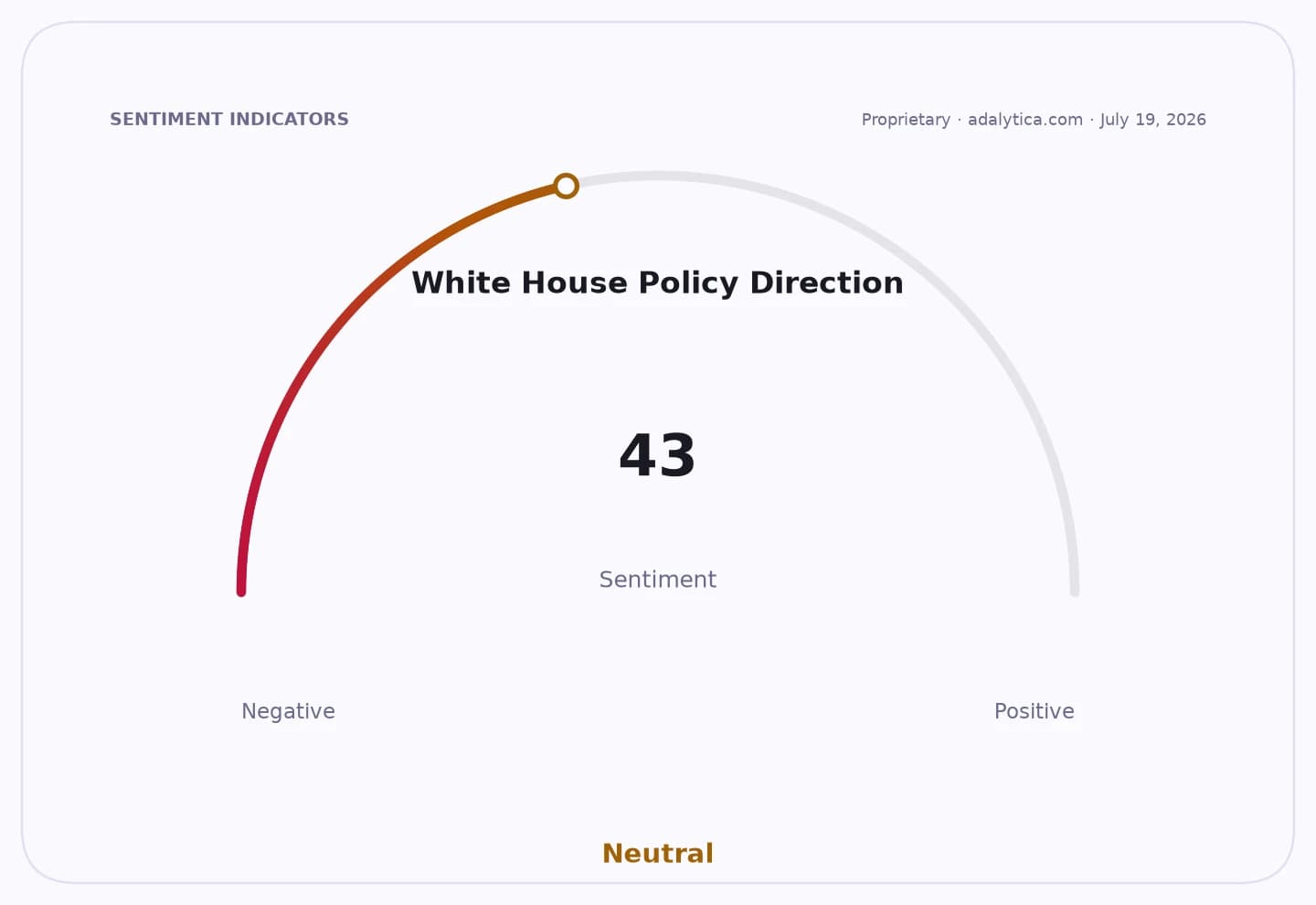
For the White House, the political cost of soldier deaths can be immediate even when the broader defense narrative remains constructive. Adalytica’s U.S. presidential approval sentiment gauge shows a surge to 82, in “Greed,” while its global stability sentiment sits at just 7, or “Extreme Fear,” reflecting how quickly geopolitical shocks can alter attention and risk appetite. For defense investors, that is usually a mixed signal: it raises the odds of policy volatility, but it also reinforces the case for sustained defense outlays and modernization.
The key question now is whether criticism of Trump develops into a larger policy reset or fades into another flashpoint in an already volatile security cycle. If the administration responds with a tougher posture, contractors tied to missile defense, munitions and readiness could benefit. If instead the episode prompts restraint or delays in operational commitments, the near-term winners may be the names most exposed to procurement rather than deployments, while the sector as a whole continues to trade off the durable reality of higher geopolitical risk.
| Entity | Gains | Losses |
|---|---|---|
| Defense contractors | ▲Higher modernization demand | ▼Policy uncertainty |
| Trump White House | ▲Rally-around-the-flag support if response hardens | ▼Political scrutiny over deaths |
| Long defense investors | ▲Structural budget tailwinds | ▼Volatility from policy shifts |
| Short defense traders | ▲Tactical swings | ▼Missed upside if spending rises |