The Delhi High Court’s direction to the Centre to examine a challenge to revised passport fees is more than a consumer grievance: it tests how far India can push user charges on essential identity services without inviting legal and political pushback.
Delhi Court Scrutiny May Temper Passport Fee Hikes
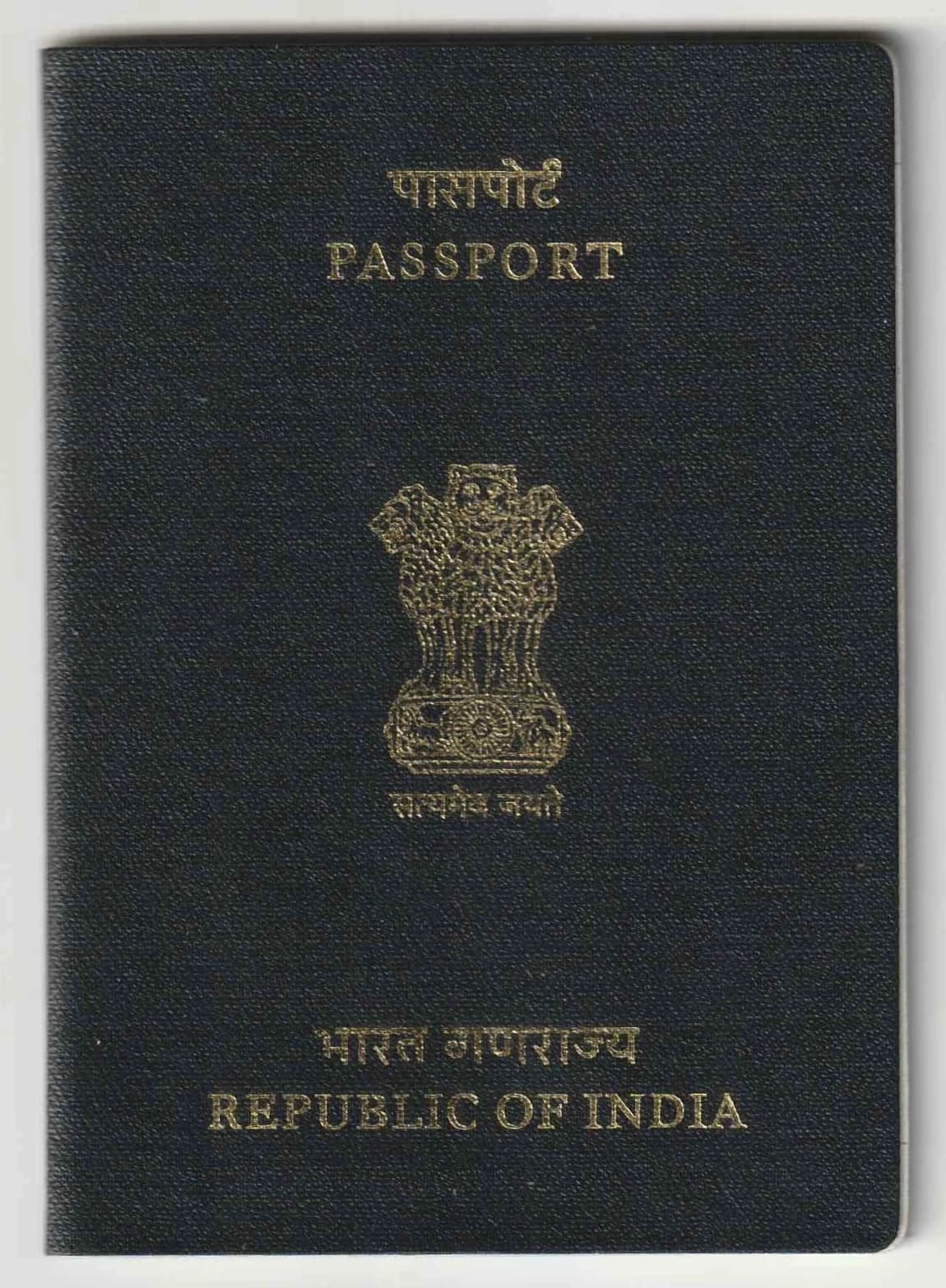
That matters economically because passports are not just travel documents, they are gatekeepers to labor mobility, business travel, remittances and overseas education. Any move that makes access more expensive, or more cumbersome, hits households directly and can ripple through airlines, visa processing, travel services and the broader administrative ecosystem that depends on smooth identity verification.
Sentiment IndicatorsⓘProprietary · adalytica.com · July 22, 2026
This is a snapshot — live sentiment, awareness and momentum for 130+ markets update continuously in the dashboard.Open AlphaPulse

The court has asked the government to decide on the representation within three months, keeping the issue alive at a time when governments worldwide are tightening passport systems, raising fees and cracking down on fraud. The policy logic is clear: stronger security, better digital checks and cleaner issuance systems cost money. But the market and public-policy question is whether that bill should be borne through higher fees, or whether the state should absorb it as part of core civic infrastructure.
Investors should pay attention because the story sits at the intersection of public-sector digitization, cybersecurity and fee-based government services. The broader backdrop — concerns over passport data security, scams and service disruptions — reinforces a simple thesis: identity infrastructure is becoming more expensive to defend, and the winners will be the vendors and technology stacks that make issuance more secure, more scalable and harder to game. The losers are legacy systems, opaque contractors and any model that assumes citizens will simply absorb rising friction.
For markets, the near-term impact is limited, but the medium-term signal is important. If the government is forced to revisit passport pricing or justify the increase more carefully, it could slow the push toward higher user charges in other essential services as well. That makes this a policy watchpoint for companies tied to government processing, digital security, data management and citizen-services outsourcing.
Our takeaway is straightforward: the court’s intervention does not upend the passport fee regime today, but it raises the political cost of using households to fund state security upgrades. The best opportunities likely sit with the picks-and-shovels of digital identity and secure document infrastructure, while businesses exposed to service delays, pricing backlash and manual processing face a tougher road.
| Entity | Gains | Losses |
|---|---|---|
| Digital identity and cybersecurity vendors | ▲More security spending | ▼Legacy paper-based systems |
| Government service providers | ▲Higher compliance demand | ▼Opaque fee hikes |
| Travelers and students | ▲Stronger passport security | ▼Higher application costs |
| Legacy contractors | ▲Short-term scrutiny | ▼Pricing power |




