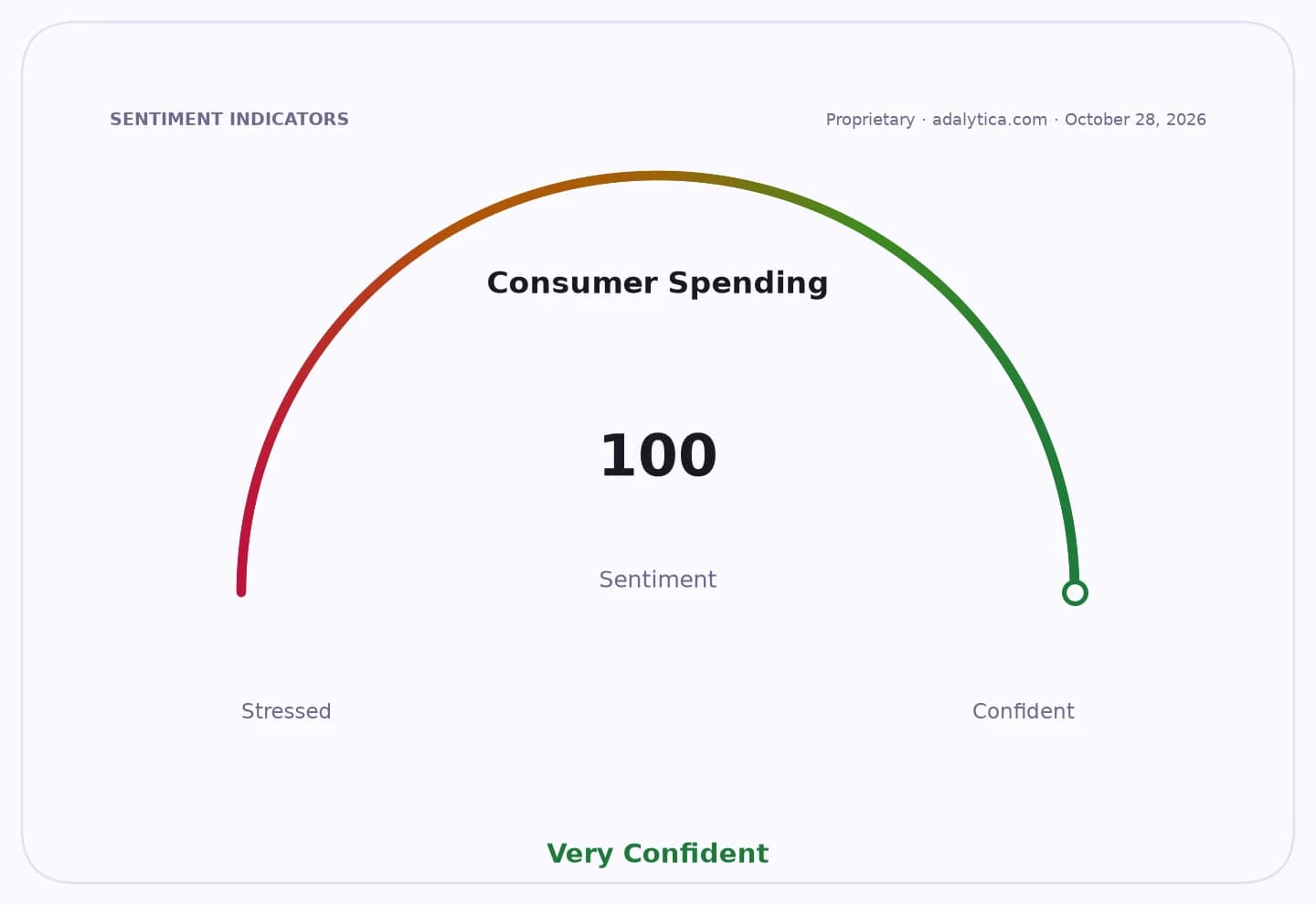
Danish grocers expect the government to stay on course with plans to ease food prices through VAT changes, even as fresh calculations on climate impact and alternative proposals circulate ahead of a final decision.
Denmark Grocers Expect VAT Cut on Food Prices
That matters because food inflation has become a political as much as an economic issue in Denmark. Any move to cut VAT on daily goods would reach households quickly, lifting real disposable income and potentially supporting consumption at a time when consumers remain sensitive to grocery bills. It would also come at a fiscal cost, leaving ministers to balance short-term relief against revenue loss and the risk of encouraging demand in a sector already under tight public scrutiny.
Sentiment Indicators
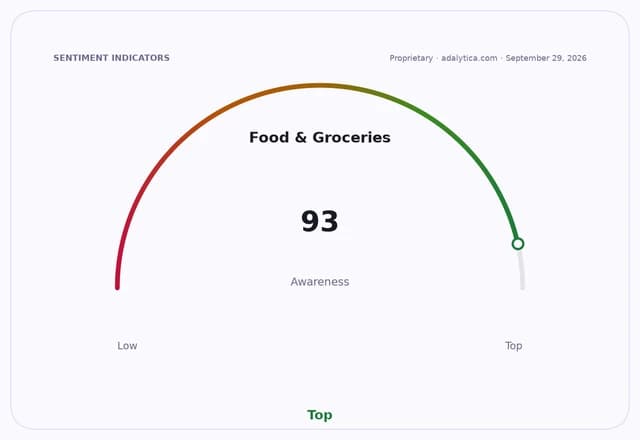
The Danish grocers’ trade group, DSK, said it does not expect the government to materially change course, describing ministers as effectively clear about their intentions. The comments suggest the industry is preparing for a policy outcome that could reshape supermarket pricing, margins and competitive dynamics rather than a prolonged debate.
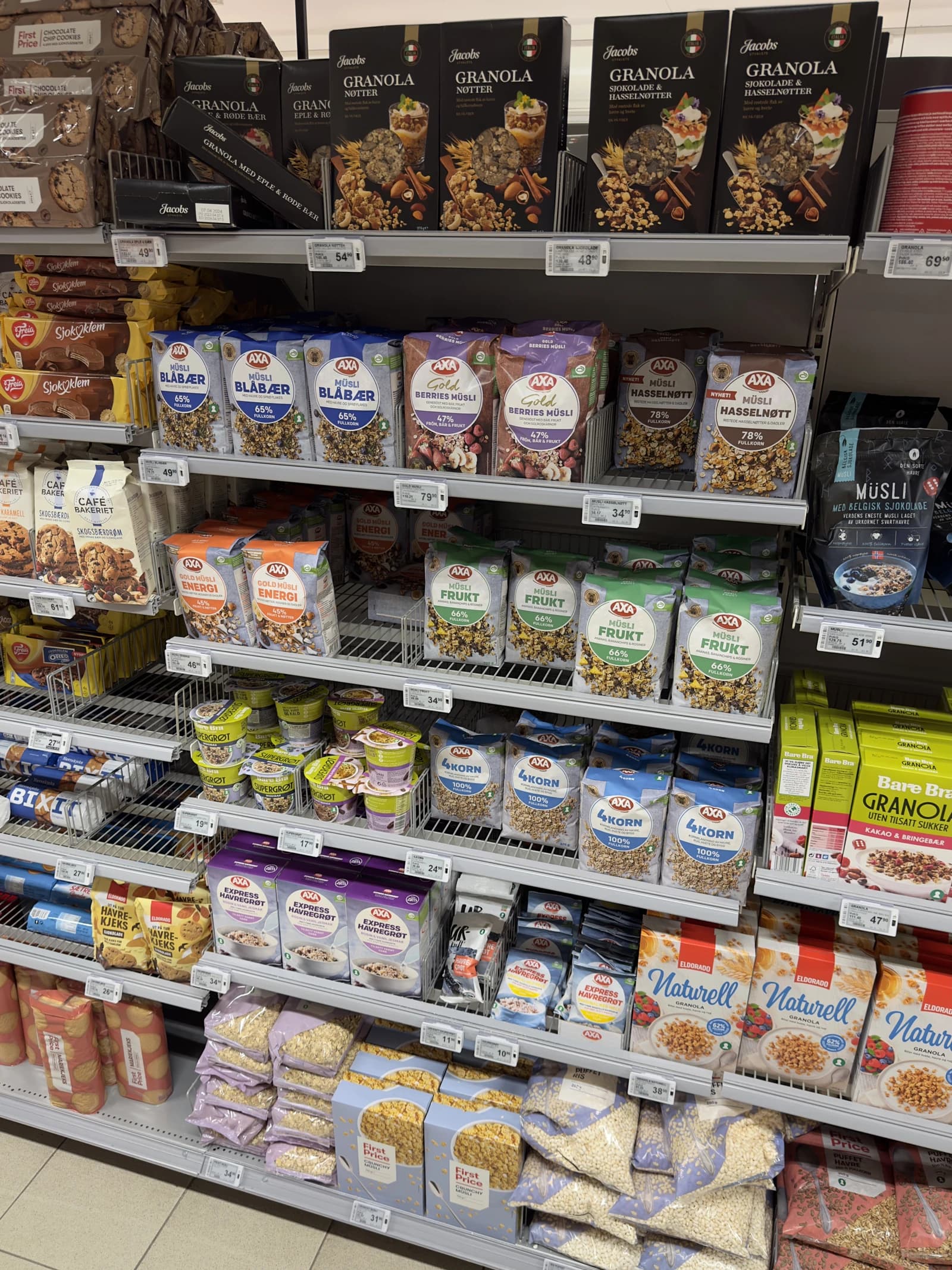
For grocers, the key question is whether any VAT relief would be passed on to shoppers or absorbed partly in margins and promotional activity. Retailers have already been operating in a fiercely competitive environment, and in markets where pricing power is limited, tax cuts can end up benefiting consumers more than stores. That would be positive for volumes and basket sizes, but less so for near-term profit capture.
The broader market significance is that food retail sits at the intersection of inflation policy, household demand and politics. If the government proceeds, it could ease pressure on consumers and improve sentiment around staples spending. If it does not, retailers may keep facing demands to absorb costs while households continue to trade down and compare prices more aggressively.
Investors will be watching whether any VAT move is broad-based or targeted, how quickly it is implemented, and whether Brussels has to sign off. Those details will determine the size of the consumer lift and the extent to which grocers, suppliers and food manufacturers share the benefit or the burden.
| Entity | Gains | Losses |
|---|---|---|
| Households | ▲Lower food bills | ▼Less policy uncertainty |
| Grocers | ▲Higher basket volumes | ▼Margin pressure if VAT is passed through |
| Government | ▲Political credit for relief | ▼Tax revenue |
| Suppliers | ▲Possible demand lift | ▼Pricing pressure from retailers |