Diesel prices surging past 2.1 euros a liter in parts of Prince Edward Island could do more than pinch drivers: they threaten to feed through into higher grocery bills, tighter margins for food retailers and a renewed inflation headache for consumers already under pressure.
Diesel Spike Risks Grocery Margins
The immediate concern is simple economics. Diesel is the lifeblood of food logistics, powering long-haul trucks, refrigerated delivery fleets and last-mile distribution. When fuel costs jump, transportation and warehousing bills rise quickly, and those costs rarely stay contained for long. Even with crude oil easing at points this year, the local pump price spike shows how retail fuel markets can stay elevated because of supply disruptions, tax effects, inventory lags and geopolitical risk. For households, that means the grocery basket gets more expensive just as fuel itself drains more of disposable income.
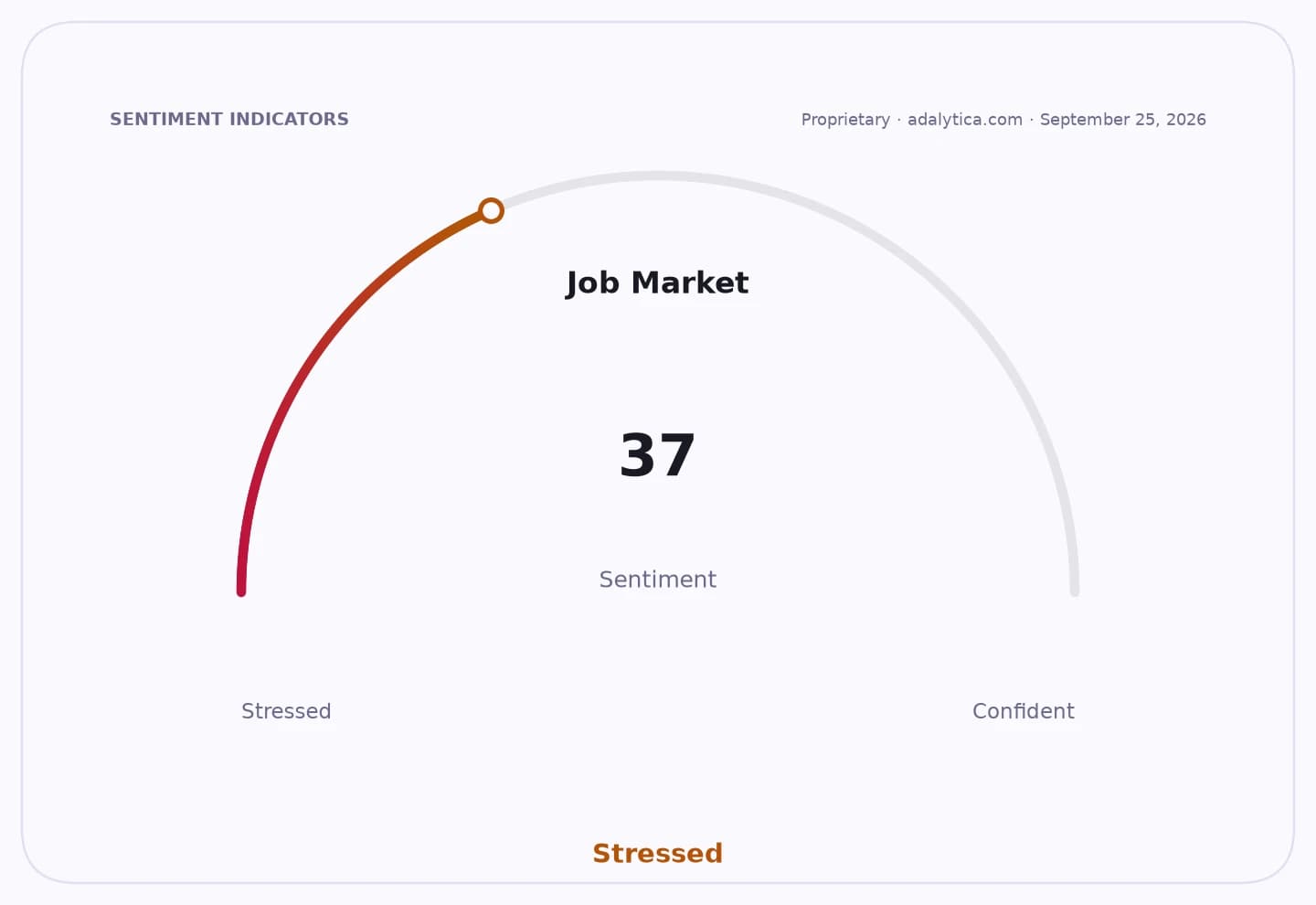
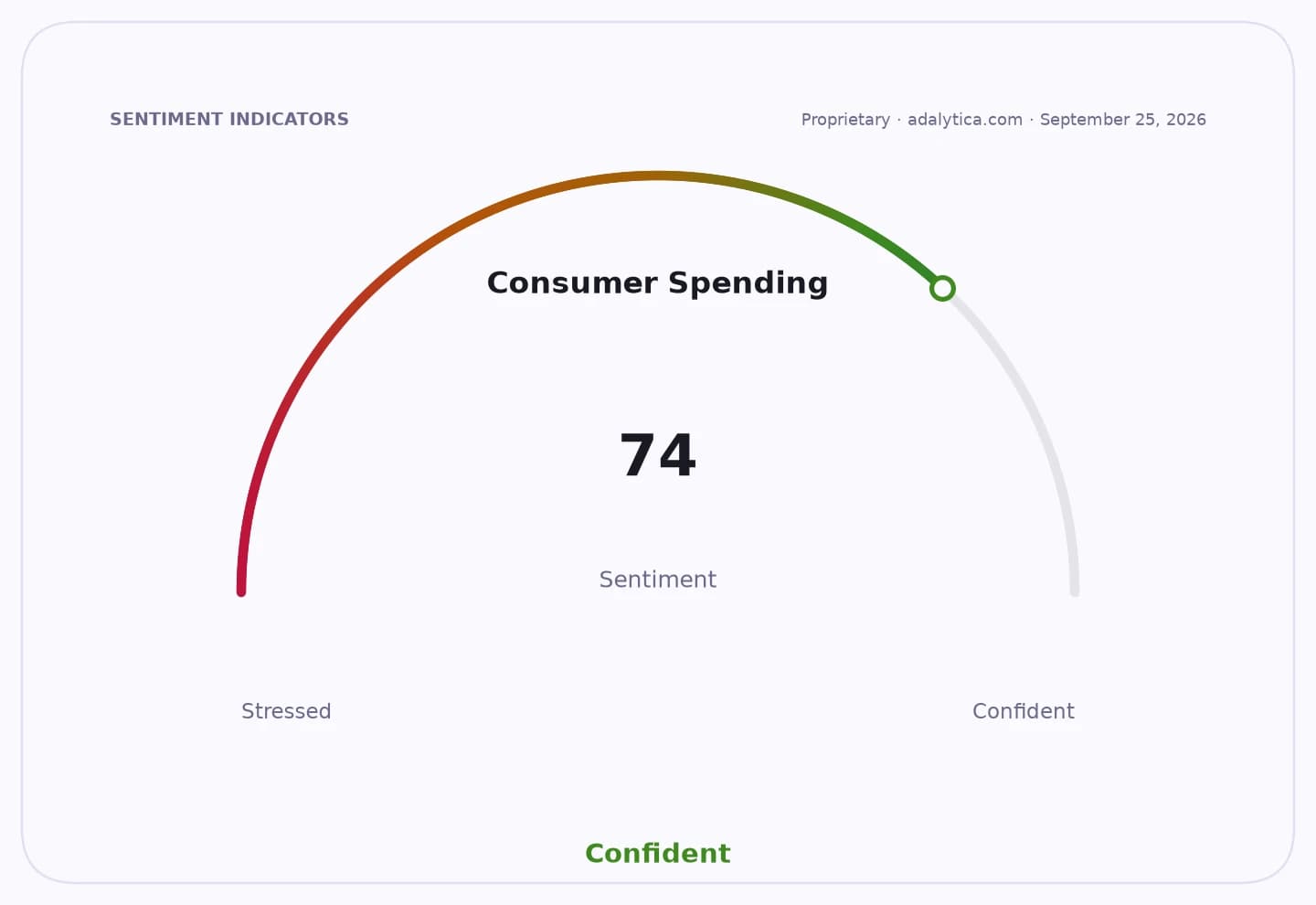
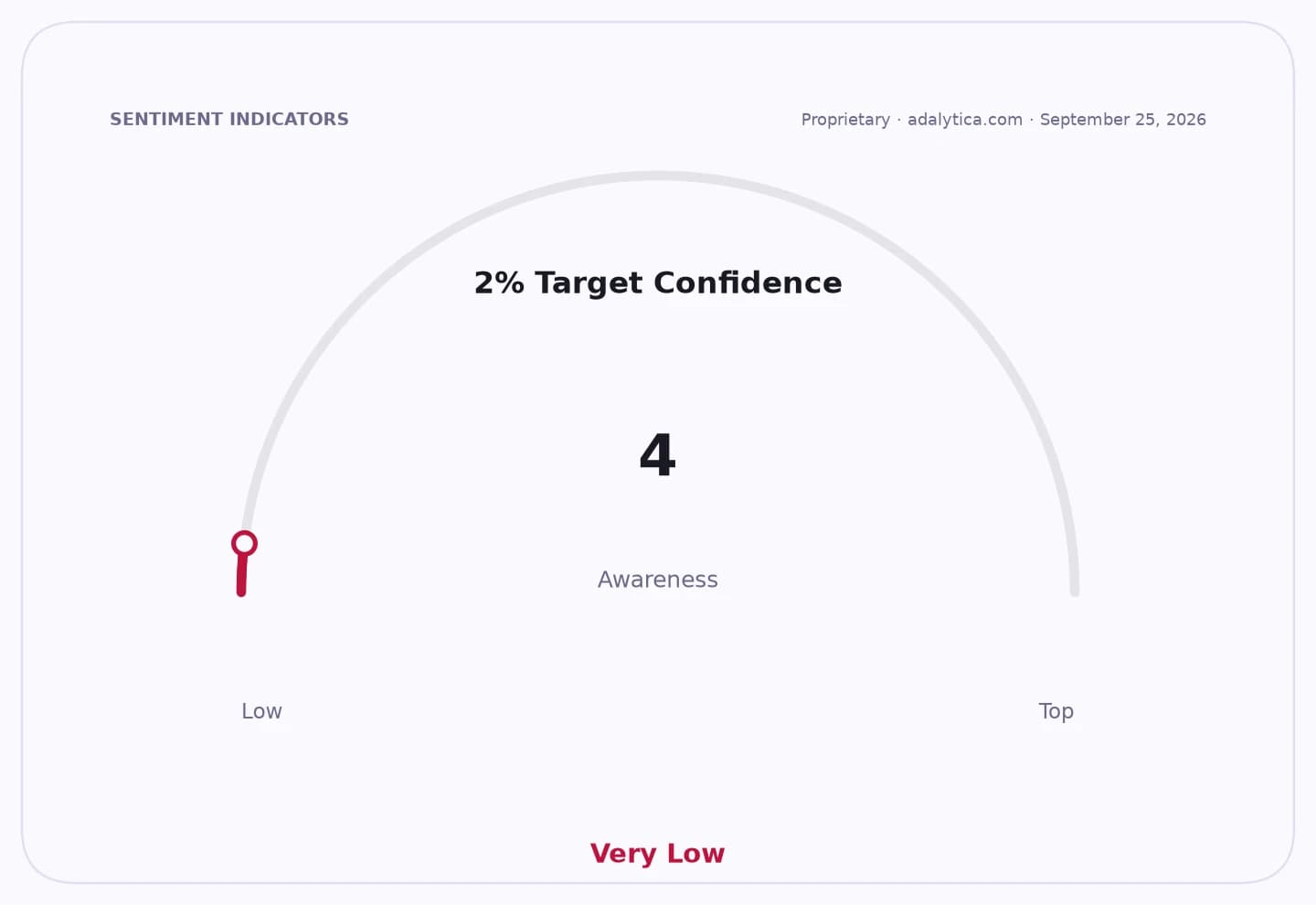
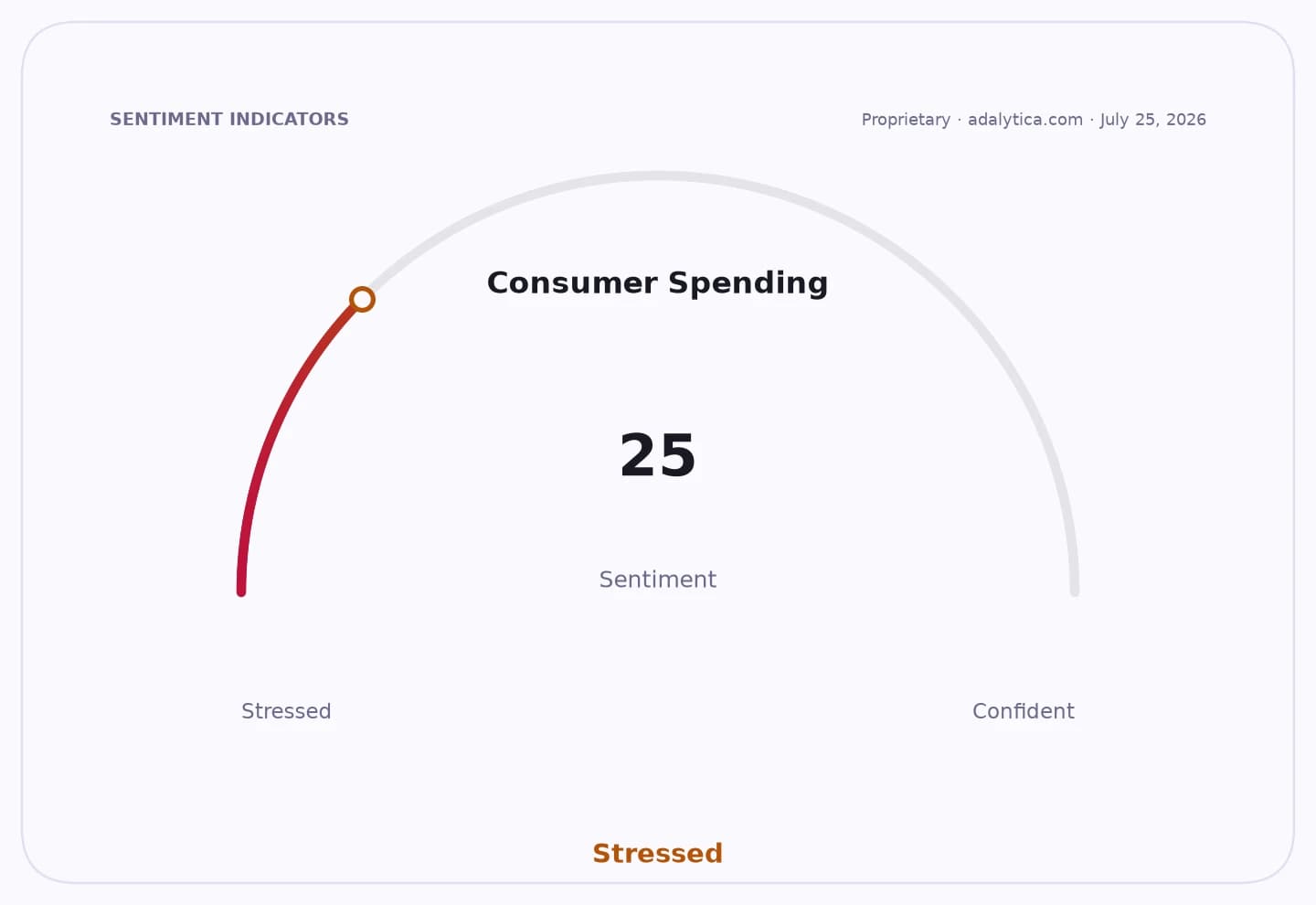
Sentiment IndicatorsⓘProprietary · adalytica.com · July 25, 2026
This is a snapshot — live sentiment, awareness and momentum for 130+ markets update continuously in the dashboard.Open AlphaPulse
That matters because food inflation is one of the fastest ways higher energy costs spread through an economy. Grocers, wholesalers and suppliers face a choice: absorb the hit in margins or pass it on to shoppers. Recent filings from major retailers and food companies show how sensitive the sector is to input-cost swings, with Walmart, Costco, Kroger and consumer staples groups all flagging fuel, transportation and energy as material risks. The market message is clear: diesel is not just a driver cost, it is a broad inflation input.
The timing also raises the odds that consumers pull back elsewhere. Adalytica’s consumer spending gauge has slid into fear territory, while its CPI sentiment sits at extreme fear, suggesting households are already braced for higher prices. That is exactly the kind of backdrop where fuel-driven inflation becomes self-reinforcing: shoppers trade down, retailers fight harder for volume, and suppliers lose pricing power. In a market like this, the winners are not the brands trying to defend shelf prices but the companies with direct exposure to fuel, transportation and commodity pass-through.
Investors should watch two trades. First, energy and fuel-linked names can keep benefiting if diesel stays elevated, and the oil complex is still showing strong technical momentum, with USO and the energy sector ETF XLE both trading above their 50-day and 200-day moving averages. Second, food retailers and packaged-food companies face a margin squeeze unless they can raise prices without losing traffic. That makes the best opportunities the businesses that sit on the toll roads of inflation: logistics providers, fuel distributors, agricultural commodity funds such as DBA, and select energy producers.
The broader narrative is that diesel is once again acting as the transmission mechanism between geopolitics and the grocery aisle. If fuel prices remain sticky, P.E.I. may be an early warning rather than an isolated case. The market underestimates how quickly a diesel spike can move from a local pump problem to a national consumer-cost story, and that is why investors should position for inflation spillovers before they show up in earnings.
| Entity | Gains | Losses |
|---|---|---|
| Energy producers / fuel funds | ▲higher realized prices | ▼demand shocks if slowdown deepens |
| Logistics and trucking firms | ▲none | ▼higher operating costs |
| Grocers and food retailers | ▲limited pass-through potential | ▼margin pressure |
| Consumers | ▲temporary price freezes at some stations | ▼higher grocery and fuel bills |