The European Union’s rush to launch a digital euro could become one of the most important payment shifts in years, creating a state-backed alternative to card networks that dominate everyday spending and cross-border commerce.
Digital Euro Could Pressure Card Networks
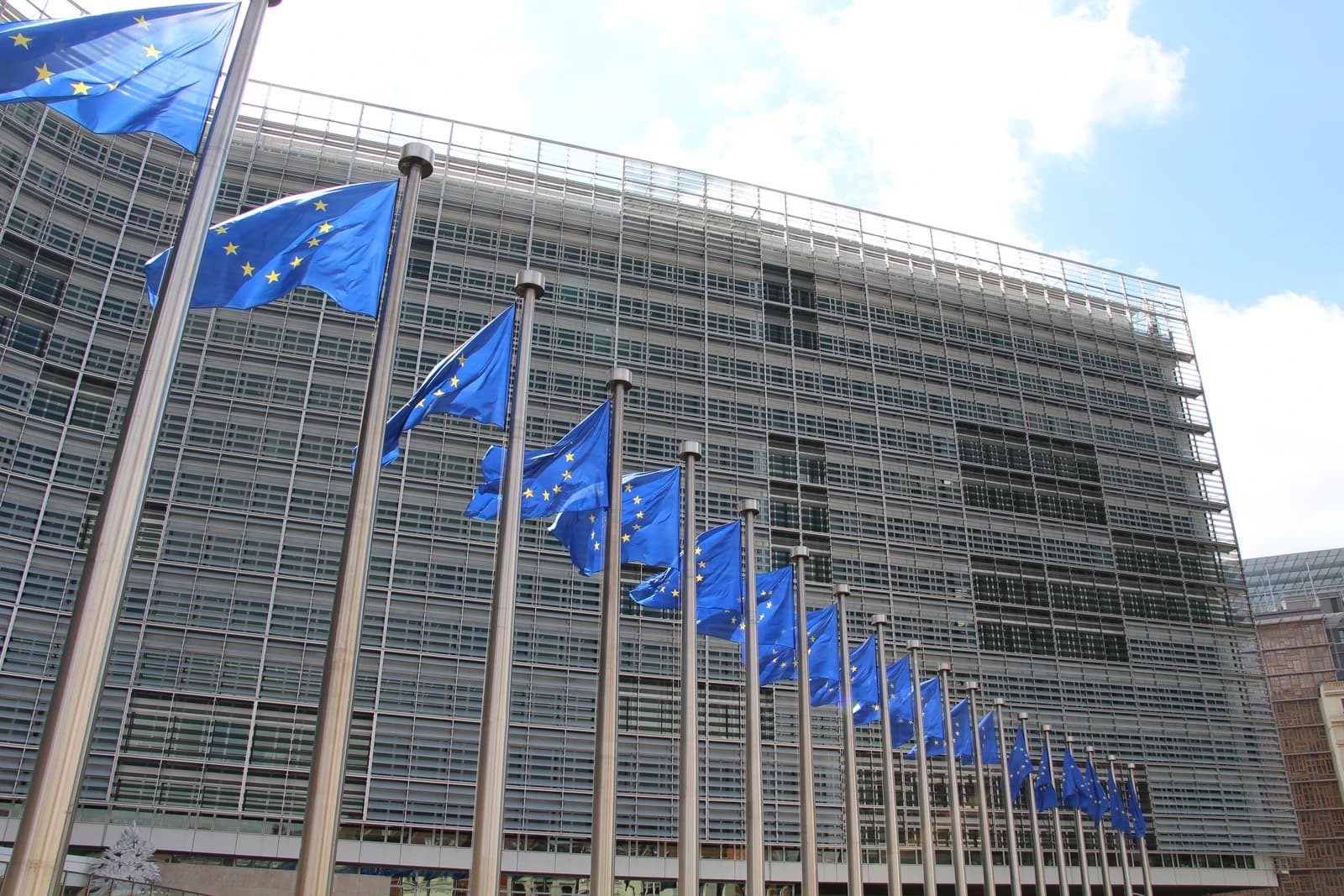
If Brussels and the European Central Bank can move quickly, the payoff goes well beyond convenience. A digital euro would give Europe a more direct way to settle retail payments, reduce reliance on U.S.-controlled rails and strengthen the bloc’s monetary autonomy at a time when currency competition is becoming more strategic. For investors, that makes this less like a science project and more like a slow-moving challenge to the economics of Visa, Mastercard and even PayPal.
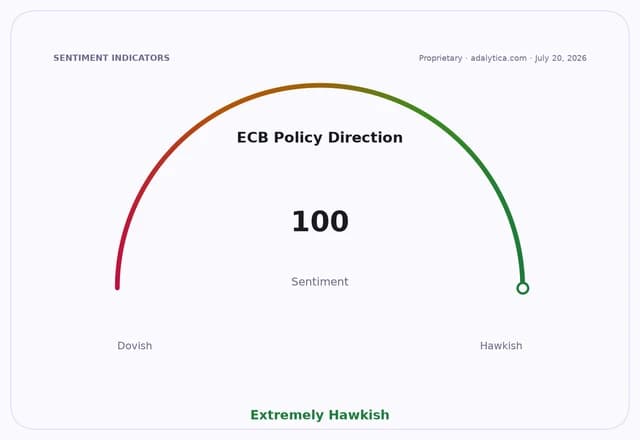
Sentiment IndicatorsⓘProprietary · adalytica.com · July 20, 2026
This is a snapshot — live sentiment, awareness and momentum for 130+ markets update continuously in the dashboard.Open AlphaPulse
The story matters because payments is a scale business. Once consumers, merchants and banks get used to a system, they tend to stick with it for years. That is exactly why the digital euro debate matters to the card giants: even if a new currency does not instantly replace cards, it can chip away at the most profitable parts of the network model, especially if the EU designs it to be cheap, instant and broadly accepted across the bloc. The more the system becomes embedded in daily transactions, the more it can influence fee structures, merchant bargaining power and the long-term mix of payment volumes.
Markets are already paying attention to that structural risk, even if the stocks themselves have remained resilient. Visa shares have climbed back above both the 50-day and 200-day moving averages, while Mastercard has held comfortably above those benchmarks, signaling investors still expect durable earnings power. But PayPal’s violent rebound from its lows is a reminder that payment stocks can move sharply when the market senses a change in competitive positioning. Investors do not need a digital euro to “kill” card networks for it to matter. They only need it to lower growth, pressure pricing or accelerate the shift toward lower-margin, bank-led and wallet-based transactions.
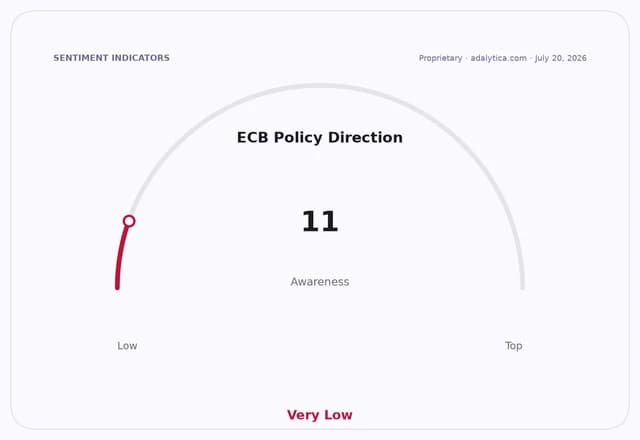
The euro angle is just as important. Adalytica’s Euro Trade Signals show sentiment around the currency improving sharply, while the European Central Bank policy gauge sits at an extreme reading, underscoring how much policy support is being assumed for the bloc’s next monetary step. That fits the broader narrative in FX markets: a stronger euro, expectations of fiscal adjustment and the prospect of a digital version of the currency are all being seen as part of Europe’s effort to build a more independent financial system.
For investors, the key question is not whether Visa and Mastercard stop being excellent businesses. Their moats remain formidable, their networks are deeply embedded, and their cash generation is still world-class. The real question is whether Europe’s digital euro becomes a meaningful new payment standard or just another policy headline. If it scales, it could pressure incumbents over time. If it stalls, card networks keep compounding as before.
Either way, long-term investors should treat this as a watchlist story, not a reason to panic. The digital euro is a reminder that even the strongest payment franchises must keep adapting as governments, consumers and merchants search for cheaper and more sovereign ways to move money. That is exactly the kind of shift worth monitoring for the next 3 to 10 years.
| Entity | Gains | Losses |
|---|---|---|
| European Central Bank / EU | ▲Payment sovereignty | ▼Reliance on U.S. rails |
| Consumers / merchants in Europe | ▲Faster, cheaper payments | ▼Card fee friction |
| Visa and Mastercard | ▲If adoption stays limited | ▼If digital euro scales |
| PayPal and wallet rivals | ▲More digital payment usage | ▼Pressure from state-backed rails |




