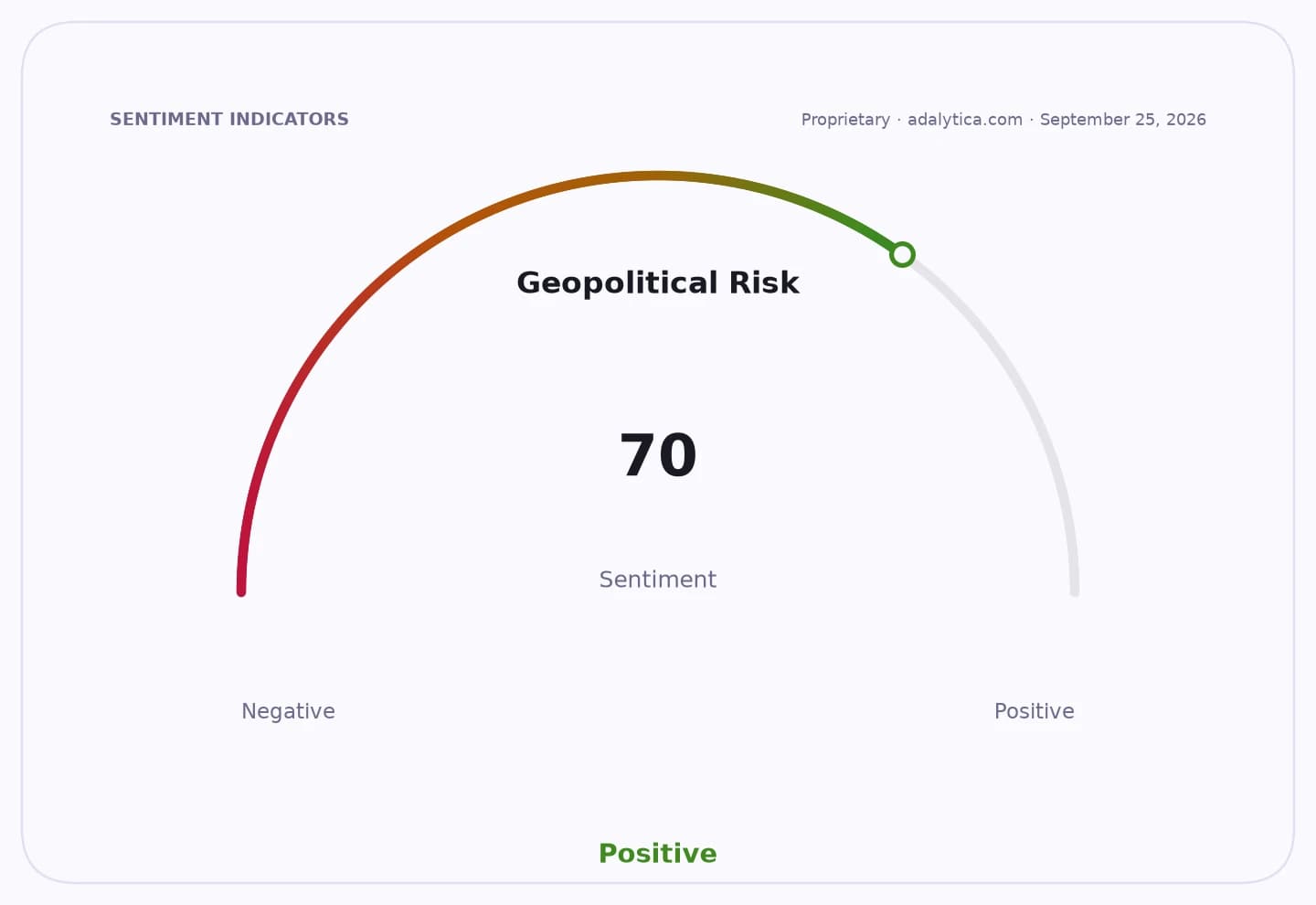
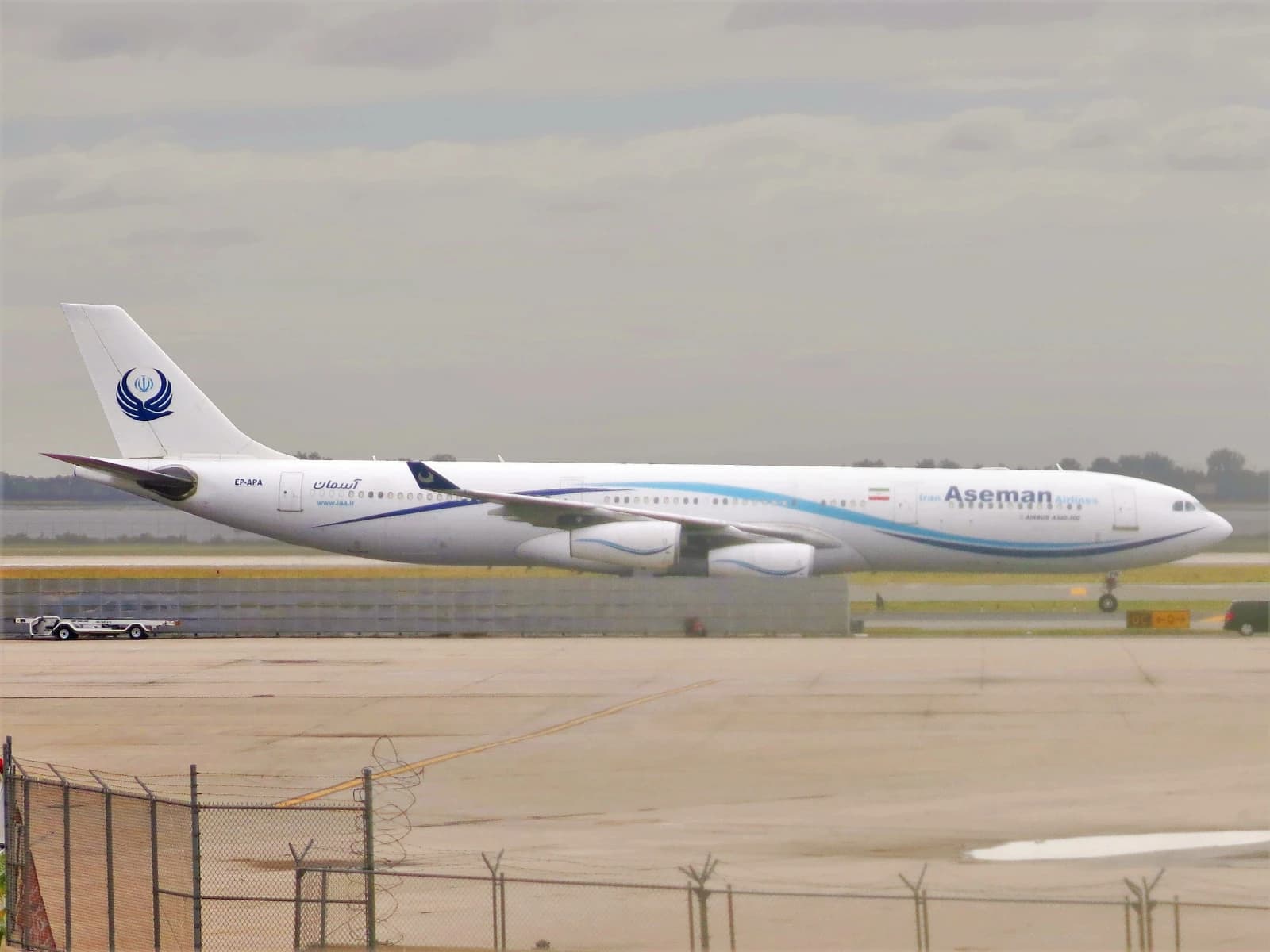
U.S. equities are taking their cue from a fresh push by Iran mediators toward diplomacy, easing immediate war-risk pricing even as oil remains the market’s bigger problem.
Diplomacy Eases War Risk, Oil Still Drives Markets
The Dow Jones Industrial Average is outperforming as investors price a lower probability of an abrupt widening of the conflict, while the more growth-sensitive Nasdaq is lagging. That split matters because the market’s first instinct in a Middle East escalation is to buy safety, but the second-order effect is what really drives portfolios: higher energy prices, tighter financial conditions and slower growth. With West Texas Intermediate crude still elevated after a recent surge, traders are weighing whether diplomacy can cool the risk premium before it feeds into inflation expectations and corporate margins.
Sentiment IndicatorsⓘProprietary · adalytica.com · July 20, 2026
This is a snapshot — live sentiment, awareness and momentum for 130+ markets update continuously in the dashboard.Open AlphaPulse
The benchmark 10-year Treasury yield is around 4.56%, while the 2-year sits near 4.2%, leaving a modestly positive curve that suggests recession fears are not yet dominant. Even so, the yield setup is fragile. If oil stays near recent highs, investors will face a less comfortable mix of firmer headline inflation and only limited scope for the Federal Reserve to ease policy quickly. That is one reason defensive and cash-generative names tend to hold up better than high-duration growth stocks in geopolitical shocks.
Oil is the key transmission channel. WTI has jumped from the low 70s earlier this month to around $78 a barrel in the latest readings, a move large enough to matter for transport costs, consumer spending and earnings guidance across cyclical sectors. Energy producers and service names benefit first, but the broader market usually treats a crude spike as a tax on consumers and a headwind for margins elsewhere. That dynamic helps explain why the Dow, which is more heavily weighted toward industrials, financials and mature blue chips, can rise even as the broader market remains cautious.
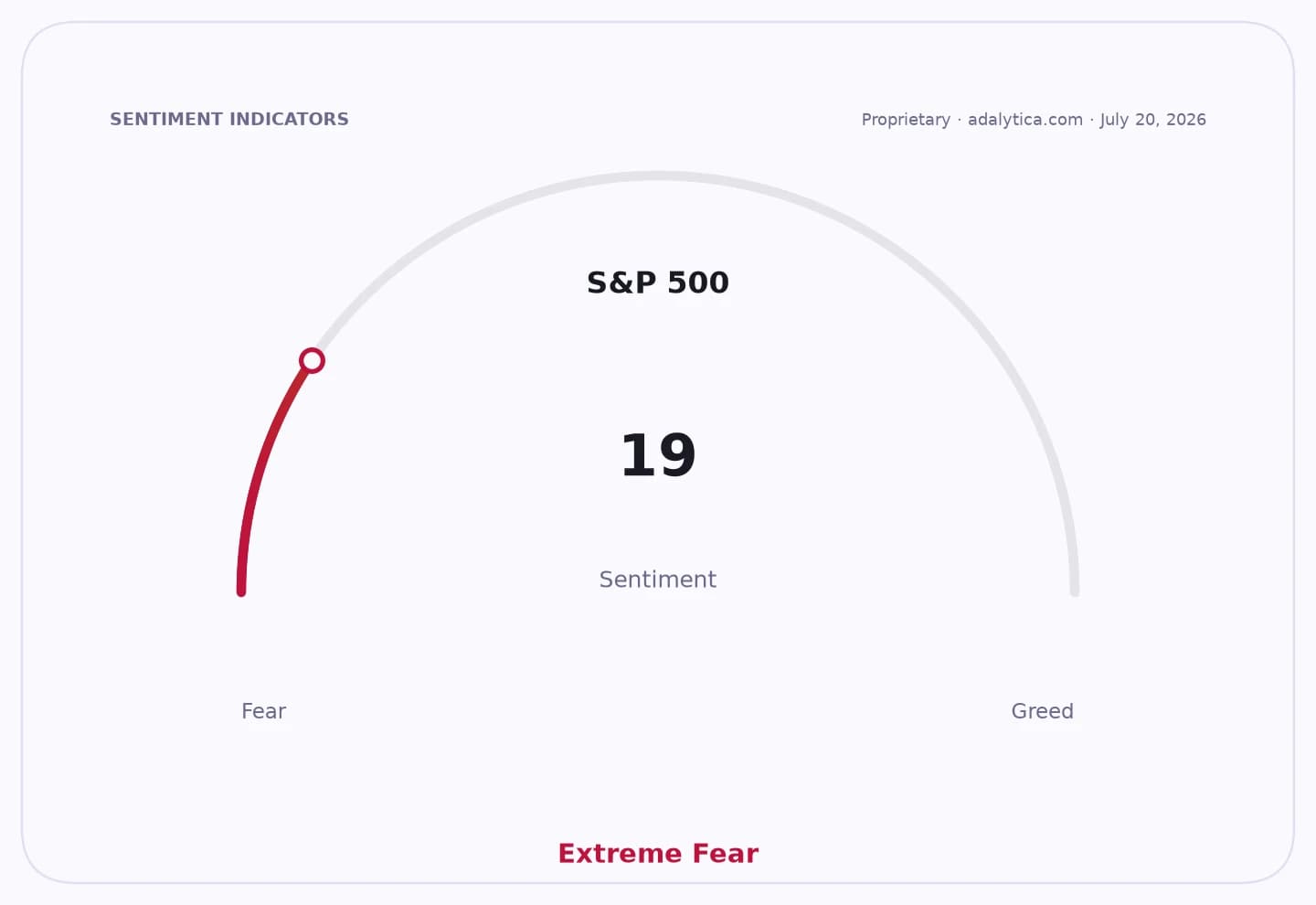
Market positioning also shows the strain. Adalytica’s S&P 500 trade signals indicate fear, with sentiment at 19 and awareness still neutral, a sharp deterioration over the past week. Treasury bond sentiment is even more defensive, pointing to demand for duration if geopolitical headlines worsen or growth expectations deteriorate. By contrast, the dollar is holding up only moderately, suggesting investors are hedging rather than outright fleeing risk.
The bull case for equities is that diplomacy prevents a blockade scenario in the Strait of Hormuz and caps the oil shock. That would relieve pressure on inflation, support consumer spending and reduce the odds of another leg higher in yields. The bear case is that talks fail, shipping disruptions persist and crude moves beyond a manageable shock into a broader macro problem, forcing the market to reprice earnings and rate expectations at the same time.
For investors, the immediate watchpoints are crude prices, shipping routes, Treasury yields and whether the Dow’s relative strength spreads beyond defensive blue chips. If mediators succeed, risk assets can recover quickly. If not, the market’s focus will shift from diplomacy to the cost of conflict.
| Entity | Gains | Losses |
|---|---|---|
| Dow blue chips | ▲Relative outperformance | ▼Limited upside if oil spikes |
| Energy producers | ▲Higher crude prices | ▼Demand destruction risk |
| Consumers and airlines | ▲Lower fuel costs if diplomacy holds | ▼Higher costs if conflict widens |
| Nasdaq growth stocks | ▲Relief from lower rates if tensions ease | ▼Valuation pressure from higher yields |