Donald Trump’s threat to yank his own attorney general nominee has turned a personnel fight into a wider test of Republican control, raising the odds of delay, legislative dysfunction and a deeper fracture inside the party heading into a crowded political calendar.
DJT closes at $10.38 as Trump nomination fight escalates
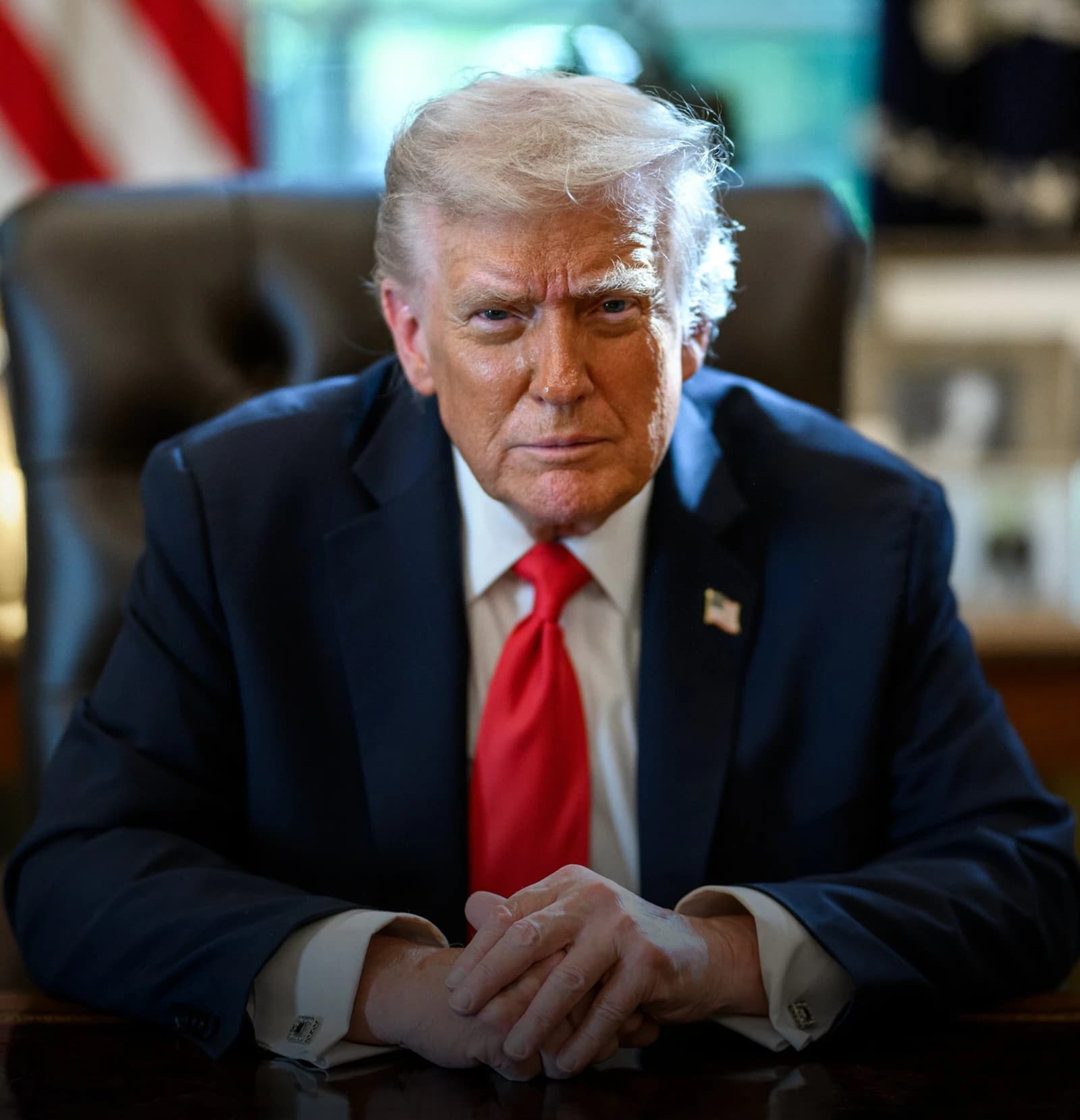
The standoff matters because the Justice Department seat is one of the most consequential posts in Washington, and any perception that Trump is willing to use nominations as leverage over intra-party disputes underscores how personal loyalty is increasingly shaping the GOP’s governing process. That raises the political cost of confirming nominees, but it also creates economic spillovers if the party’s internal conflict slows policymaking, adds uncertainty around tax and regulatory enforcement, and keeps investors focused on the risk of sharper policy swings.
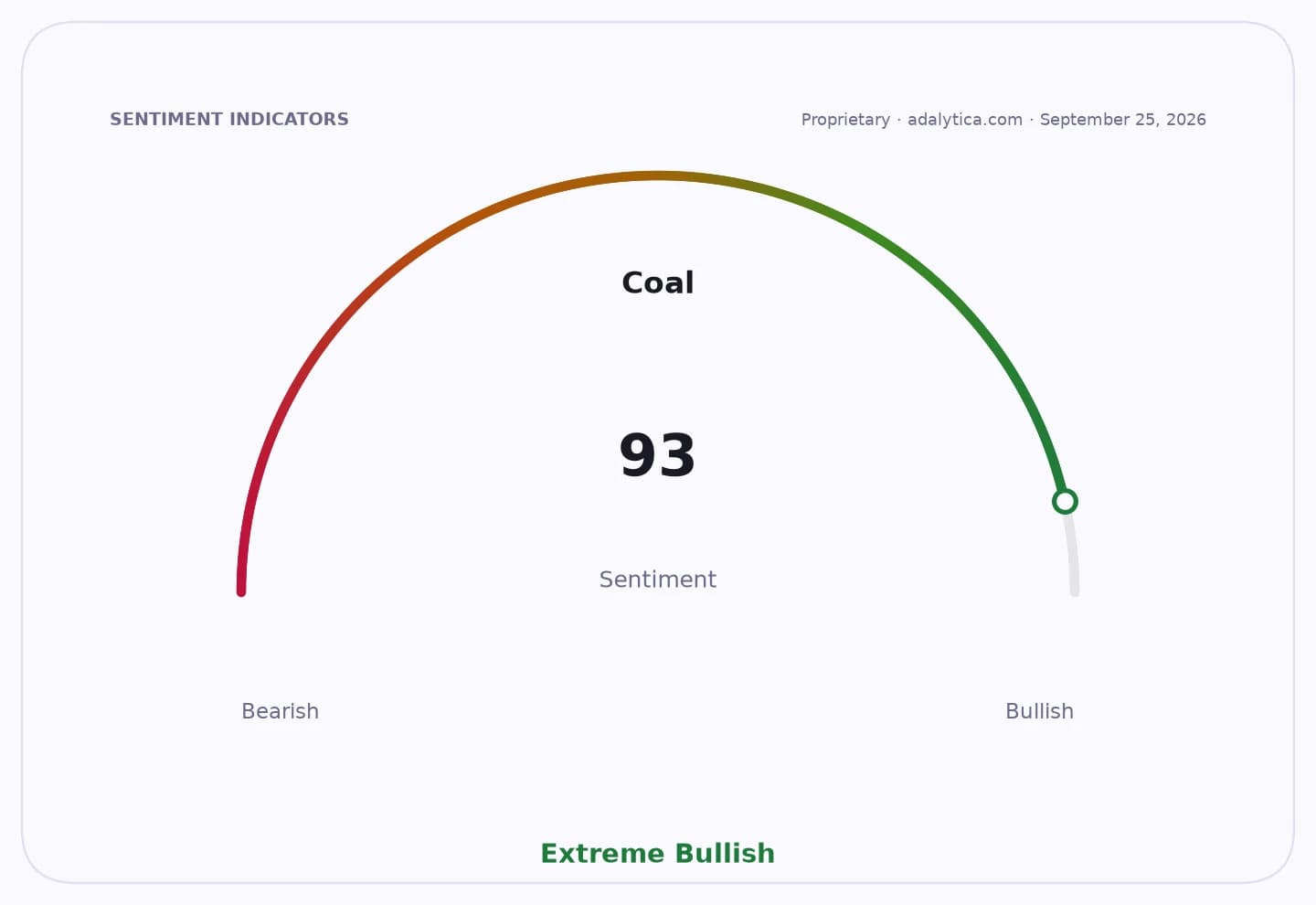
Sentiment IndicatorsⓘProprietary · adalytica.com · July 30, 2026
This is a snapshot — live sentiment, awareness and momentum for 130+ markets update continuously in the dashboard.Open AlphaPulse
The immediate trigger is anger over Trump’s tax settlement, which has become a proxy for a broader rebellion by GOP senators John Cornyn and Thom Tillis and their allies. By threatening to withdraw Todd Blanche’s nomination unless the two lawmakers leave office, Trump is effectively escalating a fight that goes beyond one cabinet slot and into the question of who sets the party’s rules. For investors, that matters because a divided Republican caucus can be less effective at delivering pro-business legislation, while a more combative White House raises the probability of abrupt policy changes that complicate capital allocation.
The market backdrop suggests investors are already treating Washington risk as a live macro variable. Trump Media & Technology Group’s stock, which trades under the DJT ticker, has been volatile and recently closed at $10.38, with its 14-day RSI at 70.6, a level that often points to stretched short-term momentum. At the same time, broader market gauges show caution, with SPY trade signals tilted toward fear even as awareness remains elevated. That combination suggests traders are sensitive to headline risk from Washington, particularly when it intersects with tax policy, legal scrutiny and party discipline.
The White House fight also comes at a time when Republican lawmakers are already split on other priorities, including war powers and immigration-related legislation. That makes the AG nomination less about one post and more about whether Trump can still impose order on a party whose Senate wing is increasingly willing to push back. If he caves, it could embolden more defections. If he escalates, the immediate casualty may be Senate efficiency and, by extension, the market’s assumption that the GOP can deliver a stable governing agenda.
For investors, the key question is not the fate of Todd Blanche alone but whether this marks another step toward a more transactional, less predictable Republican policy machine. That tends to be a negative for sectors that prize regulatory clarity, including financials, media and internet platforms, while beneficiaries may include volatility traders and politically insulated businesses. The next catalyst is whether Cornyn, Tillis and other GOP senators fold, force a retreat, or prolong the confrontation into a broader fight over confirmation power.
| Entity | Gains | Losses |
|---|---|---|
| Trump | ▲Leverage over GOP | ▼Senate credibility |
| Todd Blanche | ▲Nomination spotlight | ▼Confirmation odds |
| Cornyn/Tillis bloc | ▲Party resistance | ▼Risk of retaliation |
| Investors | ▲Volatility opportunities | ▼Policy certainty |