Lifting U.S. sanctions on Republika Srpska leader Milorad Dodik gave him a real political victory — but it also exposed the weakness of a strategy built around one administration, one president and a small circle of intermediaries whose fortunes in Washington can change overnight.
Dodik Sanctions Relief May Prove Temporary
That is why the bigger story is not the sanctions relief itself, but the risk that it may prove temporary. For investors and anyone watching the Balkans, the important question is whether Dodik has bought durable leverage in the United States, or simply benefited from a political window that could close if Congress turns more hostile, if Trump’s advisers fall out of favor or if the White House changes course.
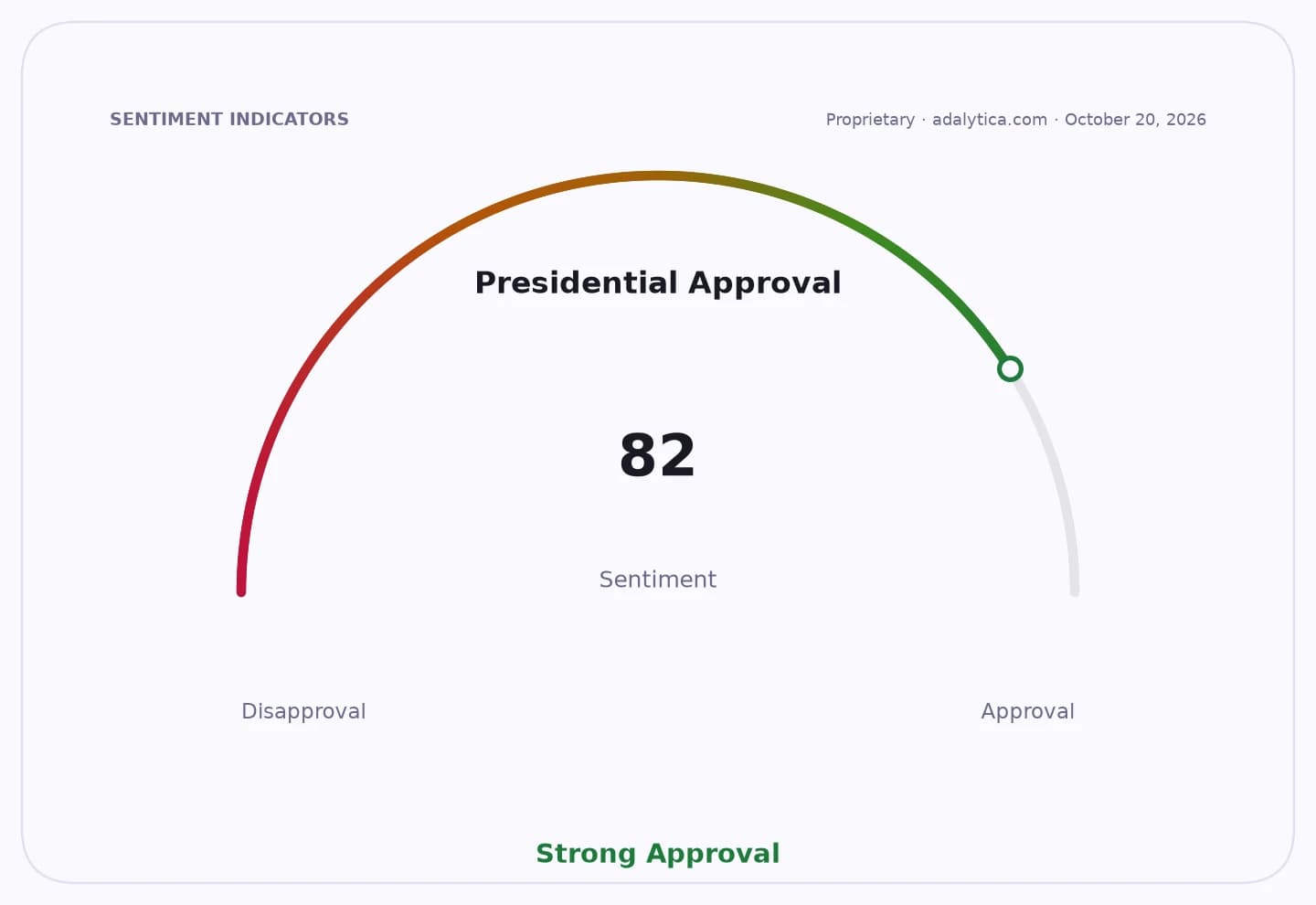
Sentiment IndicatorsⓘProprietary · adalytica.com · October 23, 2026
This is a snapshot — live sentiment, awareness and momentum for 130+ markets update continuously in the dashboard.Open AlphaPulse
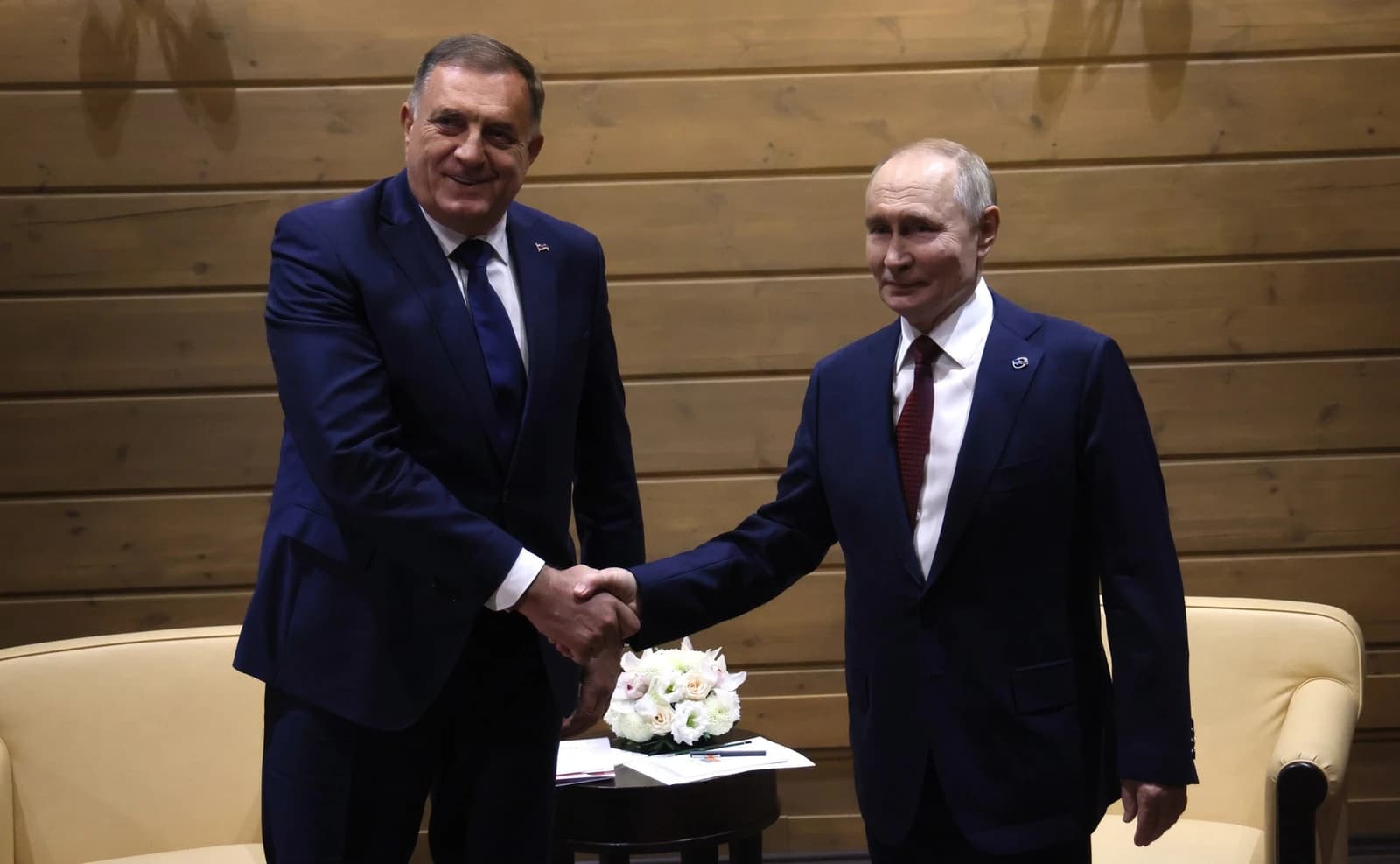
The Treasury Department’s Office of Foreign Assets Control removed sanctions on Dodik, his family members, associates and related companies on Oct. 29, 2025. The State Department framed the move as consistent with de-escalation by Republika Srpska, but offered no detailed explanation for the decision. That matters because sanctions are one of Washington’s sharpest tools in the Balkans: when they are lifted, money, travel and reputation improve quickly; when they return, the costs are immediate.
For Dodik, the payoff is obvious. A sanctions rollback is more than symbolism in a region where access to Western capital, political legitimacy and foreign partners can make or break a leader’s room to maneuver. It also gives him a talking point at home that he has succeeded where years of defiance did not.
But the durability of that gain is much less certain. Reuters reported that Trump has been frustrated with James Blair, one of his political advisers, whose paid engagement in Republika Srpska has drawn fresh scrutiny. The White House denied the claims and Blair rejected them as slander, yet the episode shows how quickly a foreign political relationship can become a domestic liability in Washington. That is the central risk for Dodik: not whether he can reach Trump’s circle, but whether that circle remains influential.
Congress is already asking questions. Democratic Rep. Dina Titus published a letter on Oct. 16 seeking details on Blair and Chris LaCivita’s work in Republika Srpska, their contacts with the White House and whether any U.S. institutions were involved. The request does not amount to an investigation, but it signals that the issue has moved from quiet lobbying to public oversight. If Democrats take the House, scrutiny of the administration and its associates would likely intensify, even if sanctions are not automatically restored.
That is the broader lesson for investors thinking about geopolitical risk. Dodik’s approach may work in the short run, but it is fragile because it depends on personalities, not institutions. In Washington, that is a dangerous foundation. Congress is not aligned on Dodik either: lawmakers from both parties have already called for sanctions to be reimposed, citing his secessionist agenda and pro-Russian posture.
The market takeaway is straightforward. Political access can create opportunity, but it is not the same as lasting policy support. For long-term investors, especially those with exposure to the Balkans through sovereign risk, banking, infrastructure or regional political stability, the lesson is to discount headline wins until they survive a change in the political weather. Dodik may have won a round in Washington. Whether he wins the war depends on who controls the next one.
| Entity | Gains | Losses |
|---|---|---|
| Milorad Dodik / Republika Srpska | ▲Sanctions relief | ▼Policy remains fragile |
| Trump White House allies | ▲Access and influence | ▼Scrutiny and political risk |
| U.S. Congress | ▲Oversight leverage | ▼Limited direct control |
| Western Balkan stability | ▲Possible de-escalation | ▼Renewed uncertainty if policy flips |