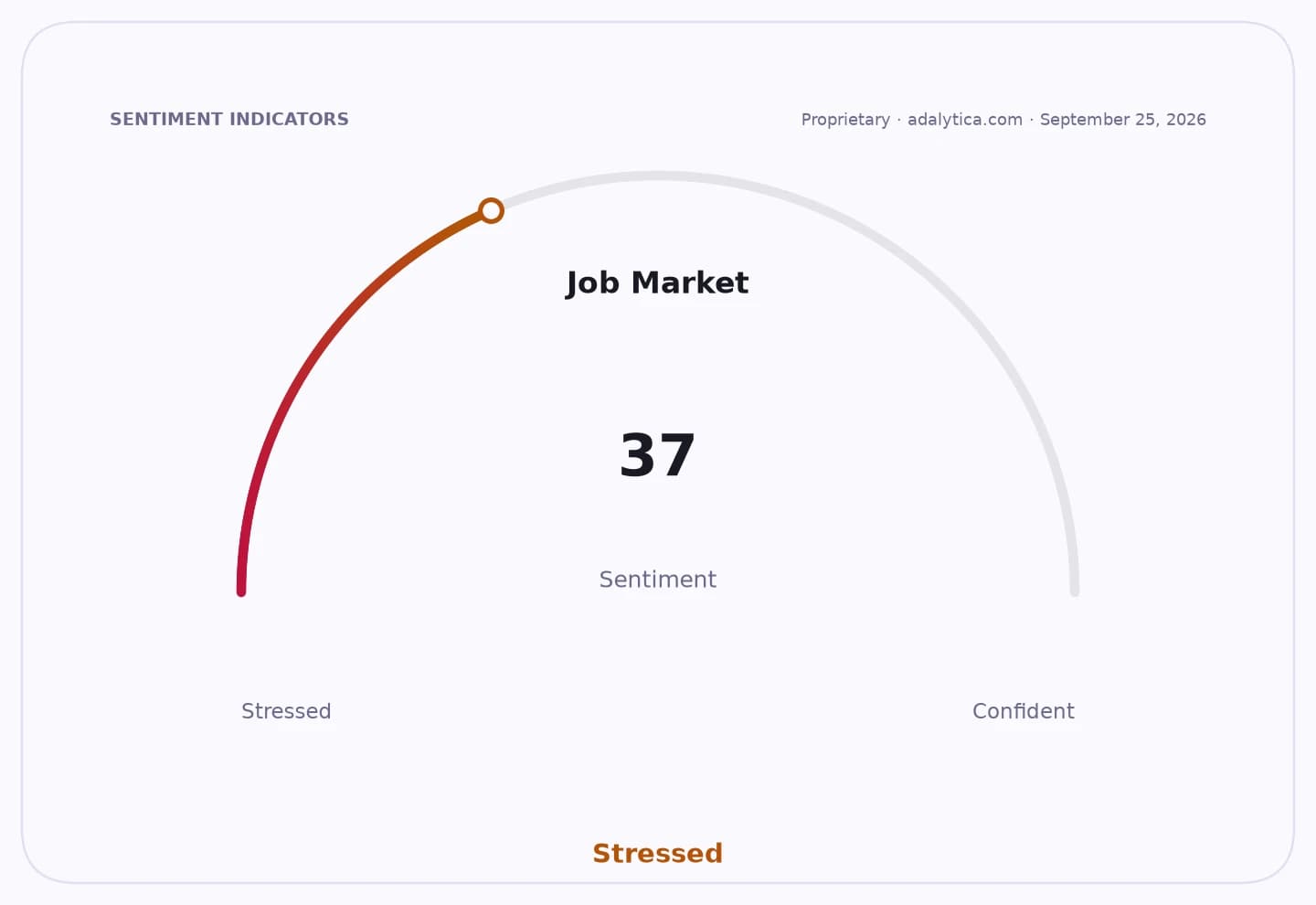
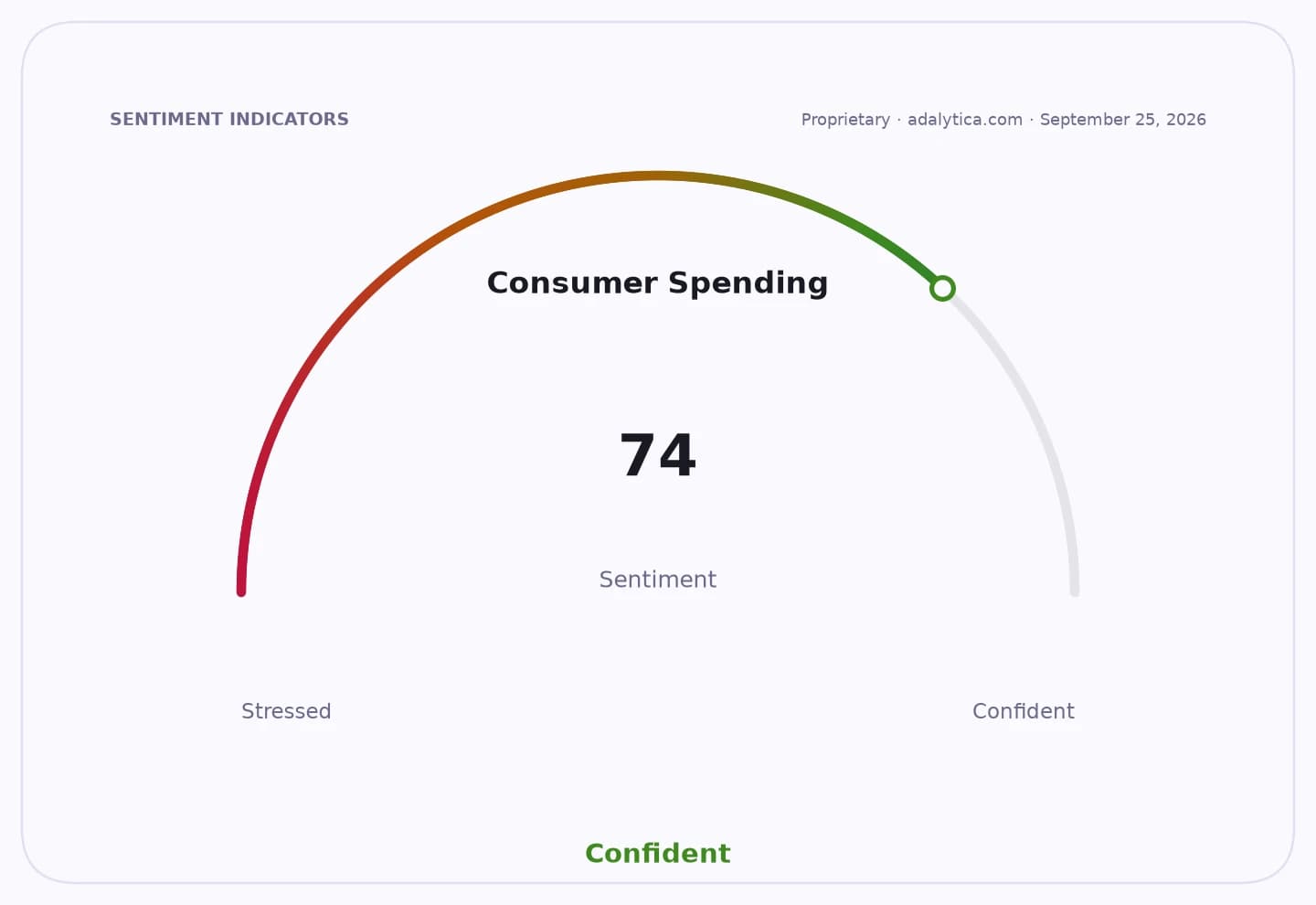
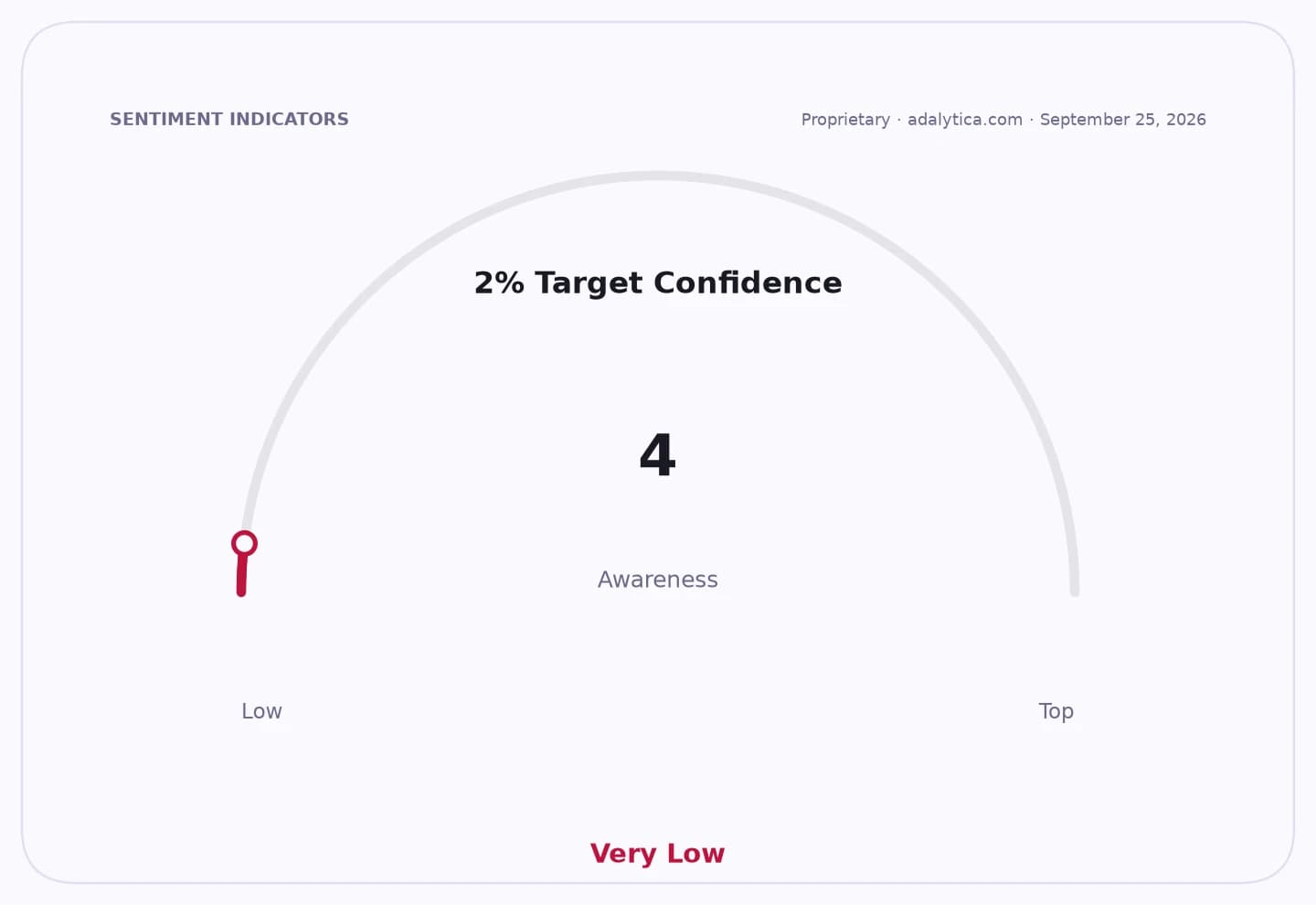
The Dominican central bank’s decision to raise the rate used to count state Treasury deposits toward banks’ loan-to-deposit ratios to 50% is a small technical change with a big practical effect: it should make balance sheets look more liquid, free up lending capacity and give policymakers another lever to steady a banking system that is still leaning on central bank support.
Dominican Banks Get 50% Treasury Deposit Relief
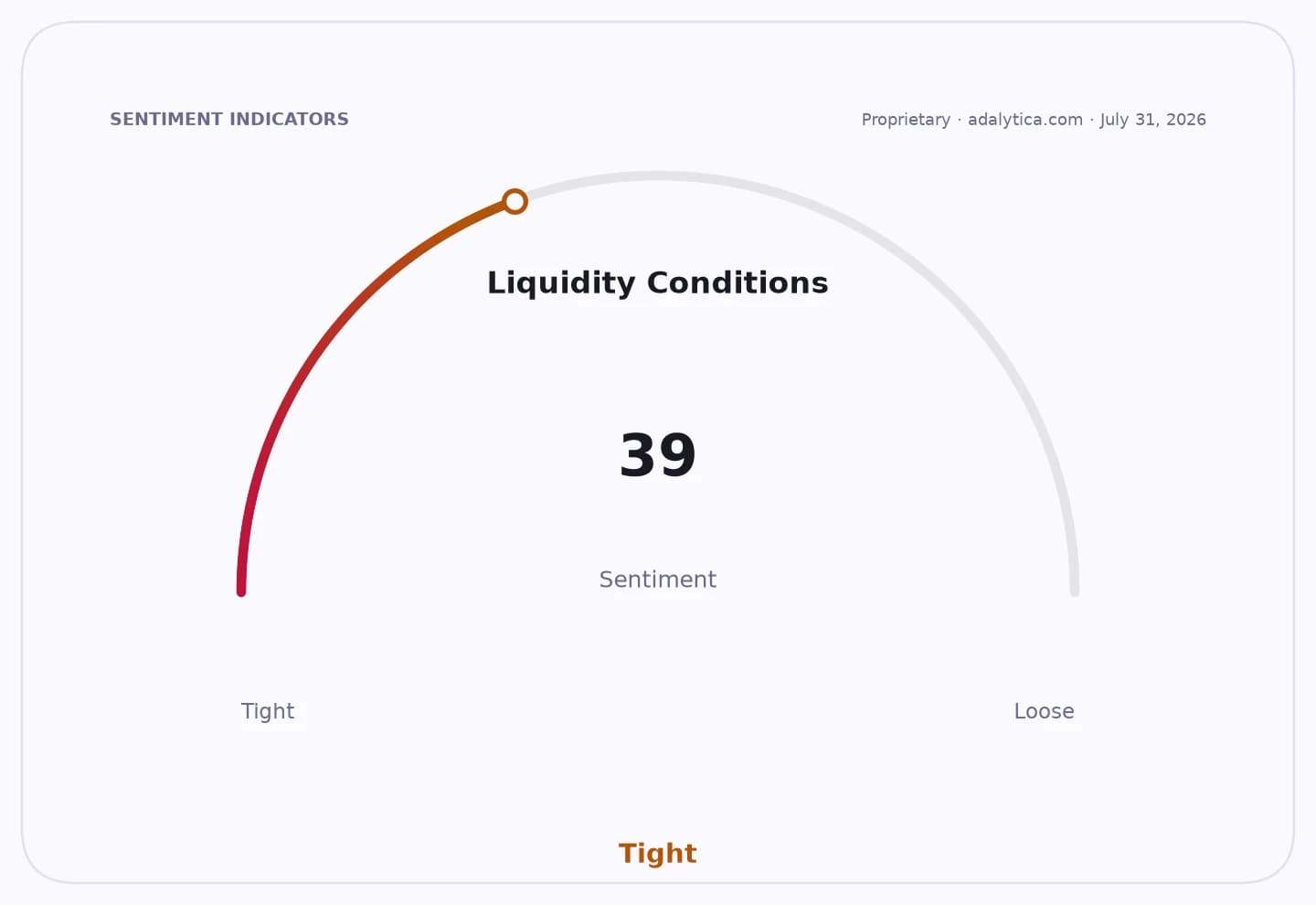
For investors, that matters because liquidity policy is often where banking stress shows up first. When regulators adjust what counts as a stable deposit base, they are effectively changing how much room banks have to lend, fund themselves and absorb shocks. In a system already under scrutiny for tight liquidity conditions, the move suggests authorities want to prevent a credit squeeze without having to flood the market with blunt stimulus.
Sentiment IndicatorsⓘProprietary · adalytica.com · July 31, 2026
This is a snapshot — live sentiment, awareness and momentum for 130+ markets update continuously in the dashboard.Open AlphaPulse
The broader economic backdrop helps explain the timing. The Dominican central bank has been trying to support exchange-rate stability and manage liquidity while critics have argued that funding conditions remain restrictive. External reserves have improved, but the banking system still appears reliant on official backstops. By allowing more of the state’s Treasury balances to be recognized in loan-to-deposit calculations, regulators are easing a constraint that can otherwise force banks to hoard cash or slow credit growth.
That has direct implications for growth. Banks that can report stronger deposit coverage can usually extend more loans, and in an economy where private credit is a key transmission channel for monetary policy, that can help keep commerce, consumer spending and investment from stalling. It also reduces the odds that otherwise healthy banks are penalized by accounting rules that do not fully reflect the stability of government deposits.
For markets, the signal is that policymakers are prioritizing financial-system calm over hard-nosed balance-sheet tightening. That tends to favor lenders and broader credit-sensitive assets, while it may be less welcome for those betting on a sharper liquidity squeeze. In the long run, though, the key question is whether this is a bridge to a more normal funding environment or the first sign that authorities need to keep fine-tuning liquidity rules to maintain stability.
Investors should watch whether the measure is followed by more deposit-rule changes, reserve adjustments or direct liquidity operations. If the banking system keeps improving without heavy intervention, that would be constructive for credit growth and financial assets. If not, it would confirm that liquidity remains the market’s most important pressure point.
| Entity | Gains | Losses |
|---|---|---|
| Dominican banks | ▲More lending capacity | ▼Less balance-sheet pressure |
| State Treasury deposits | ▲Higher regulatory recognition | ▼Less restrictive treatment |
| Borrowers and businesses | ▲Easier credit access | ▼Tighter funding constraints |
| Liquidity short sellers | ▲Weaker squeeze thesis | ▼Lower stress trade payoff |