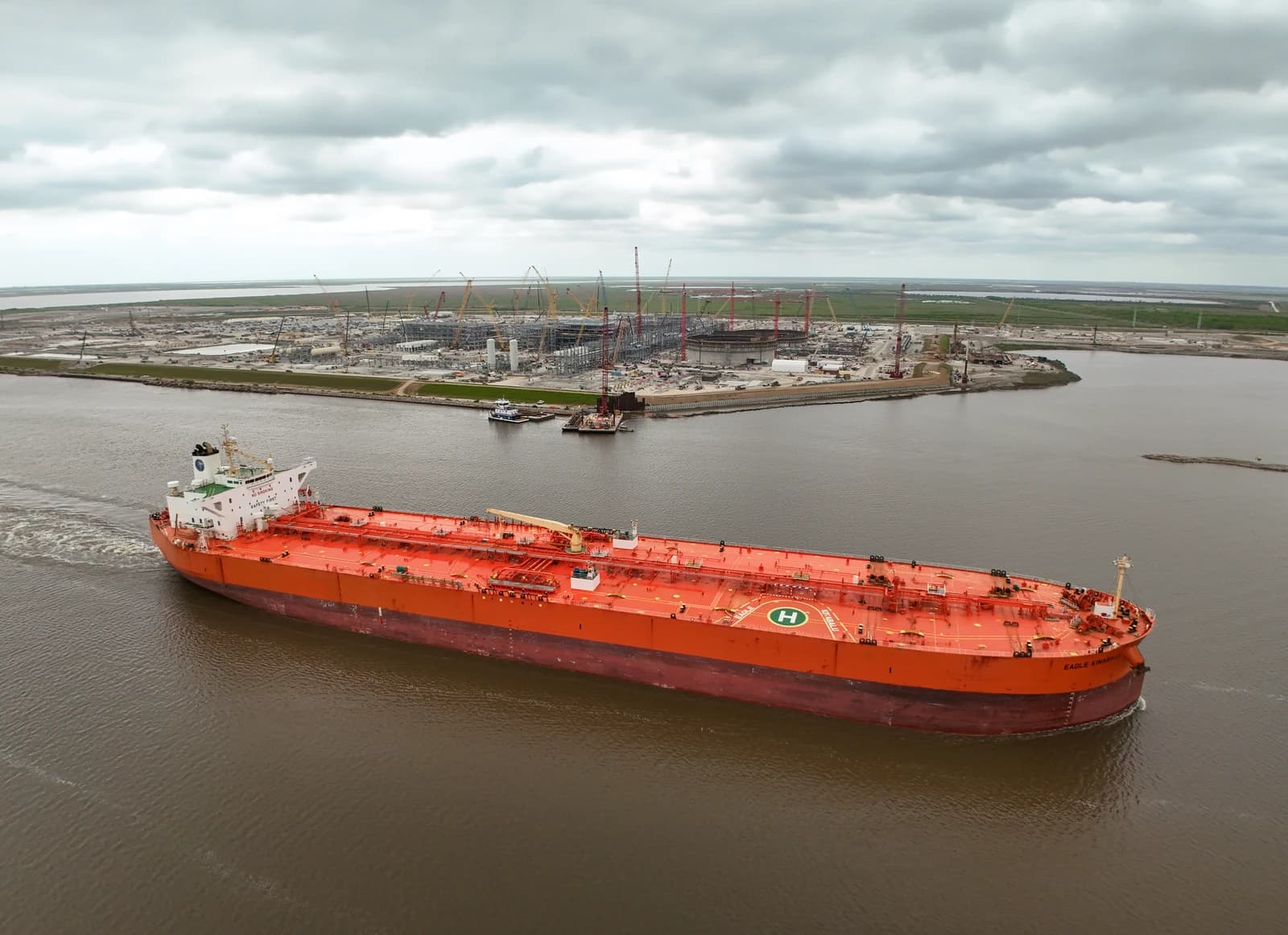
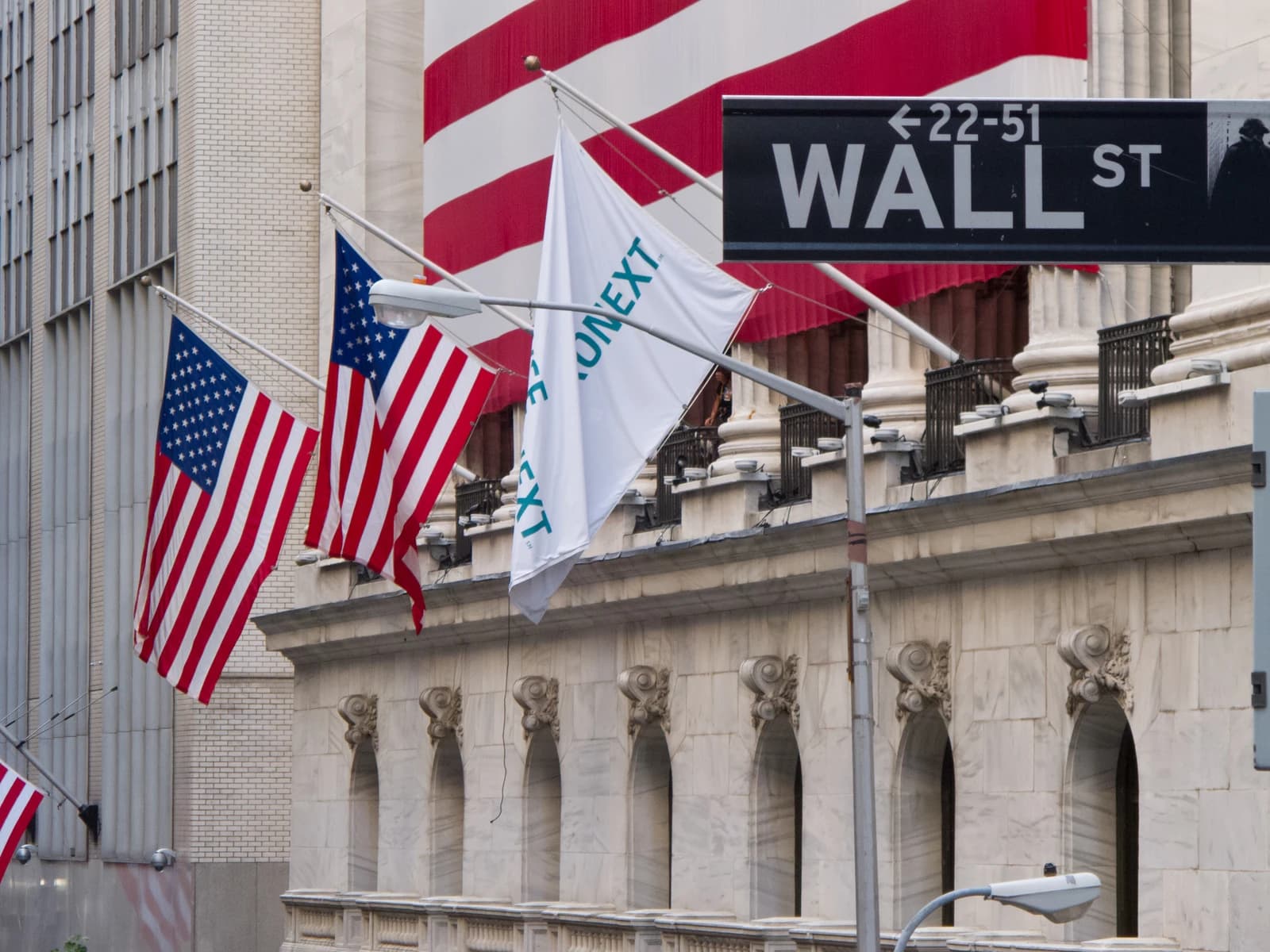
The Dow Jones Industrial Average slipped 60.95 points as investors priced in the chance that the Iran war becomes longer, costlier and more disruptive to energy markets.
Dow Falls 60.95 as Iran War Spurs Oil Risk
That matters because a protracted conflict in the Middle East is not just a headline risk; it is a direct tax on growth, a possible boost to inflation and a test of how much geopolitical stress the market can absorb while U.S. rates stay elevated. Oil is already the most obvious transmission channel. U.S. crude is forecast to rebound to about $84.71 a barrel on Aug. 4 after recent swings, keeping pressure on transport, industrial and consumer margins if the conflict threatens shipping lanes or supply discipline in the region.
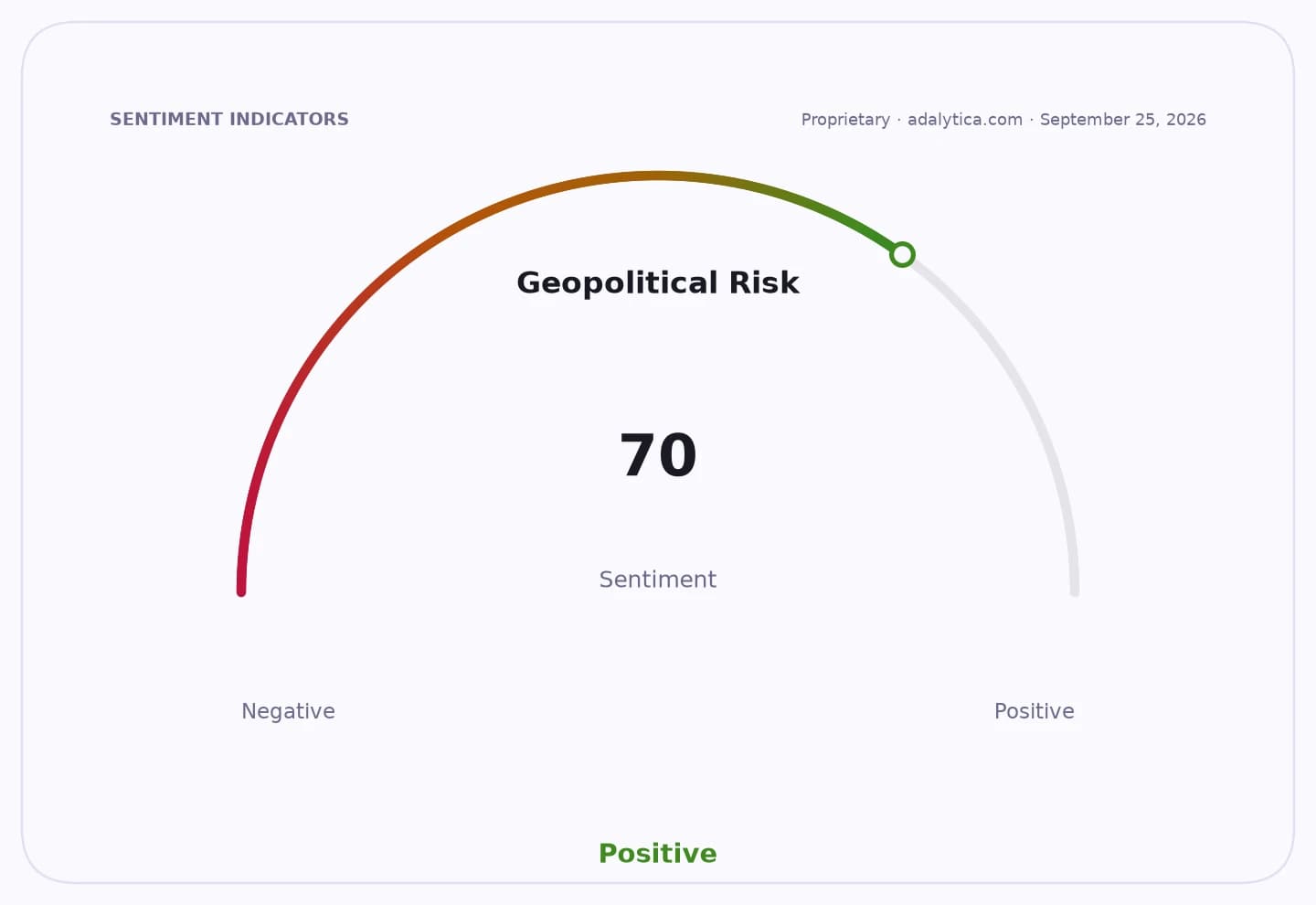
Sentiment IndicatorsⓘProprietary · adalytica.com · August 10, 2026
This is a snapshot — live sentiment, awareness and momentum for 130+ markets update continuously in the dashboard.Open AlphaPulse

The bond market is sending the same warning. The 10-year Treasury yield sits near 4.65%, a level that leaves equities vulnerable if oil-driven inflation keeps the Federal Reserve from easing quickly. Fed funds are expected around 3.63%, but with growth and policy still restrictive, higher energy costs can do the damage before the central bank moves. That is why a relatively modest Dow decline can still carry outsized significance: it reflects investors beginning to discount a tougher mix of slower growth, firmer prices and weaker risk appetite.
The market action also shows where capital is rotating. The S&P 500 remains in what Adalytica.com classifies as “Extreme Greed,” but the dollar has surged to “Extreme Greed” too, a classic defensive response when investors seek liquidity and shelter. That combination tends to favor cash, energy producers, defense names and companies with pricing power, while penalizing airlines, shippers, consumer discretionary stocks and parts of manufacturing with heavy fuel exposure.
Semiconductor stocks are especially exposed to the second-order effects. Intel and Nvidia have both been volatile, and while the long-term AI buildout remains intact, the market is still willing to sell growth names when geopolitical risk collides with higher yields and a stronger dollar. Intel’s filing already flags geopolitical tensions, including the conflict with Iran, as a risk to demand and margins. For investors, that is the key point: the Iran war is no longer a distant macro concern. It is feeding directly into energy, rates, currencies and equity leadership.
Our thesis is that the market is underestimating the durability of this shock. If the conflict drags on, the trade is not simply “buy oil.” The bigger opportunity is to own the infrastructure and security beneficiaries that gain from persistent geopolitical stress: energy producers, energy transport, defense contractors, cybersecurity, and select industrials tied to rearmament and supply-chain hardening. The losers are the rate-sensitive, fuel-sensitive and valuation-sensitive names that depend on calm conditions and cheap capital.
For now, the Dow’s drop is a reminder that war risk is becoming a market variable, not a background noise. If Iran stays at the center of a prolonged regional conflict, investors should expect more volatility, firmer crude, a stronger dollar and a widening gap between the winners of scarcity and the losers of disruption. Position early, because the market usually reprices these regimes faster than consensus does.
| Entity | Gains | Losses |
|---|---|---|
| Energy producers | ▲Higher crude prices | ▼Margin pressure from fuel shocks |
| Defense stocks | ▲Replenishment demand | ▼Peace dividend trades |
| Dollar bulls | ▲Safe-haven bid | ▼Multinational exporters |
| Airlines and transport | ▲— | ▼Higher fuel and freight costs |