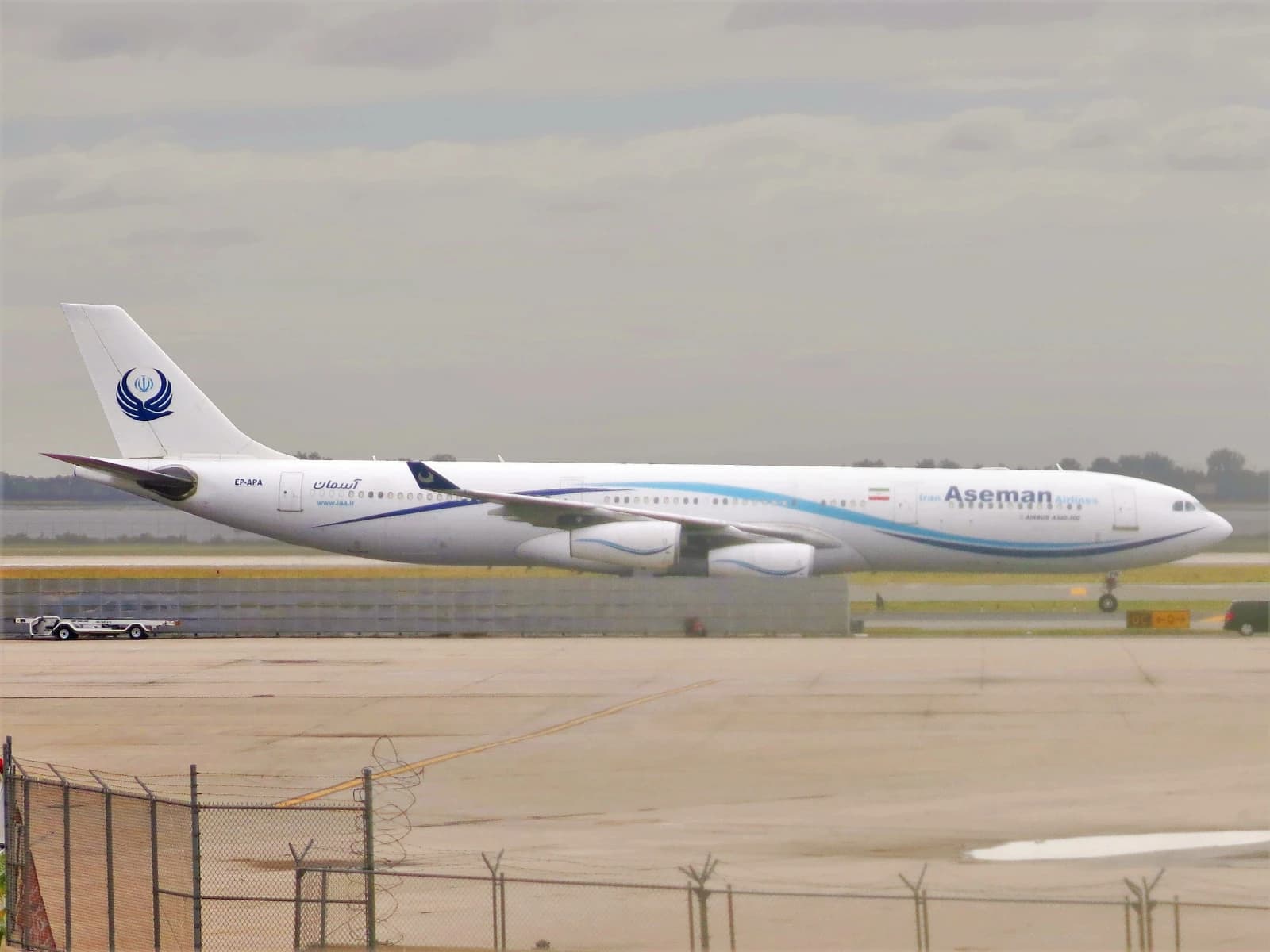
Du’s refreshed roaming packages for the summer travel season matter less as a seasonal marketing tweak than as a signal that Gulf telecom operators are fighting harder for outbound travel revenue while trying to blunt the long-running drag from roaming price competition. For investors, the key question is whether better packaged international roaming can lift average revenue per user, improve retention and protect margins in a market where connectivity is becoming more commoditised.
Du Roaming Push Targets Summer Travel Revenue
The broader economic backdrop helps explain the timing. Summer travel is typically a peak period for regional carriers because customers are more willing to pay for seamless data access abroad, especially as mobile usage shifts from voice to high-bandwidth streaming, messaging and navigation. That makes roaming one of the few consumer services where operators can still monetize urgency and convenience rather than pure connectivity. It also comes as travelers show stronger appetite for uninterrupted service and less tolerance for bill shock, encouraging carriers to bundle allowances, cap charges and market roaming as a premium but predictable product.
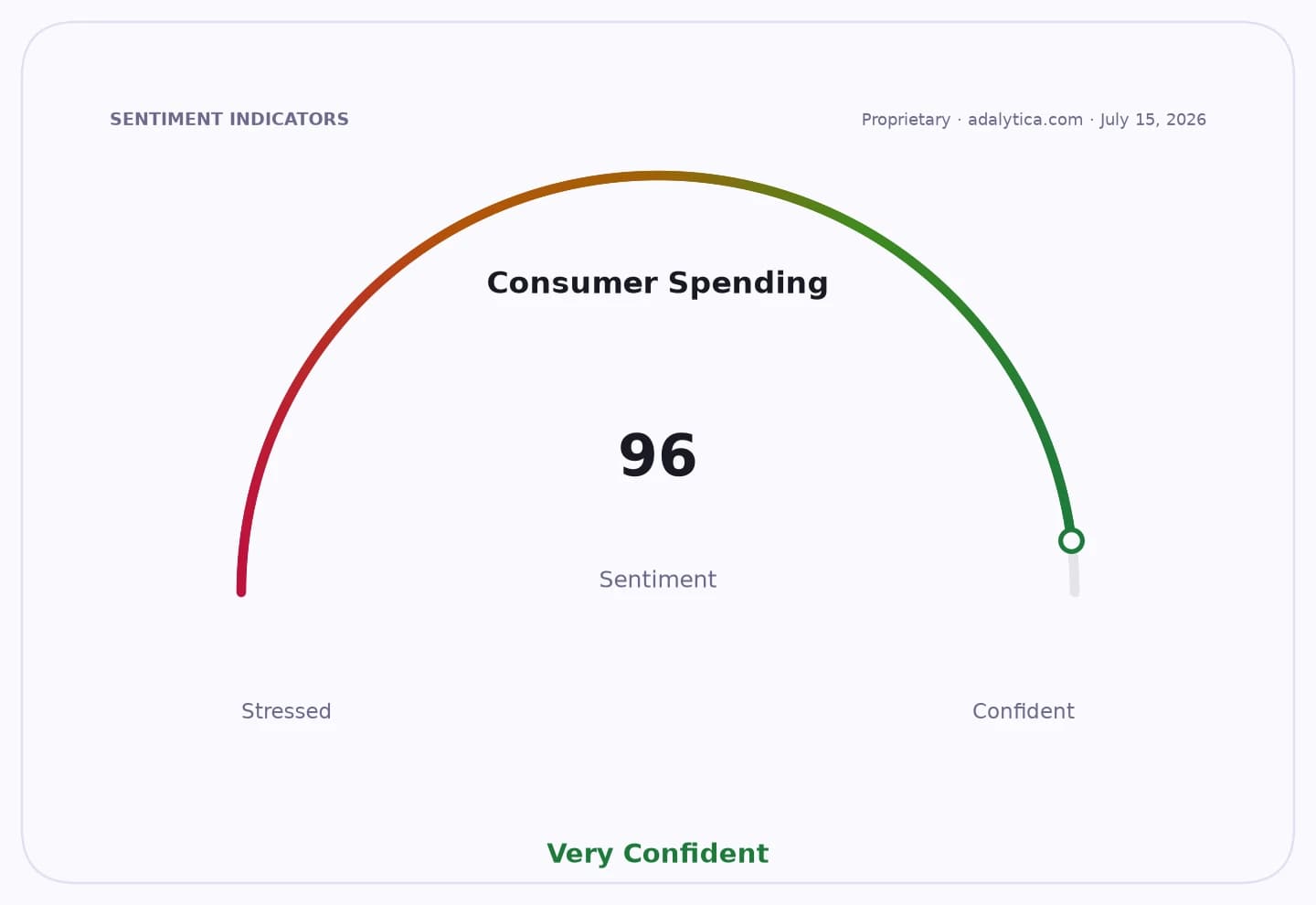
Sentiment IndicatorsⓘProprietary · adalytica.com · July 15, 2026
This is a snapshot — live sentiment, awareness and momentum for 130+ markets update continuously in the dashboard.Open AlphaPulse
Across the telecom sector, the move reflects a wider attempt to defend a fading legacy revenue stream. Mobile roaming has been under pressure for years from regulators, carrier alliances and consumer expectations that push toward lower fees or even free cross-border use. Recent efforts elsewhere to eliminate or reduce roaming charges underscore how operators are being forced to compete on value, not just coverage. That leaves room for incumbents with strong regional networks and international partnerships to differentiate, but only if they can keep price-sensitive customers from defecting to WiFi, eSIM providers or foreign prepaid alternatives.
The investor relevance is straightforward. Better roaming offers can marginally support service revenue and customer stickiness, particularly among higher-income and business-heavy segments that travel often and are less sensitive to incremental charges. The bull case is that seasonal roaming bundles deepen engagement, lift usage and reinforce brand loyalty without meaningfully increasing capital intensity. The bear case is that the product is mostly defensive: it may protect share, but it will not materially change the earnings trajectory if domestic pricing remains competitive and wholesale roaming economics continue to narrow.
That tension is what makes Du’s announcement more interesting than it first appears. Telecom stocks are being judged on how well they can replace mature revenue with higher-value services, and roaming remains one of the last consumer offerings where pricing power can still show up in a visible, quarterly way. If the refreshed packages gain traction, they could modestly improve summer traffic and revenue mix; if not, they will simply confirm that roaming is becoming a necessary convenience rather than a profit engine.
| Entity | Gains | Losses |
|---|---|---|
| Du | ▲Higher roaming revenue, better retention | ▼More pricing pressure |
| Travellers | ▲Cheaper, simpler connectivity | ▼Less room for bill shock |
| Rivals without strong roaming deals | ▲None | ▼Share loss risk |
| WiFi/eSIM substitutes | ▲None | ▼More competition from carrier bundles |