Dubai’s property market is holding up despite renewed regional tensions, underscoring how far the emirate’s real-estate cycle has become tied to long-term capital inflows rather than short bursts of geopolitical risk.
Dubai Property Resilient Despite Regional Tensions
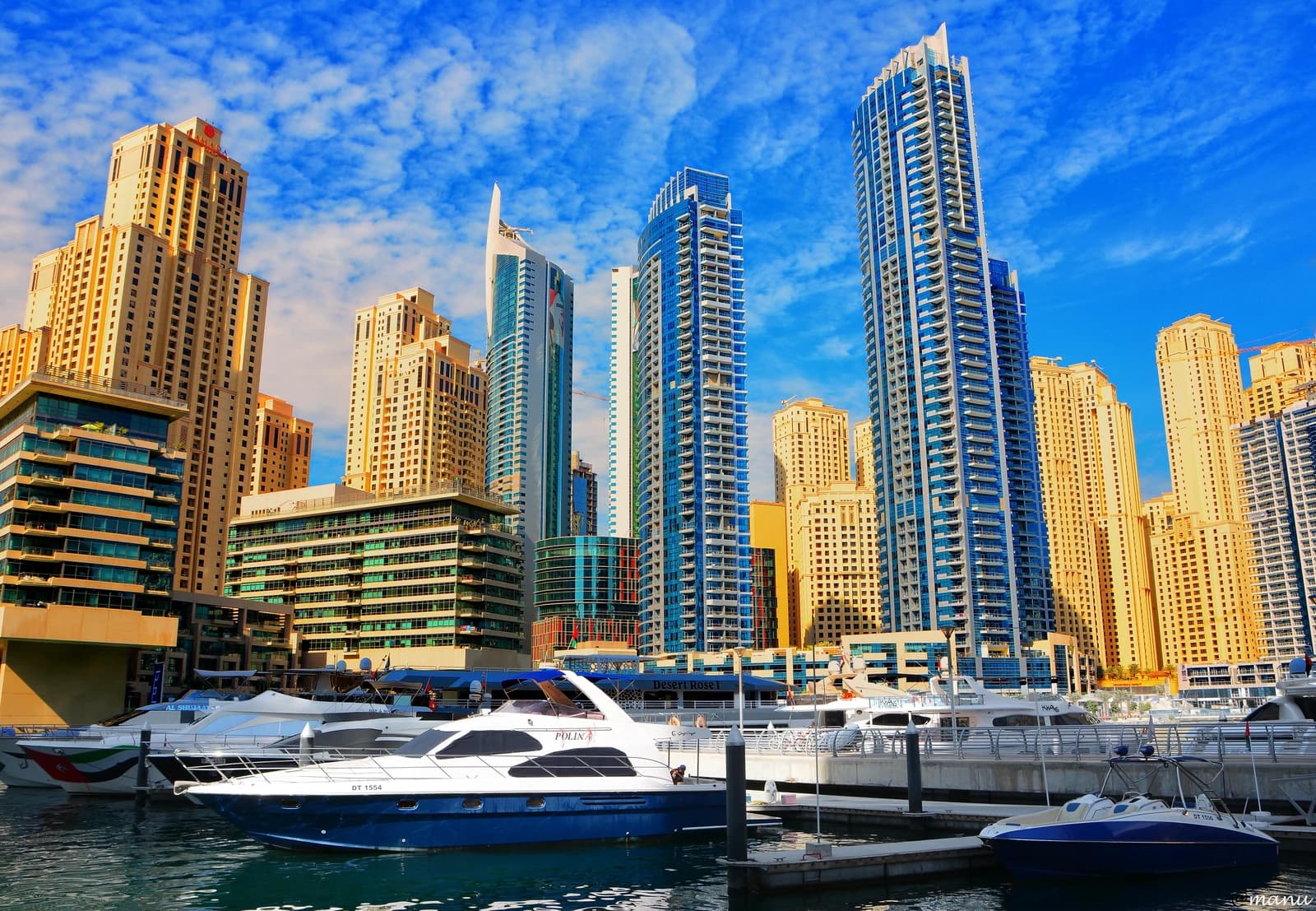
That matters because Dubai has become one of the Gulf’s most important asset markets, drawing buyers from Europe, Russia, Asia and across the Middle East on the back of tax advantages, residency incentives and still-strong economic growth. If conflict in the region were starting to unsettle buyers, it would likely show up first in luxury transactions, off-plan demand or a pause in foreign inquiries. Betterhomes’ assessment that there has been no immediate impact suggests those flows are still intact, at least for now.
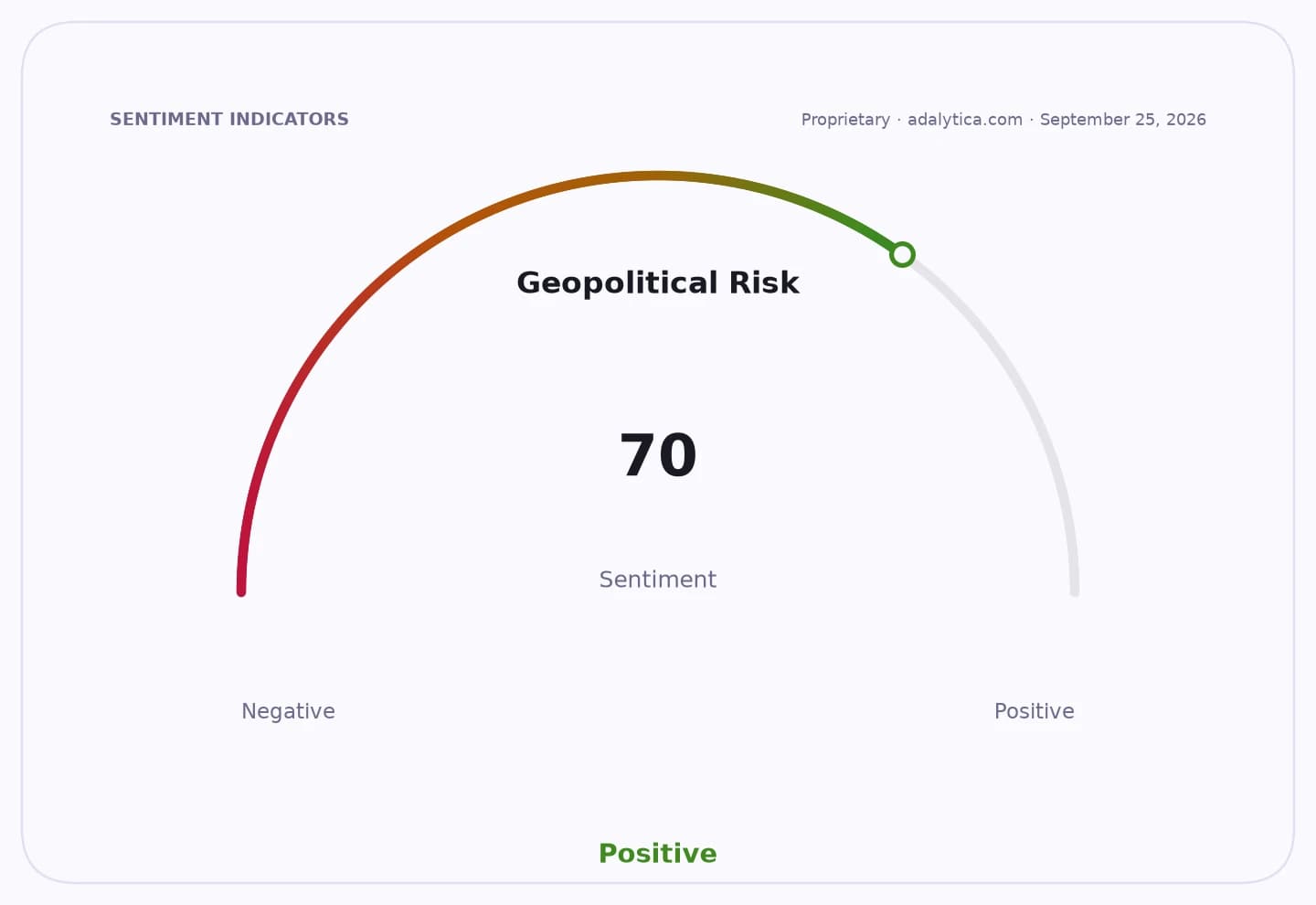
Sentiment IndicatorsⓘProprietary · adalytica.com · July 18, 2026
This is a snapshot — live sentiment, awareness and momentum for 130+ markets update continuously in the dashboard.Open AlphaPulse
The resilience also fits a broader market backdrop that has not yet turned defensive. Brent crude remains elevated after swinging sharply higher in recent weeks, a reminder that geopolitical shocks can quickly feed through to the Gulf economy. But higher oil alone does not automatically translate into weaker Dubai housing demand. For many investors, the emirate still looks like a relative safe haven inside an uncertain region, with the property market supported by population growth, business formation and a deep pipeline of overseas buyers.
Equity market signals point the same way. The UAE market has recently been trading close to its 50-day and 200-day moving averages, while momentum indicators such as RSI have cooled from earlier overbought readings, a sign of consolidation rather than stress. That is consistent with a market digesting macro uncertainty without repricing for a disorderly slowdown. In the United States, the S&P 500’s Adalytica sentiment remains neutral, while the dollar’s trade signals are also neutral, suggesting global investors are not yet rushing into a full risk-off posture that would normally hit cross-border property sentiment.
For Dubai developers, brokers and landlords, the key question is whether this proves to be a temporary pause or the start of a slower second half. A sustained escalation in tensions could still affect travel, financing conditions and high-end discretionary purchases, especially if oil volatility spills into global risk assets. But the immediate read-through is that Dubai’s housing market is still being driven more by structural demand than by regional headlines.
For investors, that means Dubai real estate remains a differentiated Gulf trade: exposed to geopolitical risk, but not yet dominated by it. The next signals to watch are transaction volumes, off-plan absorption and whether foreign buying interest holds up if crude prices stay volatile and the regional security backdrop worsens.
| Entity | Gains | Losses |
|---|---|---|
| Dubai brokers/developers | ▲Stable demand | ▼Geopolitical volatility |
| Foreign buyers | ▲Tax haven appeal | ▼Event-driven hesitation |
| Landlords | ▲Pricing power intact | ▼Risk of softer inflows |
| Regional risk sellers | ▲No immediate dislocation | ▼Less panic premium |