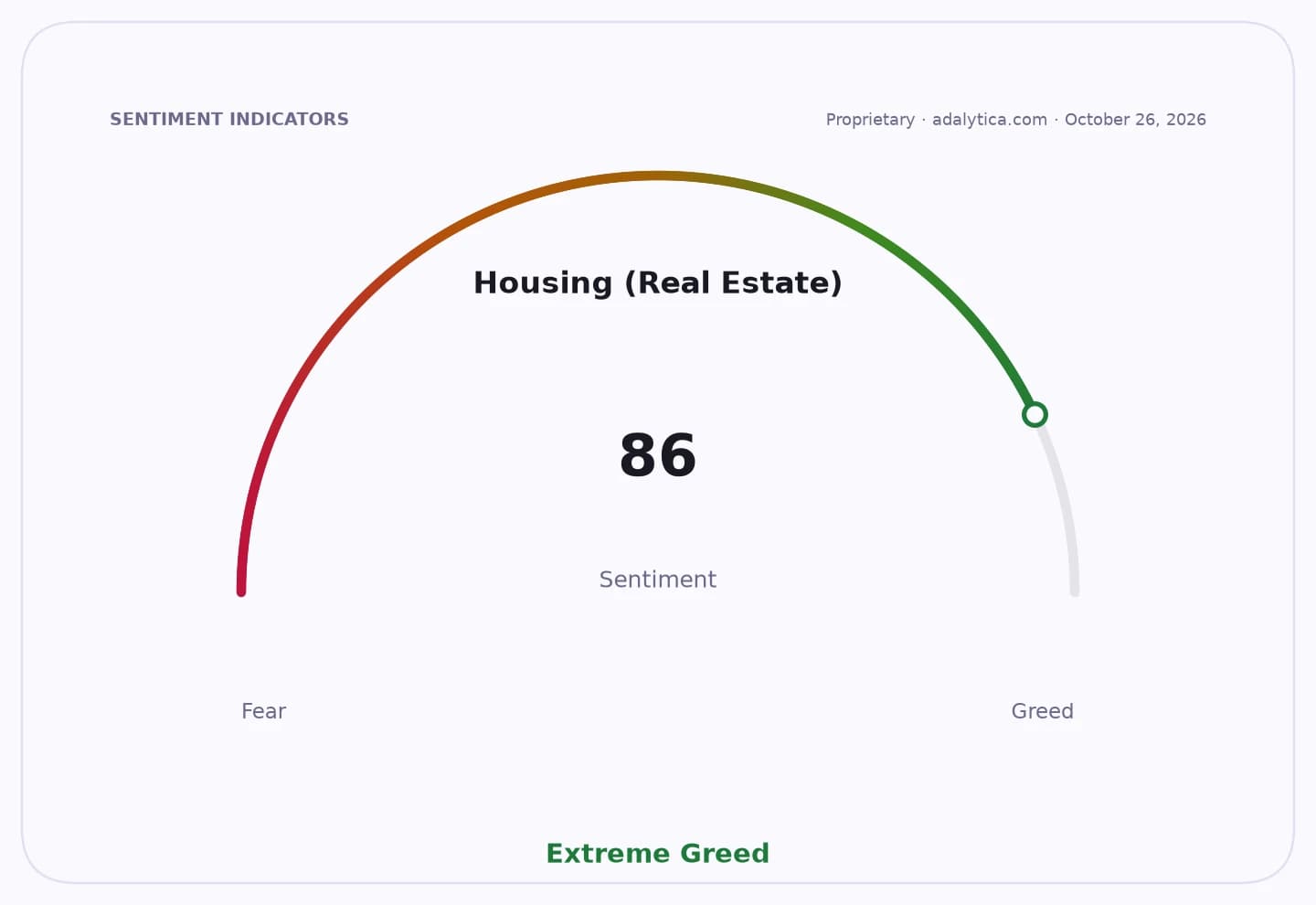
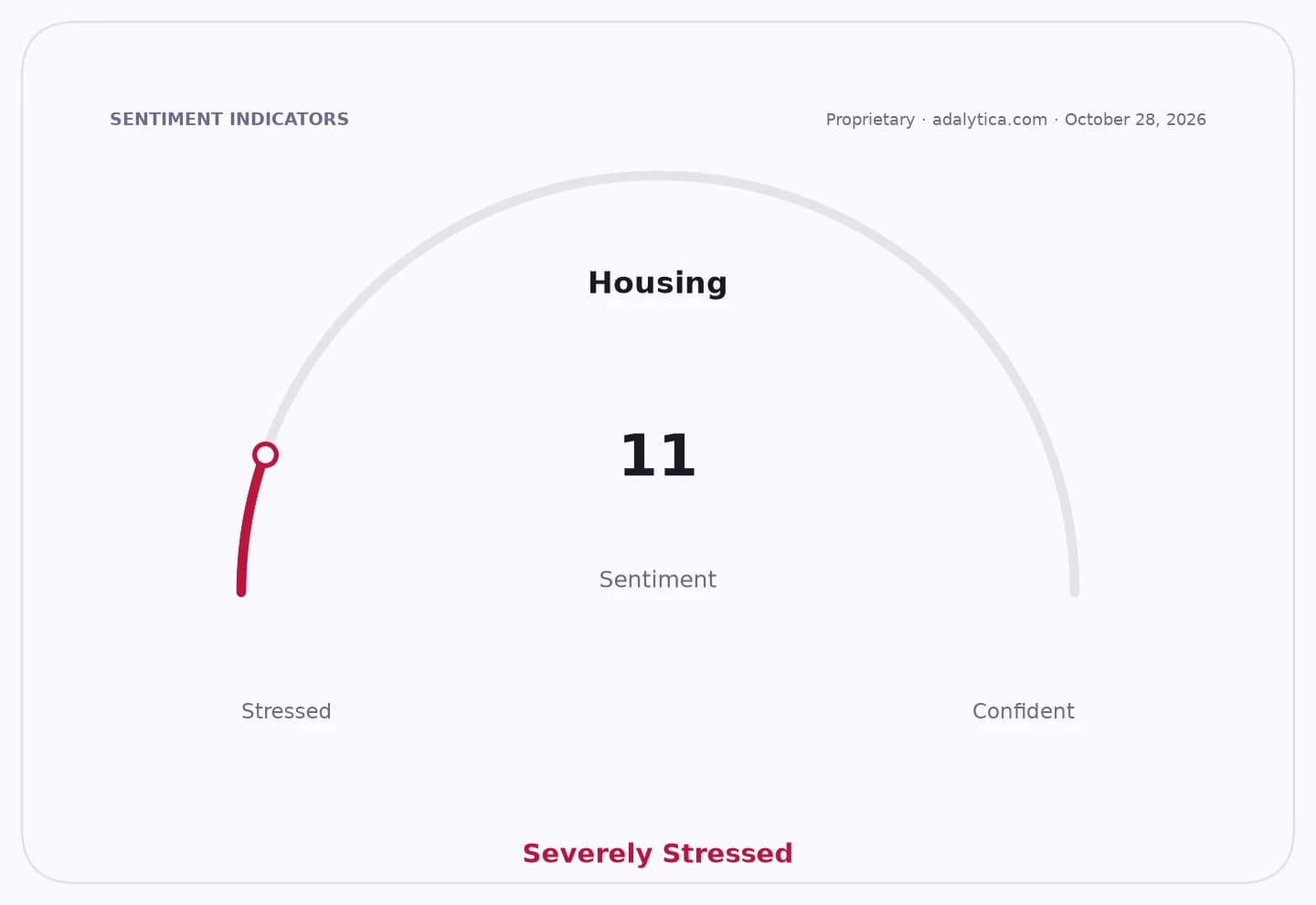
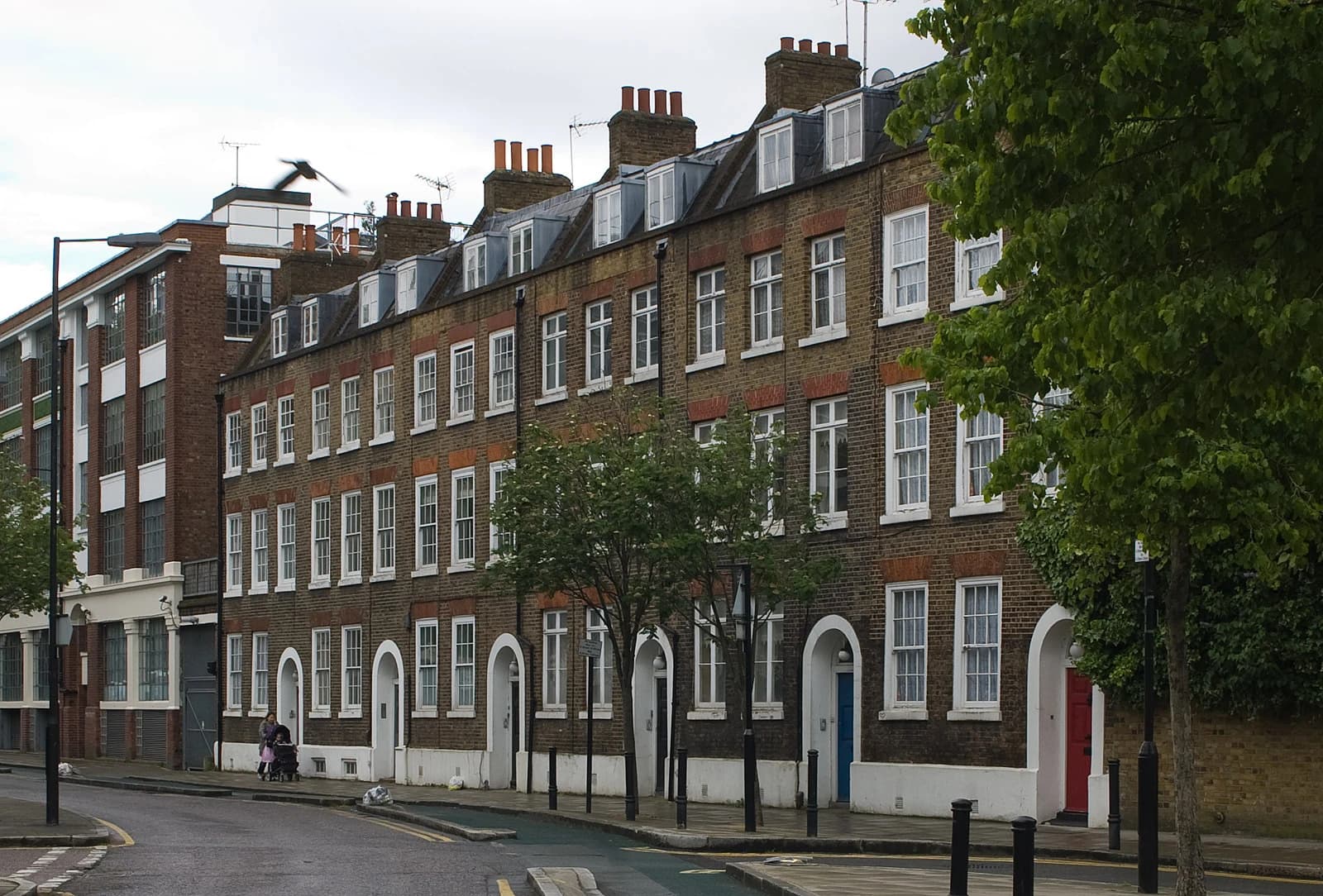
Dutch existing-home prices continued to rise in September, but the pace slowed further as higher borrowing costs and a larger supply of homes on the market eased the intensity of the housing boom.
Dutch existing-home prices rise 2.9% in September
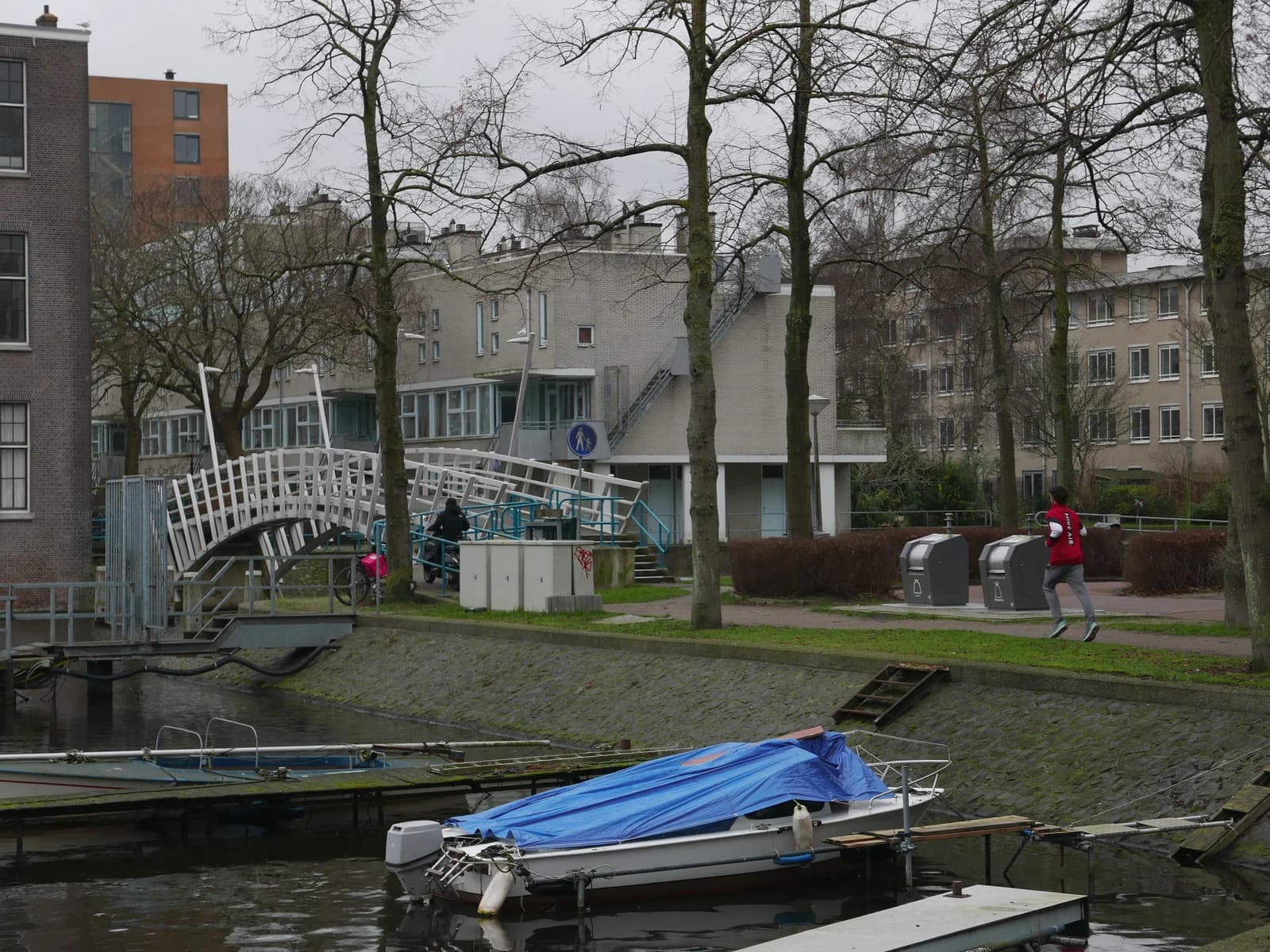
Statistics Netherlands said prices were 2.9% higher than a year earlier, down from 3.3% in August and 3.9% in July, while the average existing home cost 504,658 euros. Prices fell 0.4% from August, a sign that the market is losing some momentum after a prolonged run-up that has stretched affordability across much of the country.
The slowdown matters because Dutch housing remains one of the clearest channels through which monetary policy is affecting households. Elevated interest rates limit how much buyers can borrow, narrowing the pool of qualified purchasers and reducing the pace at which prices can be bid up. At the same time, more homes entering the market — including properties formerly used as rentals — are helping to increase supply. That combination is beginning to restrain price growth even though absolute values remain extremely high.
For the broader economy, the moderation may offer some relief to would-be buyers and policymakers worried about overheating, but it does not mean housing has become affordable. An average price above 500,000 euros keeps entry costs heavy and preserves pressure on rents, wages and household balance sheets. The continued rise in prices also means many owners are still sitting on paper gains, supporting consumer wealth even as first-time buyers remain squeezed.
The regional picture remains uneven. Provinces such as Friesland and Drenthe saw stronger gains than some other parts of the country, while Amsterdam lagged larger peers, reflecting a market that is still being shaped by local supply constraints, investor behavior and affordability limits rather than a single national trend.
For investors, the data reinforce the view that Dutch housing is transitioning from a rapid appreciation phase to a slower, rate-sensitive market. That is constructive for buyers waiting for relief, but it also suggests developers, lenders and landlords will face a more selective environment. The key test in coming months will be whether lower price momentum turns into a broader cooling, or whether chronic supply shortages keep keeping Dutch homes expensive even as annual gains fade.
| Entity | Gains | Losses |
|---|---|---|
| Dutch homebuyers | ▲Slightly slower price growth | ▼Still-high affordability burden |
| Existing homeowners | ▲Continued equity gains | ▼Less rapid appreciation |
| First-time buyers | ▲Some easing in pace of increases | ▼Average price remains out of reach |
| Lenders and developers | ▲Stable demand base | ▼Rate-sensitive, more selective market |