A sharp jump in the interest charged on Dutch student debt is about to shave thousands of euros off home-loan capacity for more than 250,000 former students, adding a fresh drag to an already strained housing market.
Dutch student debt interest cuts home loans
That matters because mortgage affordability is the gatekeeper to first-time homeownership. When a borrower’s student-loan payment rises, banks treat that as less income available for housing, reducing the maximum mortgage they can extend. For younger households already facing high prices and tight supply, even a modest cut in borrowing power can decide whether a purchase happens at all.
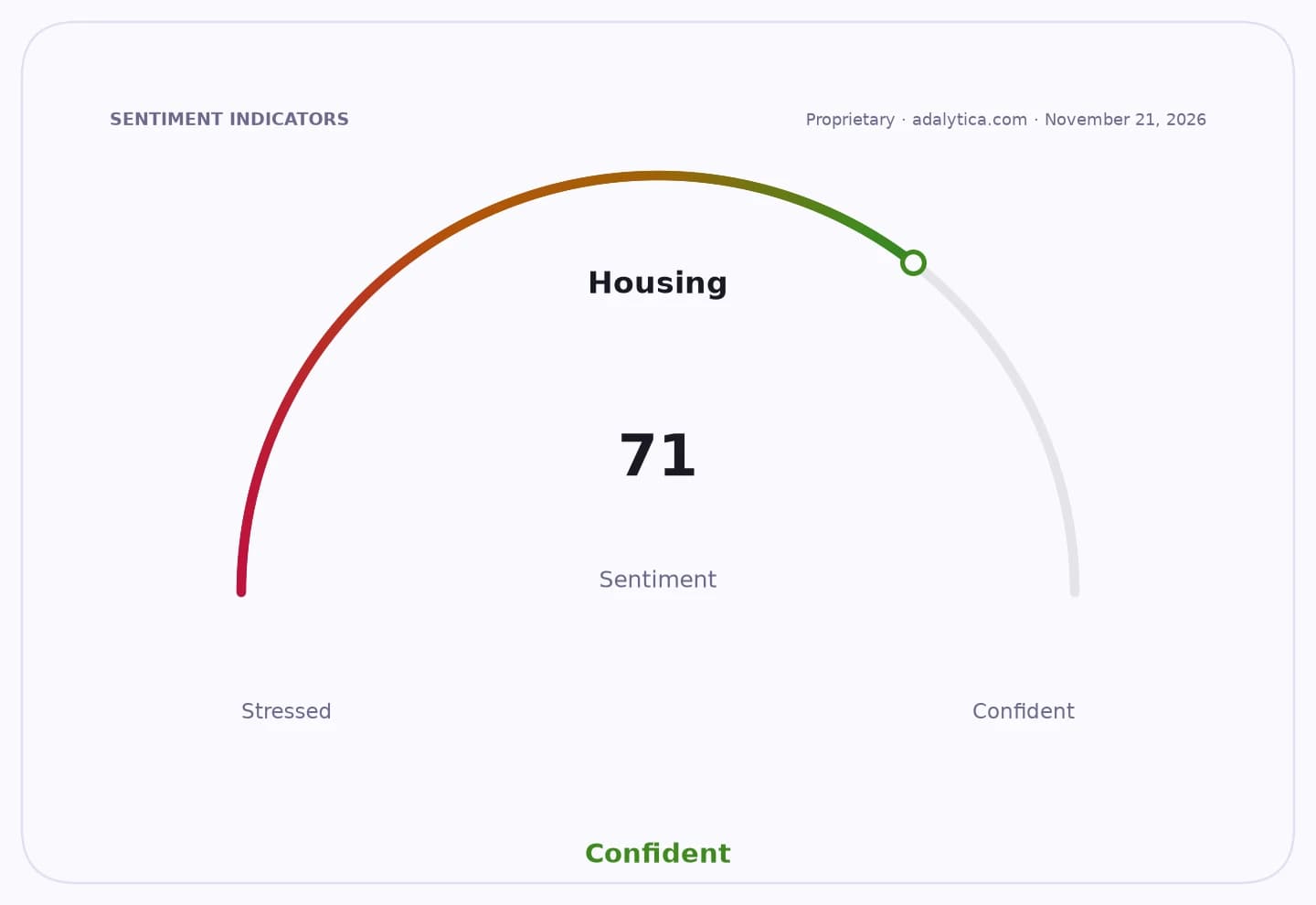
Sentiment Indicators
Independer, the Dutch comparison site, says a single borrower earning €45,000 a year who owes €40,000 in student debt and repays it over 15 years could see monthly payments rise from about €220 to €260 when the interest rate resets to 3.28% from zero in January. In that example, the maximum mortgage falls by roughly €10,000 to €140,000, from about €205,000 without the debt.
The hit is not limited to shorter repayment schedules. A borrower repaying over 35 years could still lose about €11,000 in mortgage room, with the higher student-loan interest lifting monthly costs from roughly €95 to €140. For buyers at the margin, that is a meaningful amount in a market where every euro of borrowing power counts.
The bigger economic story is that student debt, which was long marketed as manageable and in some years effectively free in the Netherlands, is now behaving more like a conventional liability tied to capital-market rates. The Dutch government stopped offering interest-free student lending in 2023 as funding costs rose. Because the rate is fixed for five years at a time, a wave of former students is now rolling onto much higher charges as old deals expire.
That is exactly the kind of hidden tightening that can cool housing demand without a formal rate hike from the central bank. It also helps explain why mortgage affordability can deteriorate even if wages are steady: household balance sheets are getting squeezed from another direction.
For investors, the implications run through Dutch housing, lenders and mortgage-related businesses. Anything tied to transaction volumes, refinancing activity or first-time buyer demand stands to feel the strain if affordability weakens further. The pressure also underscores why lenders scrutinize debt service so closely when extending credit: student loans may not be in default, but they still reduce lending capacity in a very direct way.
There is a political angle too. The cabinet had previously considered fixing student-loan interest at 2.5% from 2029, but says that would be too expensive. That leaves borrowers exposed to market rates and keeps the housing effect alive for years, not months.
For long-term investors, the lesson is straightforward: in housing markets, affordability is often determined by the smallest monthly payments. Rising student-loan interest may look like a niche policy change, but it can quietly remove thousands of euros from a buyer’s budget and keep pressure on the Dutch housing market. Worth watching.
| Entity | Gains | Losses |
|---|---|---|
| Dutch government | ▲Lower fiscal costs | ▼More borrower backlash |
| Lenders/housing market | ▲Tighter credit discipline | ▼Fewer qualified buyers |
| Former students without debt | ▲No direct hit | ▼Lower mortgage capacity |
| First-time home sellers | ▲Fewer price-pressured bids | ▼Smaller buyer pool |