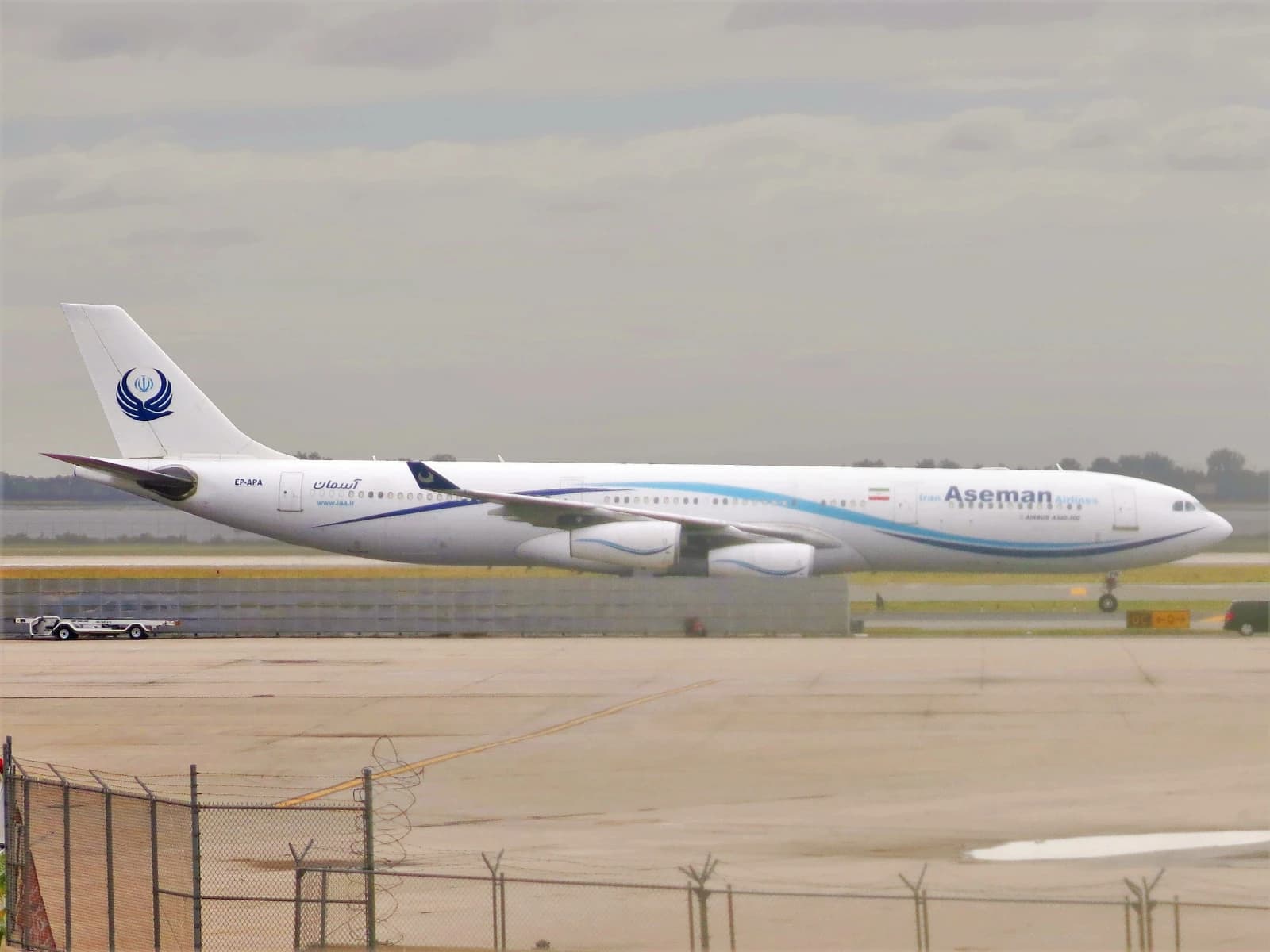
Freight and passenger transportation continued to expand across the Eurasian Economic Union, a sign that domestic and regional activity is still moving even as broader growth expectations in Russia and China deteriorate.
EAEU Transport Growth Signals Regional Resilience
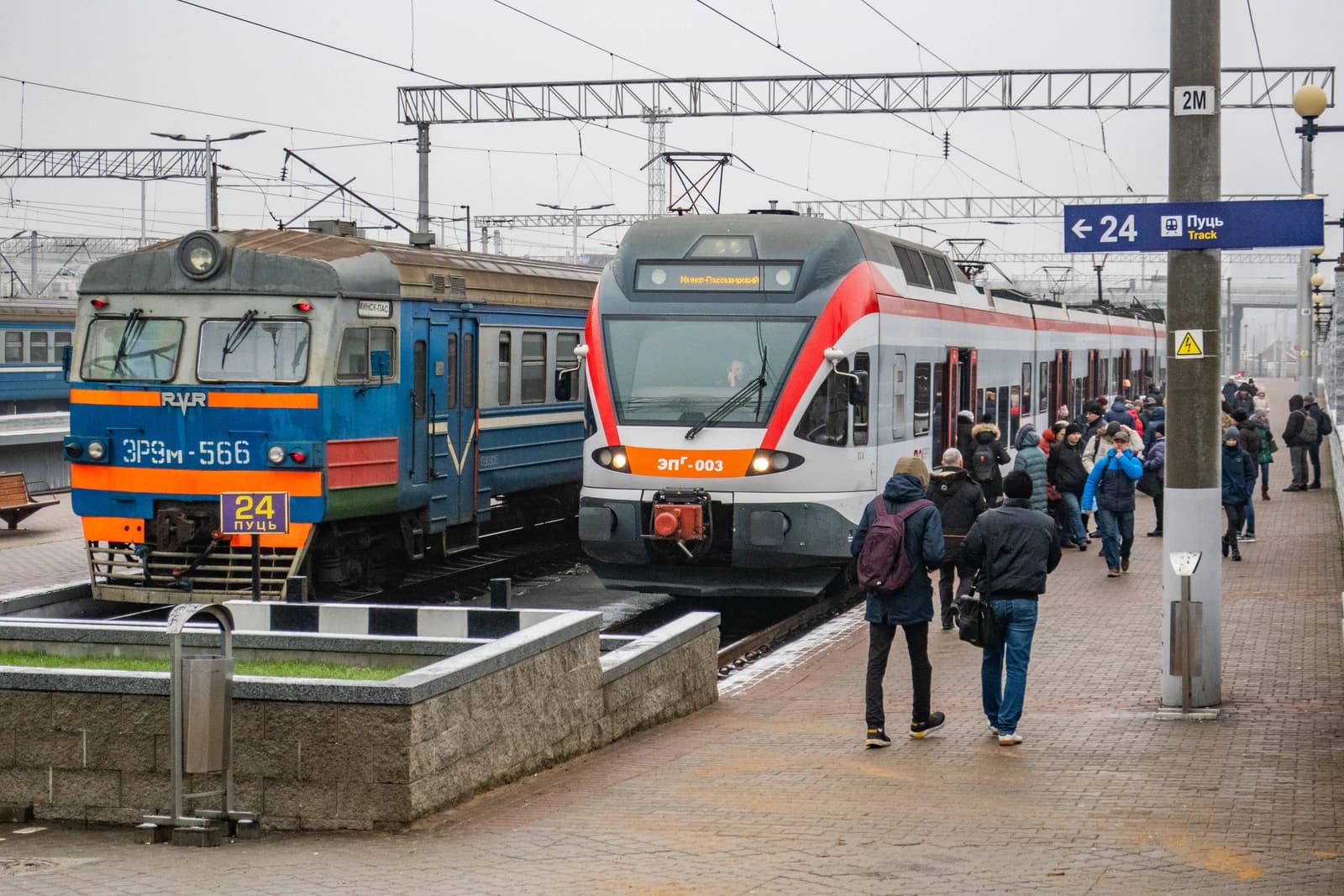
That matters because transport is one of the clearest real-time gauges of economic momentum. When volumes rise, it usually reflects firmer industrial output, trade flows and consumer mobility; when they weaken, it often shows stress before it appears in headline GDP data. In the EAEU, the latest growth in freight and passenger traffic suggests the bloc’s internal logistics network is still carrying more goods and people, helping cushion the impact of slower external demand and volatile financial conditions.
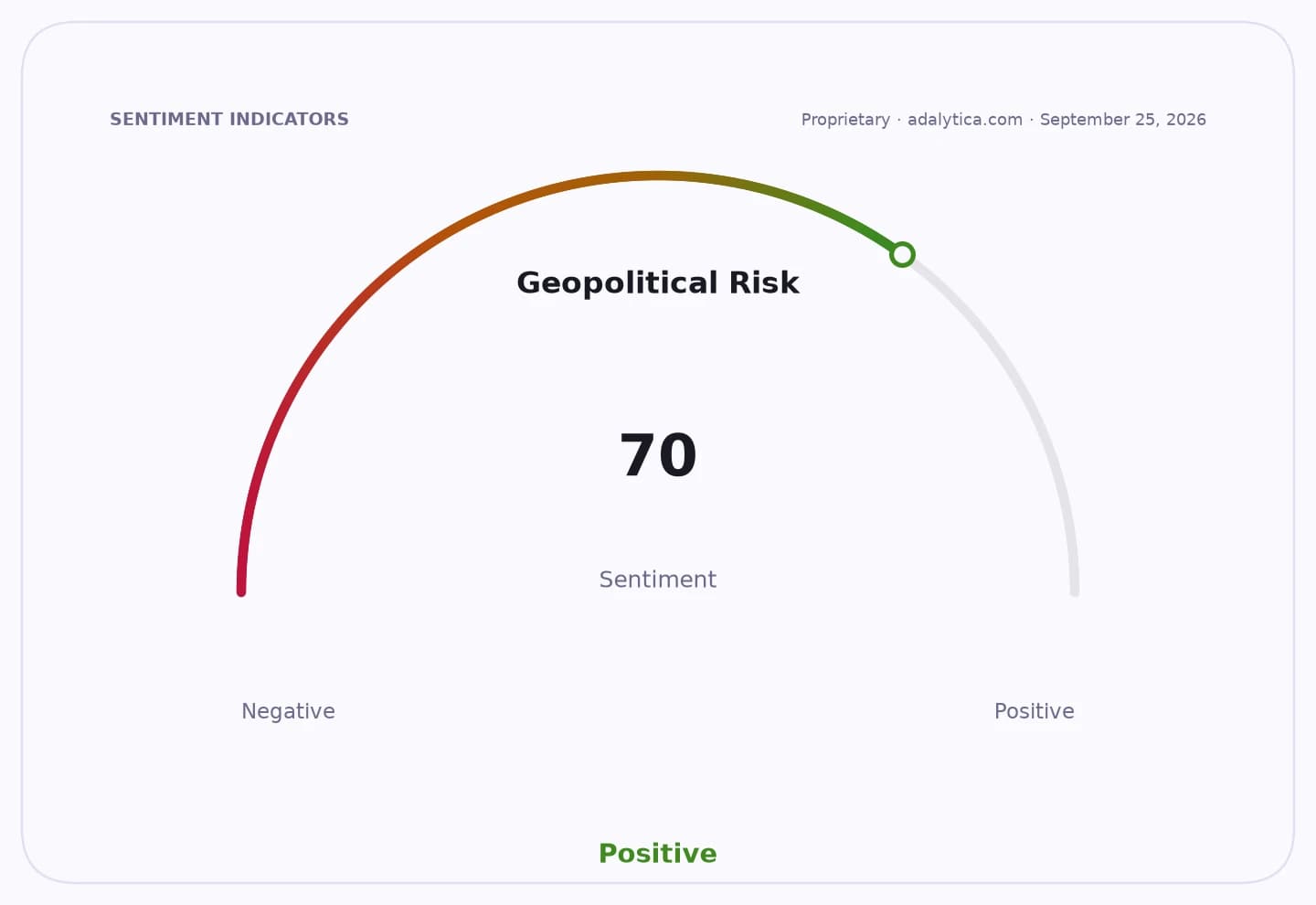
Sentiment IndicatorsⓘProprietary · adalytica.com · July 19, 2026
This is a snapshot — live sentiment, awareness and momentum for 130+ markets update continuously in the dashboard.Open AlphaPulse

The signal is particularly important for markets because transport strength tends to feed through to a wide set of assets and sectors. Freight growth supports rail operators, ports, trucking, fuel demand and industrial suppliers. Passenger traffic, meanwhile, is a read-through for household activity, tourism and discretionary spending. For governments in the bloc, stronger transport volumes also point to more durable tax receipts and a better chance of meeting development and integration goals without relying solely on commodity cycles.
The macro backdrop is mixed. Adalytica’s China Economic Growth Target Sentiment gauge is flashing extreme fear, while S&P 500 trade signals have also weakened sharply, underscoring how fragile global risk appetite has become. Against that backdrop, continued transport growth in the EAEU looks less like a one-off data point and more like evidence of a regional economy still benefiting from infrastructure spending, supply-chain rerouting and cross-border trade within the bloc.
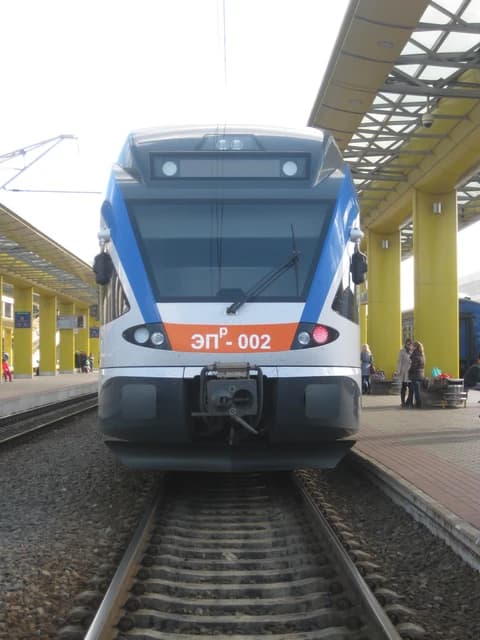
Investors should read the development in two ways. The bull case is that transport demand remains broad-based and can support earnings for carriers, leasing firms and infrastructure-related businesses, while reinforcing the case for continued capital spending. The bear case is that transportation can lag a turn in the cycle, meaning current gains may not hold if industrial activity softens further or if external trade slows.
The key question now is whether freight and passenger volumes can keep rising into year-end. If they do, the EAEU would have another sign that its internal market is absorbing shocks better than expected. If they do not, transport could quickly become an early warning that the region’s growth resilience is fading.
| Entity | Gains | Losses |
|---|---|---|
| EAEU transport operators | ▲Higher volumes | ▼Capacity pressure |
| Exporters and shippers | ▲Better connectivity | ▼Higher logistics costs |
| Regional governments | ▲Stronger activity data | ▼Less policy room |
| Competitors outside the bloc | ▲— | ▼Market share loss |