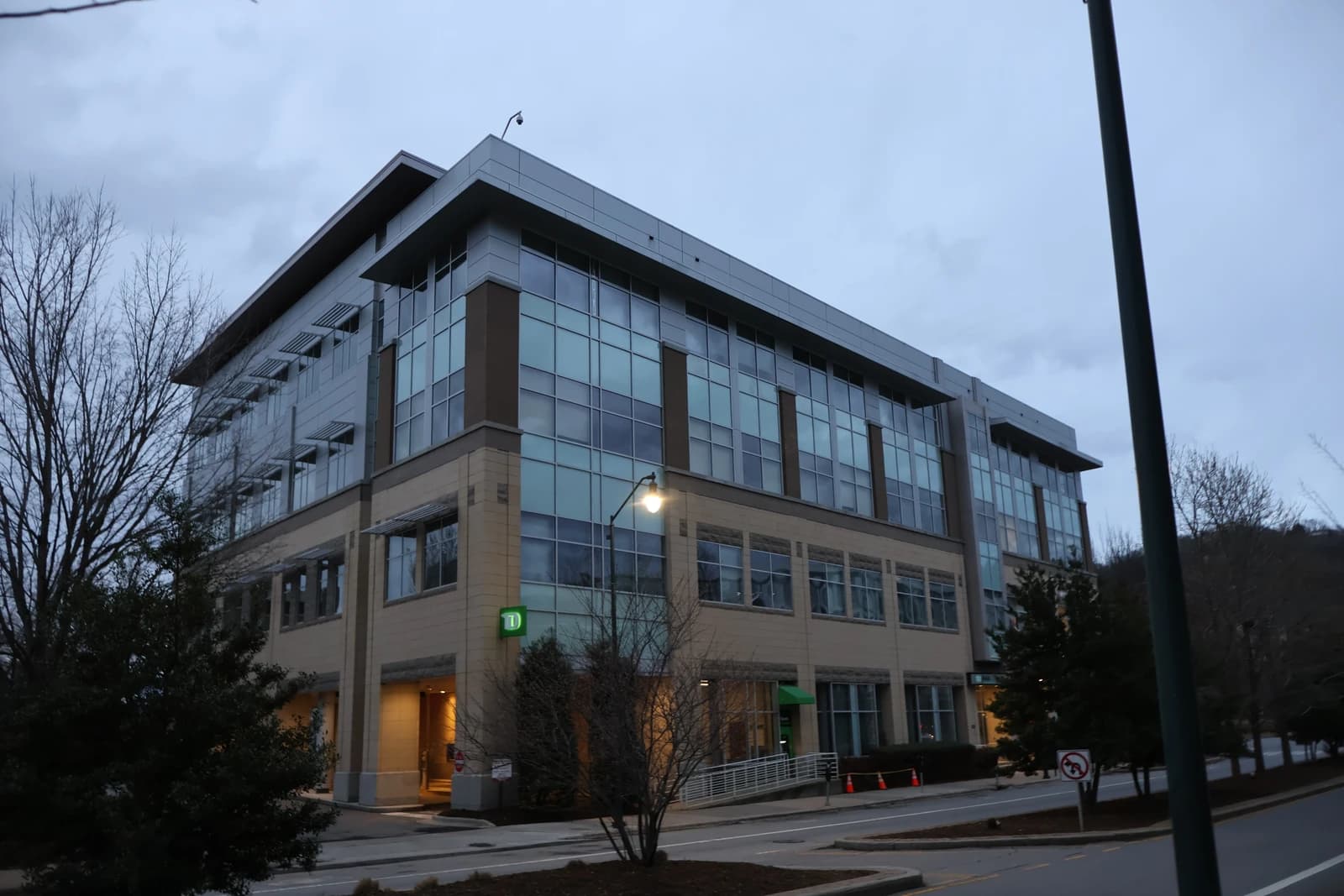
East Palo Alto voters appear to have approved the city’s first-ever bond, a $125 million measure that would fund a new city hall, police headquarters and larger library as the fast-growing Bay Area community tries to replace decades-old civic infrastructure.
East Palo Alto voters back $125 million bond
Measure O had won 73.8% support in Tuesday evening results, well above the 66.6% needed to pass, with 1,179 votes counted as of 9:30 p.m. The result is likely to clear the way for a long-delayed capital program that local leaders say has become urgent for a city still operating with temporary and rented facilities.
Sentiment Indicators
For investors and muni buyers, the vote matters because it gives East Palo Alto access to a financing tool that will support more than $200 million in total projects when land donations, city money and outside contributions are included. The city has already set aside $20 million from its general fund, while donors have contributed more than $50 million in land and cash, reducing the amount the bond must cover for core civic buildings and water work.
The measure is also a reminder that local governments in high-cost California are still willing to raise property taxes for infrastructure when the alternative is continued deterioration. East Palo Alto said the bond would cost about $105.26 per $100,000 of assessed value, with the tax likely kicking in in 2028-29 if final results hold.
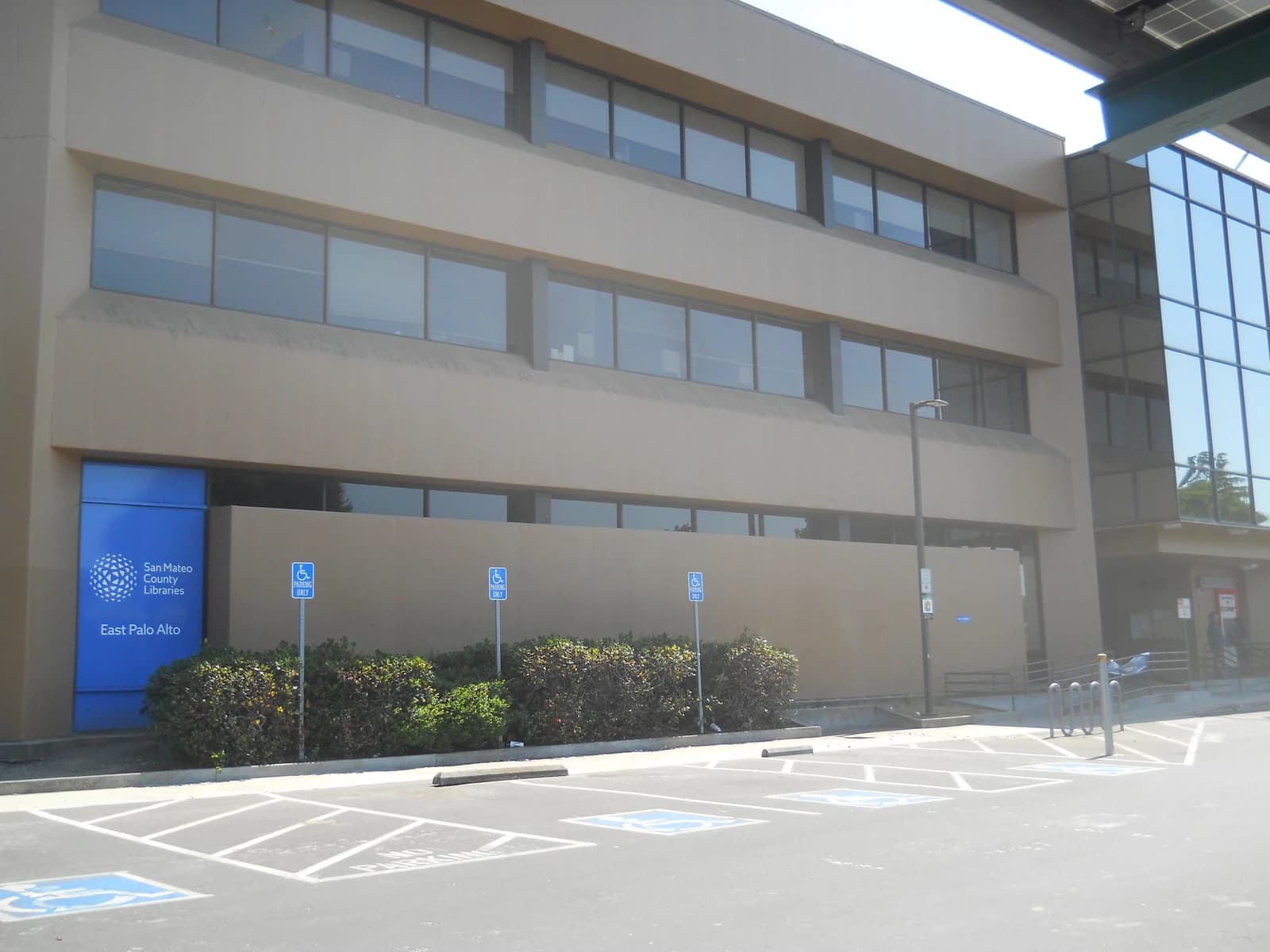
The project has broad practical implications for the city’s fiscal and operating profile. East Palo Alto, founded in 1983, currently relies on a county-owned library that has not been updated in 40 years, portable buildings used by police for two decades and a rented county building for council meetings.
If the result stands, city staff said they would move to environmental review, permits and final construction planning, with work potentially beginning around summer 2027. The stronger-than-required margin suggests voters were willing to back a multiyear investment plan tied to safe drinking water, youth space and basic municipal services.
Bond investors will likely watch how quickly the city advances the project and whether the final tax burden remains manageable for property owners. In the near term, the key catalyst is the certification of the vote and East Palo Alto’s next steps toward issuance and construction.
| Entity | Gains | Losses |
|---|---|---|
| East Palo Alto city government | ▲Capital funding, modern facilities | ▼Higher debt burden |
| Local residents and voters | ▲New library, city hall, safer infrastructure | ▼Higher property taxes |
| Municipal bondholders | ▲New issuance opportunity | ▼Limited if costs rise |
| Property owners | ▲Long-term civic upgrades | ▼Annual tax increase |