The European Central Bank is poised to leave interest rates unchanged at 2.25%, a pause that matters less as a one-off decision than as a sign the eurozone’s disinflation path is holding even as global uncertainty persists.
ECB Pause Supports Eurozone Bonds, Keeps Euro Cautious

With euro area inflation easing to 2.8%, the ECB has room to wait after a run of aggressive tightening pushed borrowing costs to a three-year high. That gives policymakers time to assess whether cooling price pressures are durable enough to keep policy on hold without reviving inflation, or whether a renewed energy shock and external volatility could force another round of tightening later.
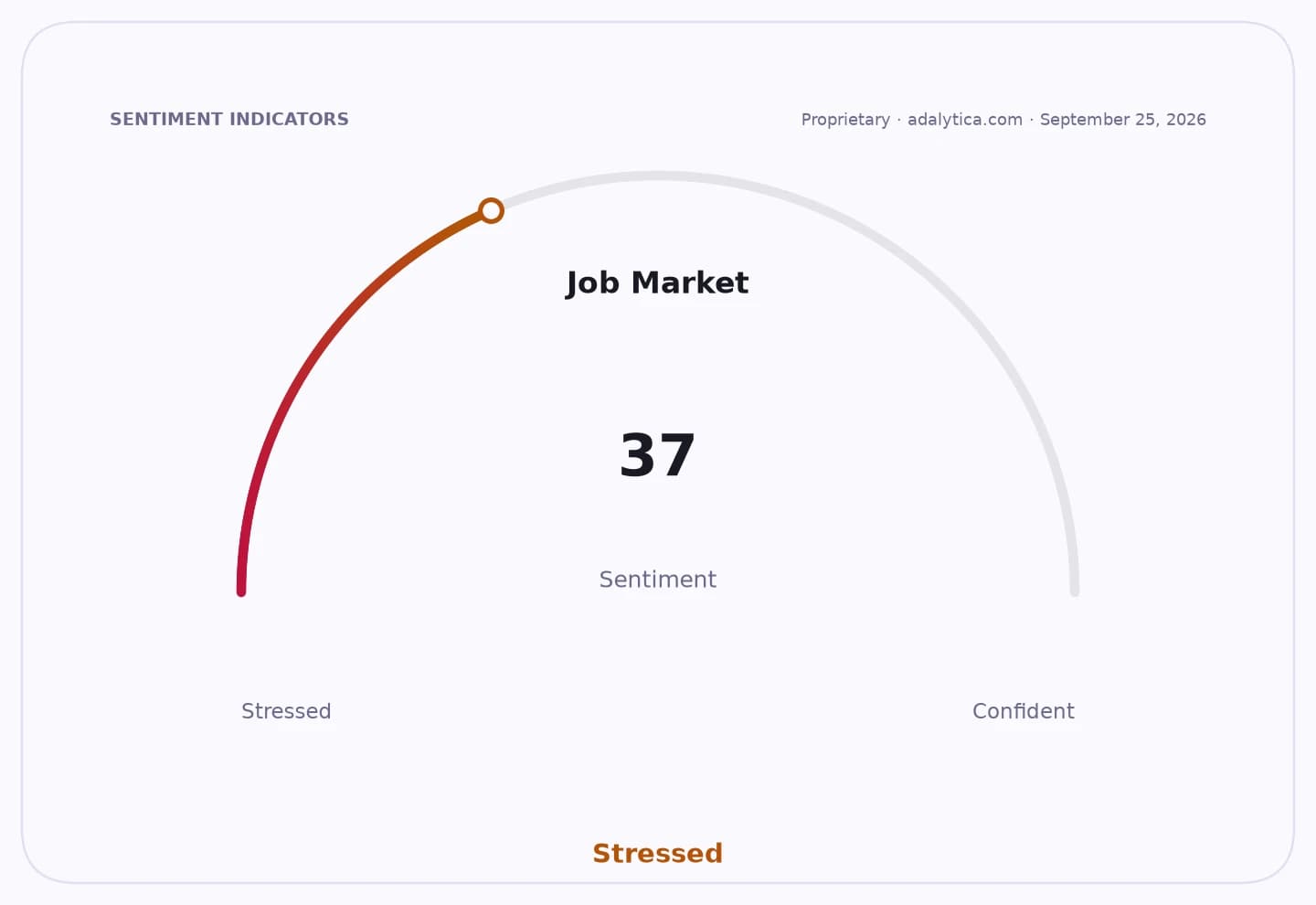
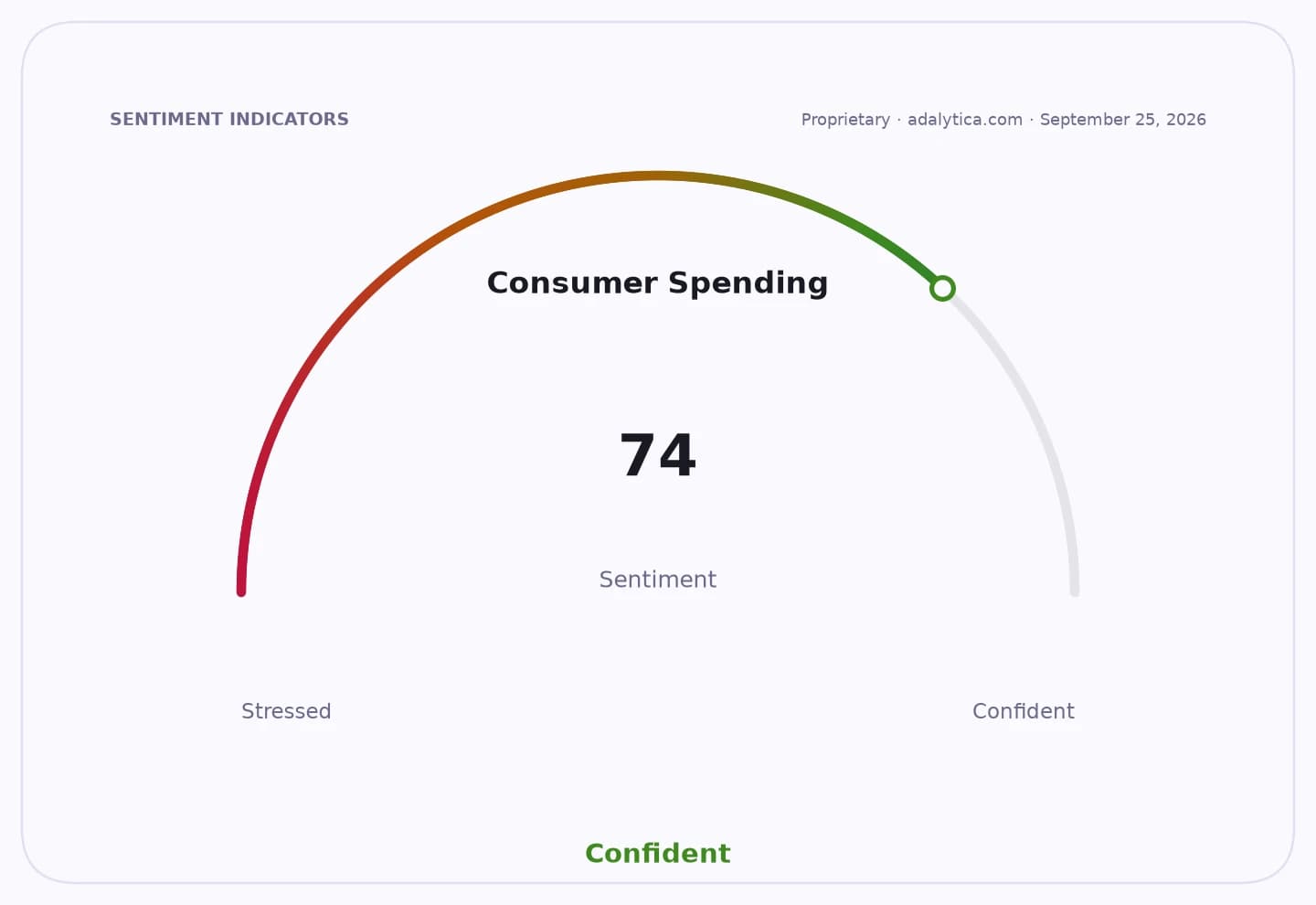
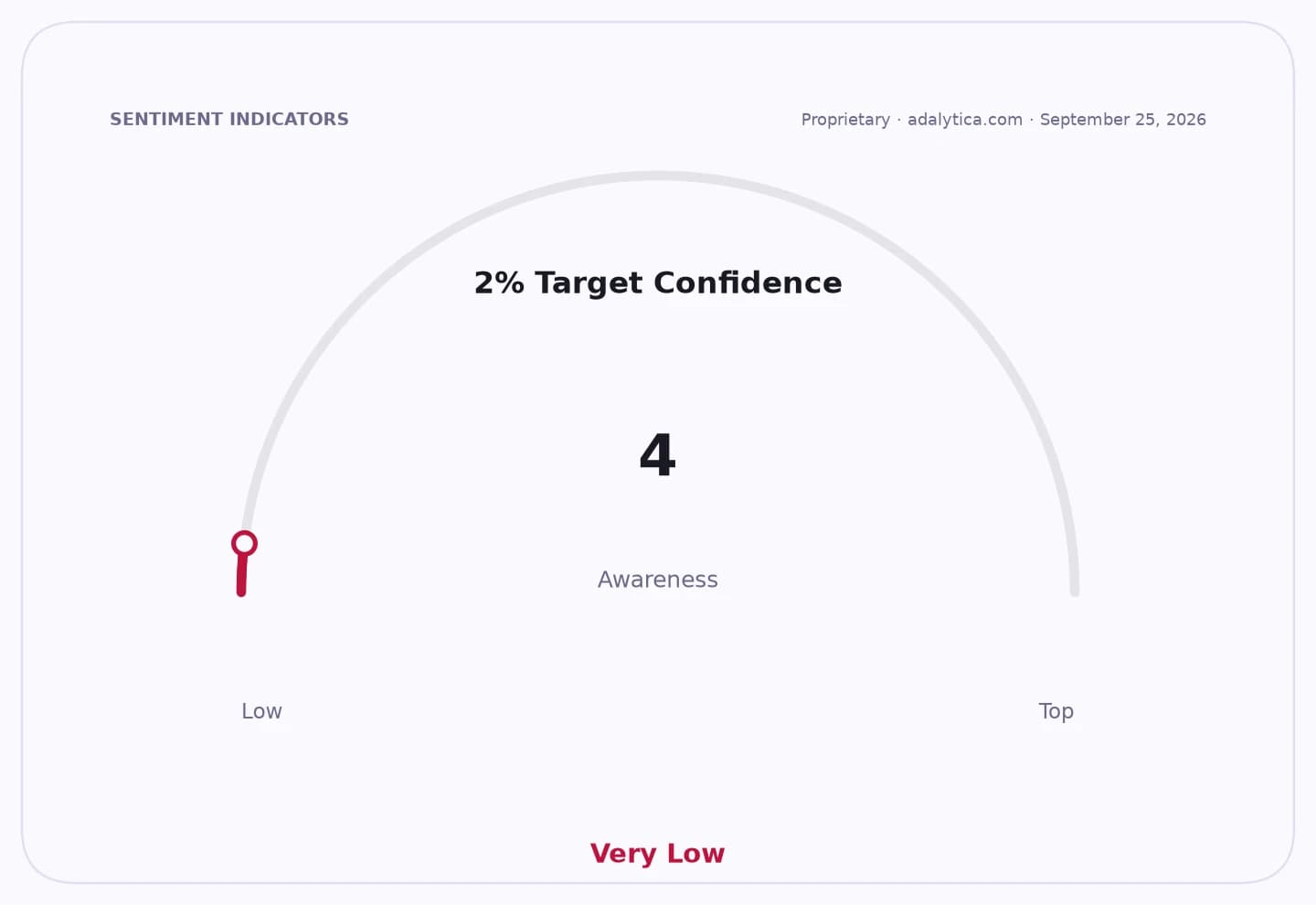
Sentiment IndicatorsⓘProprietary · adalytica.com · July 22, 2026
This is a snapshot — live sentiment, awareness and momentum for 130+ markets update continuously in the dashboard.Open AlphaPulse

For investors, the message is mixed but important. The pause supports government bonds and rate-sensitive assets in the near term because it reduces the risk of an immediate policy surprise. But markets are not treating this as the start of an easing cycle. Pricing for as many as two rate increases by early 2027 suggests traders still see inflation as sticky enough that the ECB cannot declare victory. The benchmark U.S. 10-year Treasury yield at 4.58% and the Fed funds rate near 3.63% also underscore how global rate differentials remain wide, keeping pressure on currencies and cross-border capital flows.
The euro’s recent trade near 1.14 against the dollar reflects that tension. On one hand, a steady ECB should help stabilize the currency by reducing policy uncertainty. On the other, the euro remains vulnerable if the market concludes the ECB is closer to the end of its tightening cycle than the Federal Reserve, or if Europe’s growth outlook deteriorates faster than expected. The common currency’s technical backdrop is still cautious, with the pair trading below its 50-day and 200-day moving averages, indicating that investors have not yet built a conviction that the ECB’s pause marks a turning point.
Bond markets are already telegraphing that ambivalence. Eurozone sovereign yields have been supported by the view that inflation is moderating, but not enough to justify aggressive rate cuts. U.S. Treasury fund TLT has weakened further, and proprietary Adalytica signals show “Extreme Fear” in U.S. Treasury bonds and sharply reduced confidence in the Fed’s 2% inflation target, a reminder that global fixed-income sentiment remains fragile even as Europe’s inflation picture improves. For European bonds, that can be supportive in the short term: if the ECB stands pat while inflation cools, duration becomes more attractive relative to cash. The risk is that any rise in energy prices or a sudden growth rebound would quickly reprice the curve.
The bigger economic point is that the ECB is trying to thread a narrow path between price stability and a slowing economy. Holding rates steady suggests policymakers believe past tightening is doing enough to restrain demand, but not so much that the bloc can safely pivot to cuts. That stance matters for banks, borrowers and governments alike: it keeps funding costs elevated, but it also reduces the odds of the ECB forcing a sharper downturn.
The next catalyst will be whether inflation remains anchored near current levels through the summer and whether energy markets stay calm. If both hold, the ECB can extend its pause and preserve flexibility. If either worsens, rate expectations could swing quickly, with the euro, sovereign yields and bank shares likely to be the first assets to react.
| Entity | Gains | Losses |
|---|---|---|
| Eurozone bondholders | ▲Lower policy uncertainty | ▼Less chance of near-term cuts |
| Eurozone borrowers | ▲Rate stability | ▼Borrowing costs stay high |
| ECB policymakers | ▲More time to assess inflation | ▼Pressure if energy prices rise |
| Euro sellers / dollar bulls | ▲Policy divergence risk | ▼Softer inflation may support euro |