Taiwan Semiconductor Manufacturing Co. remains the single most important force inside the iShares Emerging Markets ETF, and that matters because the fund’s fate is increasingly tied to the global AI buildout rather than to a broad, evenly balanced basket of developing-world stocks.
EEM's TSMC Weight Ties ETF to AI Chip Cycle
For investors, that concentration is not a footnote — it is the story. EEM is supposed to give broad exposure to emerging markets, but TSMC’s weight means the ETF is effectively making a large bet on the world’s most important chipmaker and, by extension, on the long runway for AI infrastructure spending. When one company dominates an index fund, the fund’s return profile starts to look less like a diversified EM trade and more like a leveraged expression of a single secular theme.
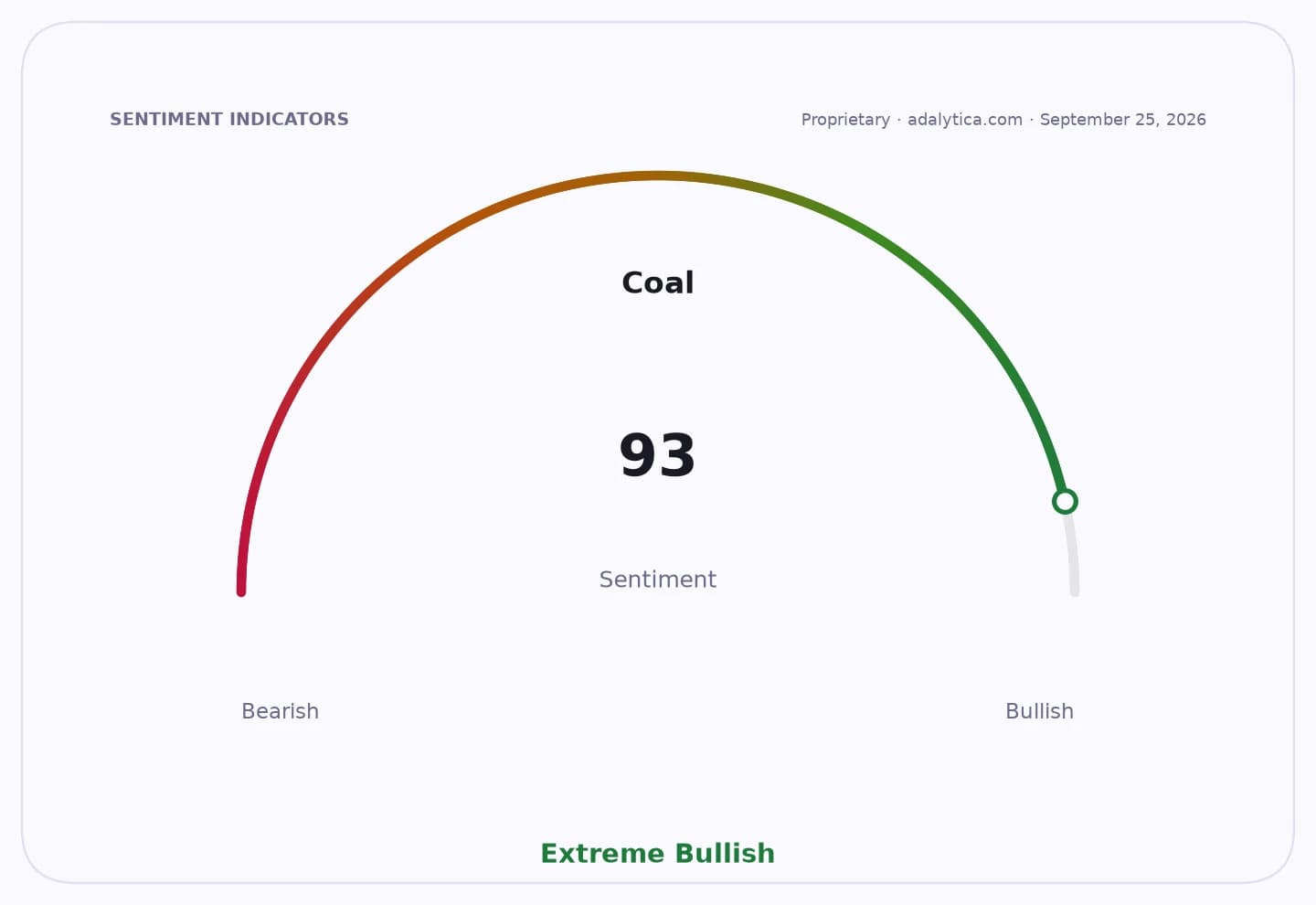
Sentiment IndicatorsⓘProprietary · adalytica.com · August 3, 2026
This is a snapshot — live sentiment, awareness and momentum for 130+ markets update continuously in the dashboard.Open AlphaPulse
That helps explain why EEM has been so sensitive to swings in semiconductor sentiment. TSMC shares have surged and stumbled far more dramatically than the ETF itself, with the stock recently trading around $404 after a sharp late-July selloff from a June peak near $478. Even after that pullback, TSMC remains well above its 200-day moving average, a sign that the longer-term uptrend is still intact despite near-term volatility. The broader semiconductor complex has also been volatile, with the SOXX ETF dropping from above $650 in June to about $505 at the end of July, underscoring how quickly enthusiasm for AI hardware can overshoot and then reset.
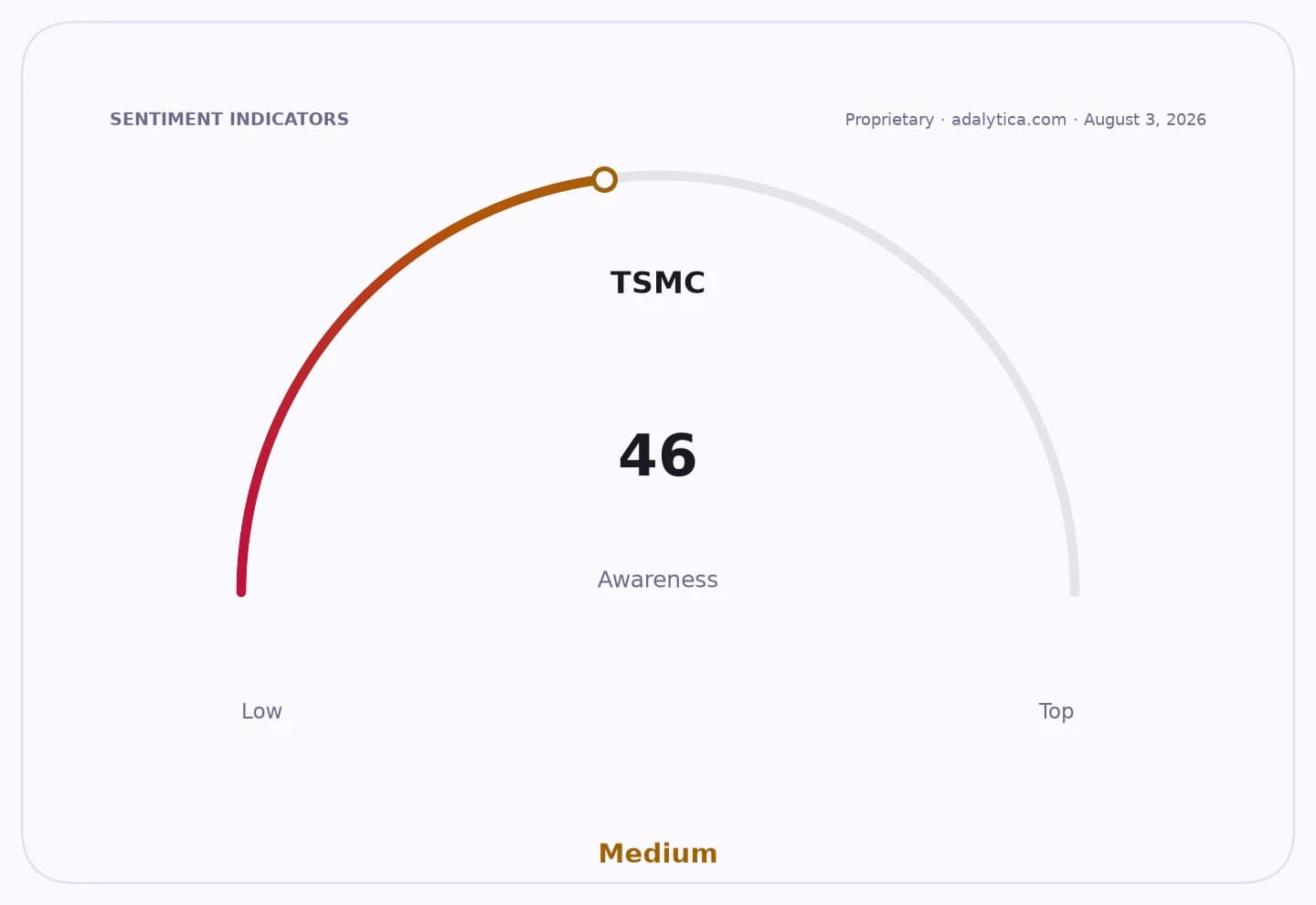
That backdrop matters because TSMC is not just another cyclical chip stock. It sits at the center of the AI supply chain, manufacturing the advanced chips that power everything from data centers to high-end accelerators. Recent filings and revenue reports point to continuing momentum in the business, and the latest earnings-related sentiment reading tracked by Adalytica.com showed extreme fear around TSMC even as awareness remained neutral. In plain English, that is the kind of setup long-term investors often like: strong fundamentals, nervous sentiment, and a market that may be pricing in too much short-term noise.
TSMC — 30-day sentimentadalytica.com
Explore this data interactively — full history, time series and cross-market comparisons.Open AlphaPulse
The same dynamic helps explain why emerging-market investing is becoming more uneven. The winner’s circle is narrowing around companies with direct exposure to AI spending, while more traditional EM sectors are struggling to keep pace. Samsung Electronics’ record second-quarter profit, driven by AI memory chips, reinforces the same message: the semiconductor cycle is being reshaped by artificial intelligence, and the biggest beneficiaries are the companies that control the most advanced manufacturing and memory capacity. For TSMC, that leadership position is exactly why it commands so much of EEM.
Investors should still keep perspective. A fund dominated by one giant technology manufacturer is not a pure play on emerging-market consumer growth, commodities or domestic demand across Asia and Latin America. It is a bet on a handful of export champions, especially in semiconductors, and that concentration cuts both ways if chip demand cools or if geopolitical risk around Taiwan intensifies. But for patient investors with a multiyear horizon, the bigger takeaway is straightforward: as long as AI capital spending remains a secular growth engine, TSMC’s dominance in EEM is likely to be a feature, not a bug.
That makes EEM worth watching, but it also argues for understanding what you actually own. If you buy the ETF expecting broad emerging-market exposure, you are really getting a heavy dose of TSMC and the global semiconductor cycle. For long-term investors, that can still be attractive — just not as a set-it-and-forget-it diversification tool.
| Entity | Gains | Losses |
|---|---|---|
| TSMC | ▲AI chip demand tailwind | ▼Diversified EM purity |
| EEM holders | ▲Exposure to TSMC upside | ▼Balance across EM sectors |
| Semiconductor bulls | ▲Secular growth theme | ▼Short-term volatility |
| Geopolitical risk worries | ▲Hedging demand | ▼Valuation confidence |