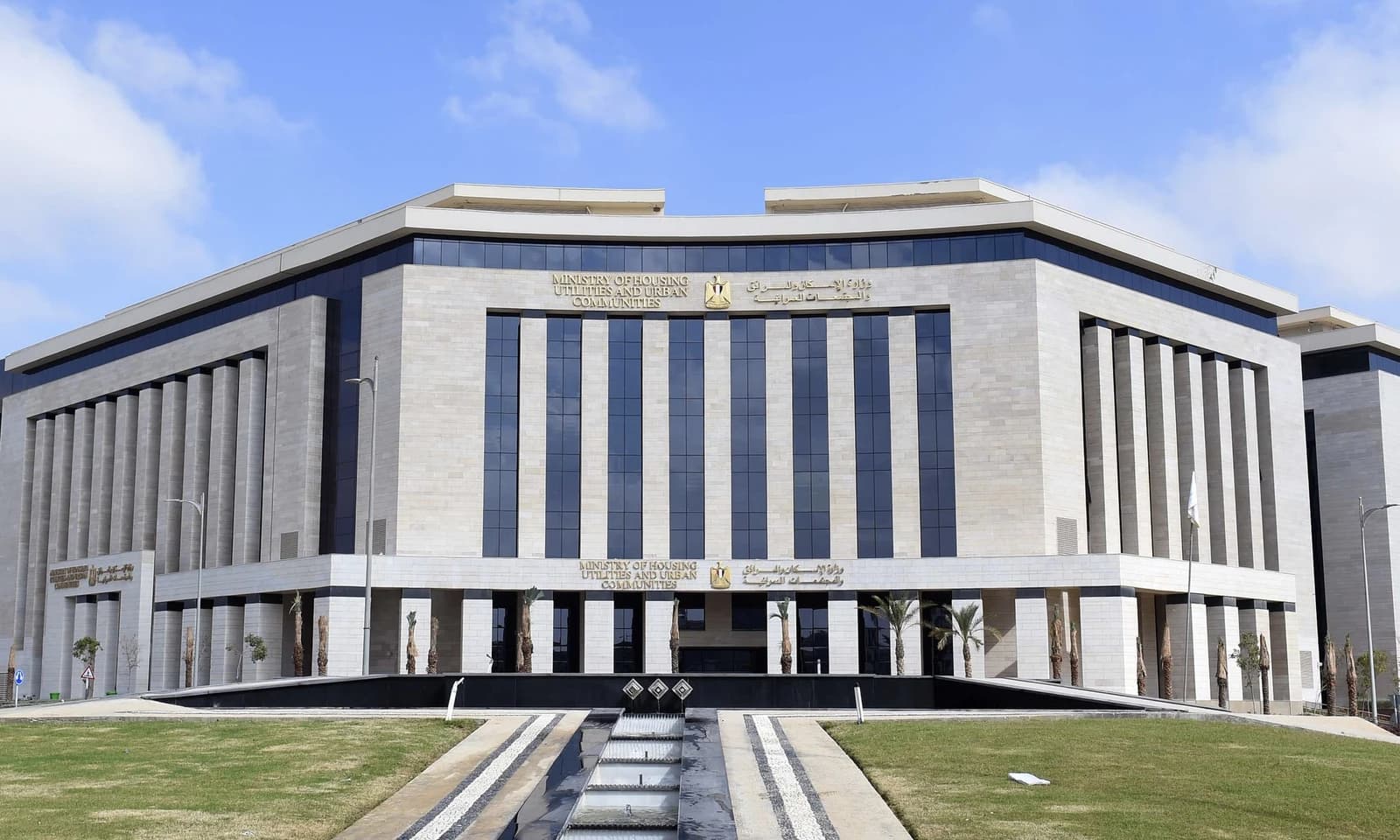
Egypt’s Housing and Development Bank is offering 2,898 residential plots in 17 new cities under the “Maskan” program, a move that underscores how the government is using land sales to seed housing demand, support urban expansion and keep a strained construction pipeline moving.
Egypt Bank Sells Plots to Spur Housing Demand
The economic point is bigger than the number of plots. In a market where affordability, developer financing and land availability all shape activity, a fresh state-backed offering can help unlock private investment, accelerate settlement in satellite cities and generate near-term cash flow for the public housing apparatus. It also signals that housing remains one of Egypt’s key policy levers for growth at a time when higher borrowing costs and tighter household budgets have made large-ticket real estate purchases harder to finance.
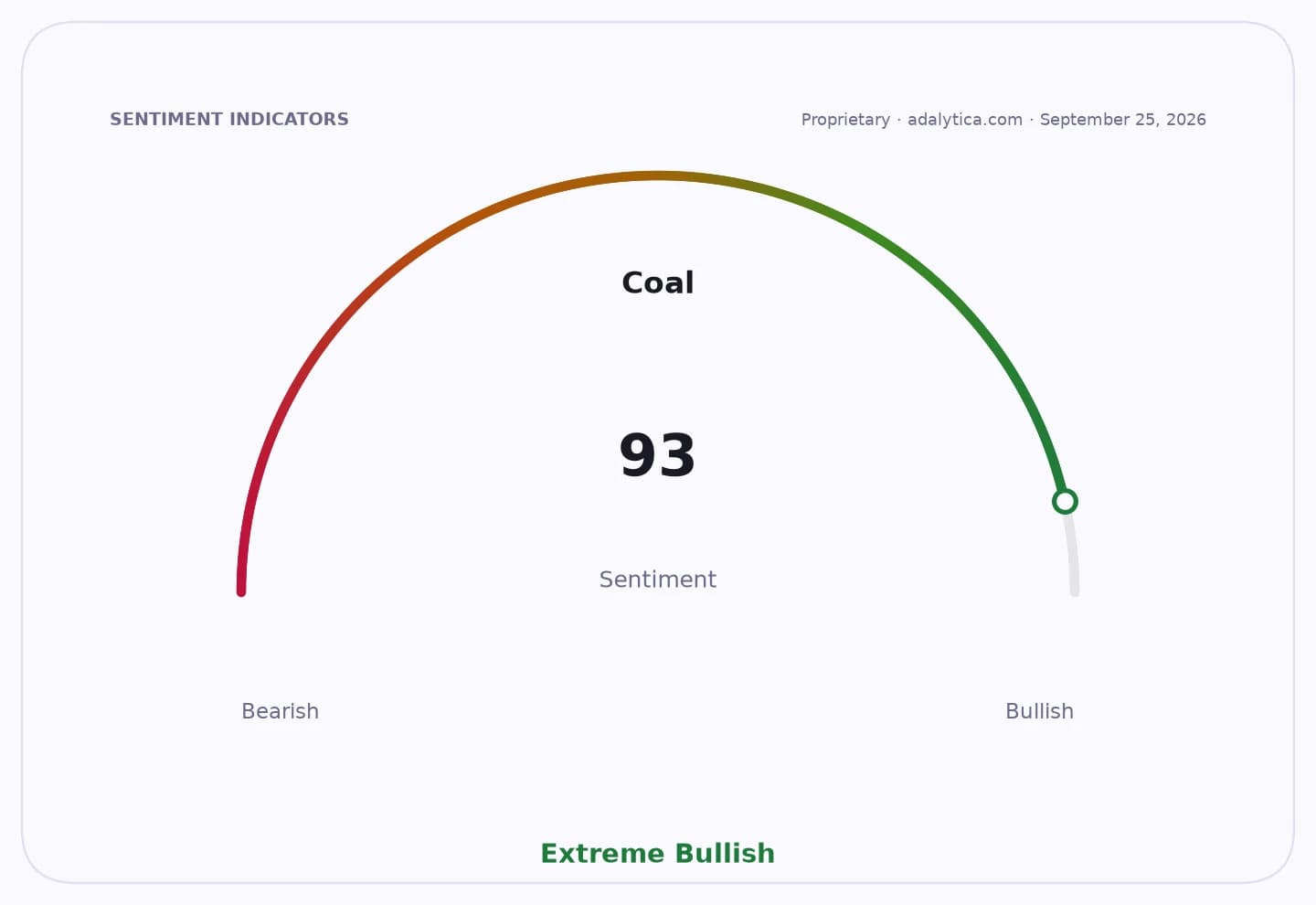
Sentiment IndicatorsⓘProprietary · adalytica.com · July 24, 2026
This is a snapshot — live sentiment, awareness and momentum for 130+ markets update continuously in the dashboard.Open AlphaPulse
For the state, the sale serves several goals at once. It can draw in middle-income buyers who may be priced out of established urban centers, while also giving developers and contractors a clearer pipeline of follow-on demand for roads, utilities and building materials. That matters for an economy where construction is a major employer and where government-led real estate programs often act as a substitute for weaker private-sector momentum.
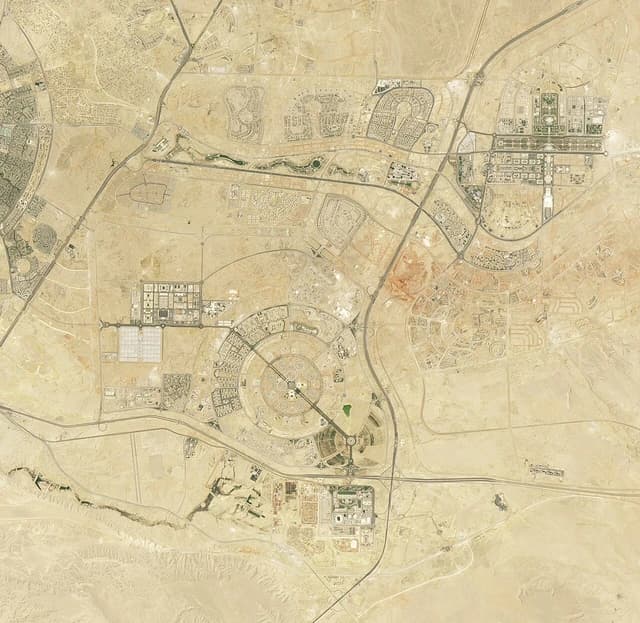
The choice of 17 new cities is also telling. Egypt has long pushed population dispersion away from Cairo and other crowded metros, and the latest offering fits the same urban strategy: create new demand centers, monetize land, and build a long-term housing stock outside the traditional core. If uptake is strong, it can support broader activity across cement, steel, fittings and mortgage-related services. If demand disappoints, it would reinforce concerns that even state-backed land releases are running into affordability constraints.
Investors will watch whether the plots are absorbed quickly and at what pricing terms, because that will indicate both household appetite and the government’s ability to translate policy into real transactions. For developers, the auction or allocation pipeline can be a signal on future land costs and competition. For the broader market, it is another reminder that Egypt’s housing story is less about a single project than about whether the state can keep converting land supply into actual homes.
The key test now is implementation: whether the program attracts buyers with enough purchasing power to sustain construction activity, or whether it becomes another indicator of a market where demand is present in principle but constrained in practice.
| Entity | Gains | Losses |
|---|---|---|
| Housing and Development Bank | ▲Land-sale revenue | ▼Execution risk |
| Middle-income buyers | ▲Access to plots | ▼Affordability pressure |
| Developers and contractors | ▲Future project pipeline | ▼Higher competition for land |
| Cairo core housing market | ▲Less congestion pressure | ▼Demand diversion to new cities |