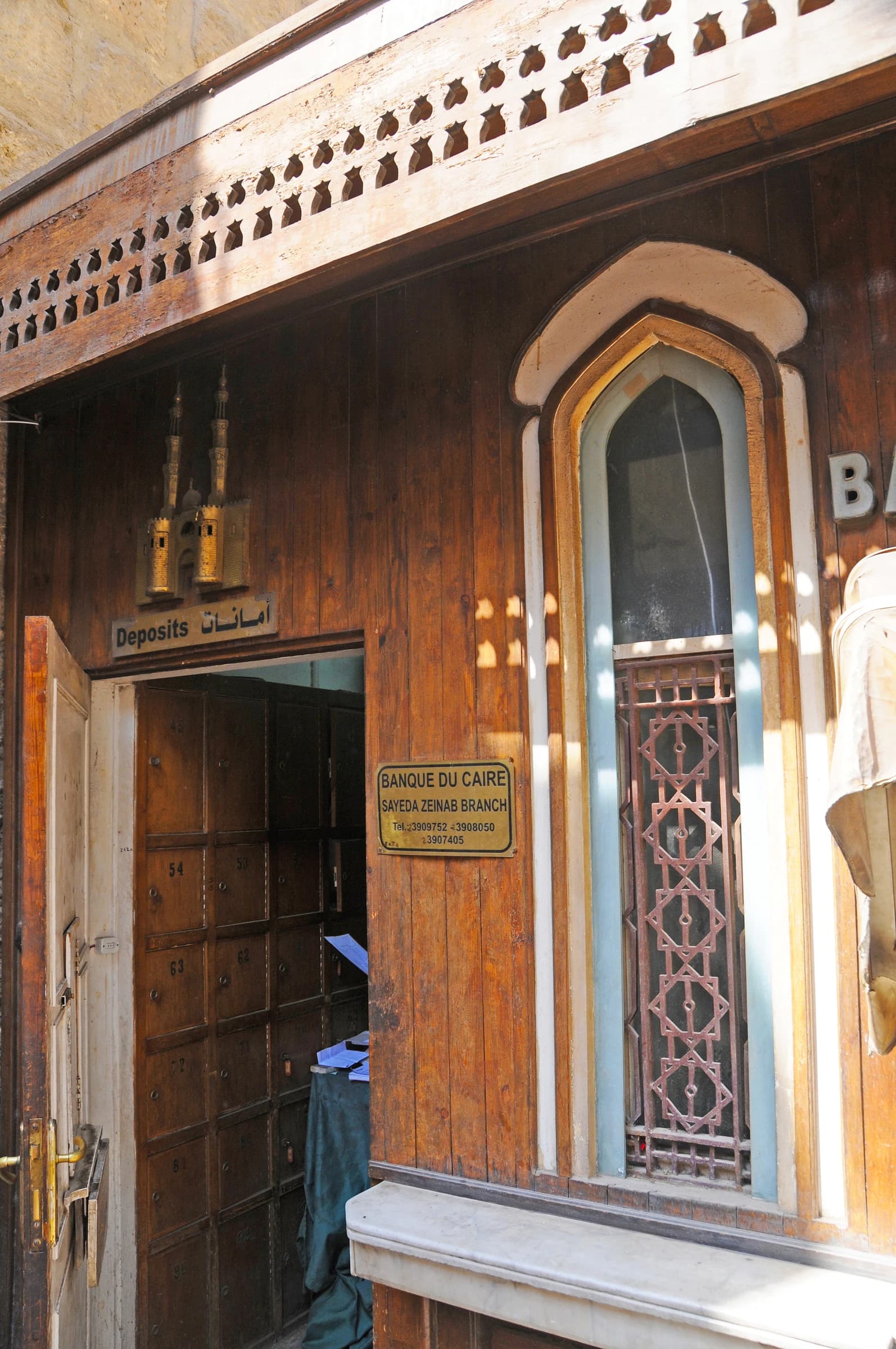
Egypt and Djibouti are moving to deepen cooperation in tourism and antiquities, a step that could broaden travel flows across the Red Sea and support Egypt’s bid to turn its heritage assets into a bigger source of foreign currency.
Egypt, Djibouti tourism cooperation talks in Cairo
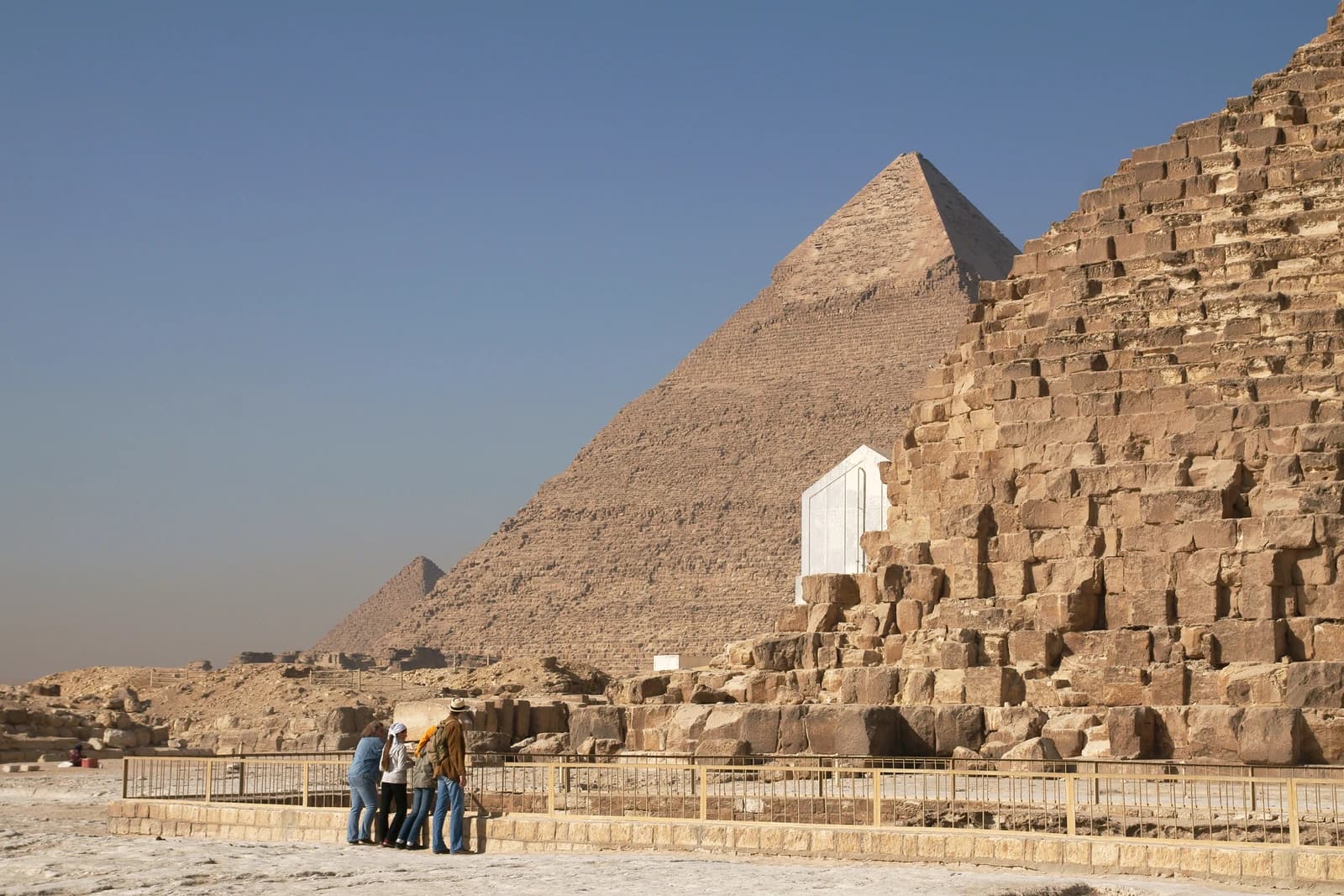
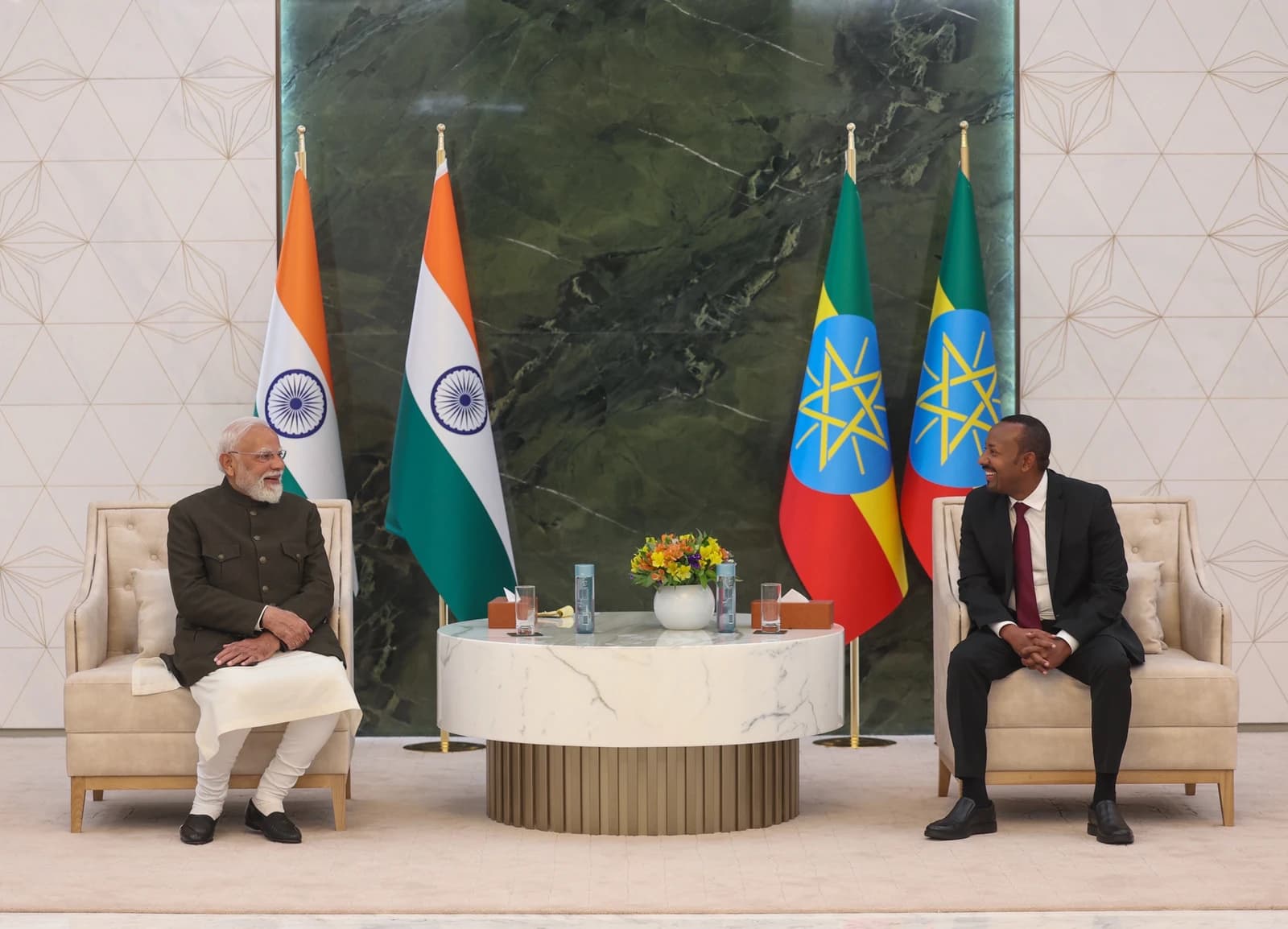
Egyptian Tourism and Antiquities Minister Sherif Fathy met Djibouti’s Trade and Tourism Minister Orbis Hiilaf Orbis in Cairo and discussed a memorandum of understanding covering tourism and antiquities, according to the information provided. The agreement fits Egypt’s wider strategy of using cultural diplomacy and joint tourism programs to attract more visitors from neighboring and African markets.
Sentiment IndicatorsⓘProprietary · adalytica.com · October 13, 2026
This is a snapshot — live sentiment, awareness and momentum for 130+ markets update continuously in the dashboard.Open AlphaPulse
For Egypt, the timing matters. Tourism remains one of the country’s most important hard-currency earners, while the government is also trying to shield the economy from pressure linked to geopolitical tensions, disrupted shipping lanes and a stronger US dollar. Any deal that expands regional arrivals or lengthens stays can help support hotel occupancy, airline demand and spending around archaeological sites.
The initiative also has a broader policy angle. Cairo has been trying to preserve antiquities while upgrading services at archaeological destinations and building partnerships with other countries to develop shared tourism offerings. A Djibouti accord adds to that effort by linking two Red Sea states that can market themselves together to travelers already moving through the region.
Investors tend to watch these agreements not for immediate financial impact, but for what they may mean for tourism receipts, broader service-sector activity and the country’s external accounts. In a period when Egypt’s currency has been under pressure and global risk appetite remains sensitive to regional instability, a stronger tourism pipeline is one of the few near-term supports that can translate directly into foreign-exchange inflows.
The deal does not yet spell out commercial terms, but it signals another incremental step in Egypt’s push to turn heritage and regional connectivity into economic gains. The key test will be whether the memorandum leads to joint promotions, easier travel links and measurable increases in visitor numbers over the coming months.
| Entity | Gains | Losses |
|---|---|---|
| Egypt tourism sector | ▲More regional visitors | ▼None immediate |
| Djibouti tourism industry | ▲Access to Egyptian market | ▼Limited bargaining leverage |
| Egyptian antiquities sector | ▲Broader preservation ties | ▼None immediate |
| Competing regional destinations | ▲— | ▼Some tourist share |