Egypt’s gold jewelry market is showing signs of recovery as lower prices draw consumers back after a prolonged stretch of expensive metal prices that had squeezed household budgets and delayed discretionary purchases.
Egypt gold jewelry sales recover as prices ease
That matters because jewelry is the most price-sensitive part of Egypt’s gold market: when bullion and retail prices rise quickly, demand typically weakens first, hurting dealers, manufacturers and the broader trade network that depends on turnover. A recovery in jewelry sales can help stabilize imports, support working-capital needs across the supply chain and improve cash flow for retailers that have been sitting on thinner volumes.
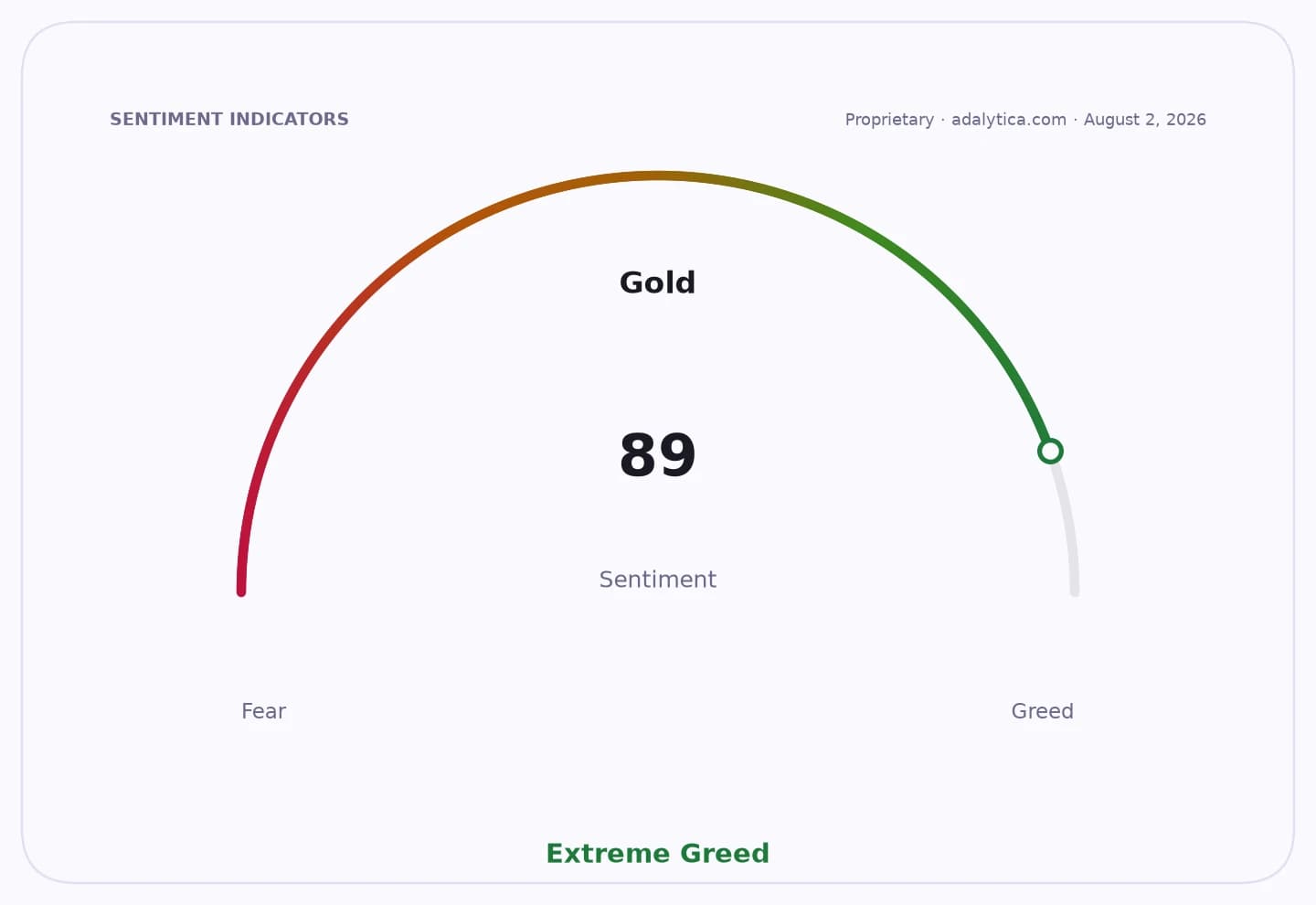
The move also fits a wider pattern in gold: periods of price relief often revive physical buying even when investment demand remains elevated. Gold prices in domestic markets have swung sharply in recent days, with local prices falling again after two sessions of gains, underscoring how quickly consumer demand can respond to changes in the cost of the metal. In Egypt, where gold is both adornment and a store of value, lower prices can bring back wedding-related and household buying that had been postponed.
For investors, the rebound is a reminder that gold’s strength does not affect every segment equally. High prices can be good for miners and bullion-focused products, but they can also dent fabrication demand and jewelry margins. If Egypt’s retail market is indeed recovering, it would suggest that end-user demand is still intact and simply waiting for a more accessible price point.
That leaves the near-term outlook tied to volatility. If domestic prices continue to ease, jewelry sales could improve further and support dealers’ volumes. If prices turn higher again, the recovery may prove short-lived, leaving the market caught between strong cultural demand and stretched consumer purchasing power.
| Entity | Gains | Losses |
|---|---|---|
| Egyptian jewelers | ▲Higher sales volumes | ▼Lower pricing power |
| Consumers | ▲Better affordability | ▼Less incentive to wait |
| Gold retailers | ▲Improved turnover | ▼Inventory mark-to-market risk |
| Bullion investors | ▲Safe-haven demand | ▼Slower jewelry demand |