Egypt’s government wants to lift the monthly minimum wage to 15,000 pounds by the end of the 2029-30 fiscal year, a move that would raise pay for about 4.5 million workers and test whether household incomes can keep up with the country’s still-fragile recovery.
Egypt plans minimum wage rise to 15,000 pounds
Wages
Prime Minister Mostafa Madbouly said the goal is part of a broader push to improve living standards and strengthen purchasing power, two priorities that matter well beyond the labor market. For policymakers, higher wages can support consumption and help restore confidence after years of inflation and currency swings. For investors, they also point to a larger debate: whether Egypt can raise real incomes without putting fresh pressure on corporate margins, public finances and price stability.
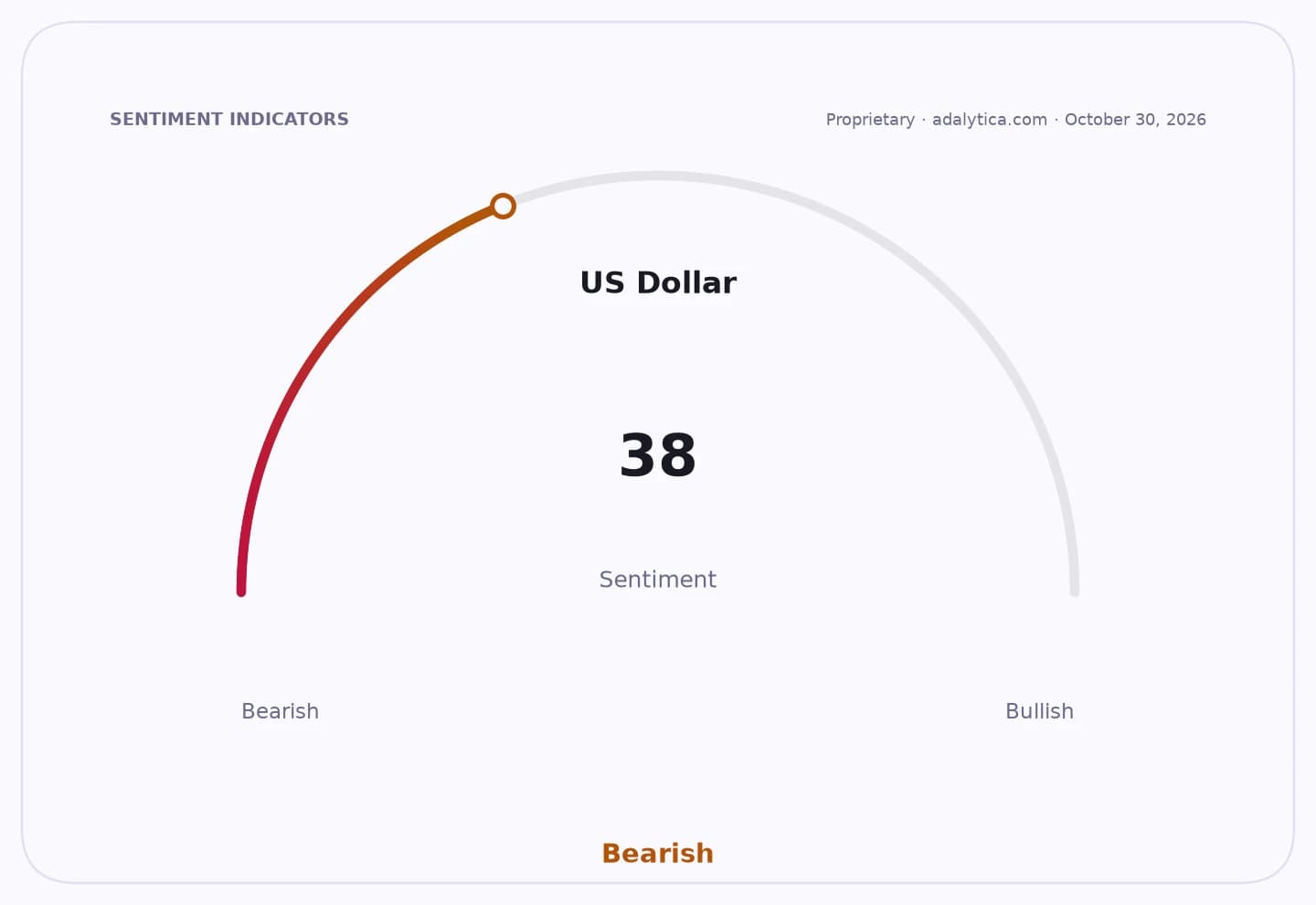
Sentiment Indicators
The target would take the minimum wage from 9,000 pounds now to 15,000 pounds, a 67% increase over roughly four years. That pace is ambitious, but it is also a signal that the government expects inflation to cool enough to permit sustained wage growth in nominal terms. If it succeeds, the policy could help household spending in sectors such as retail, consumer staples and services, where demand has been squeezed by weak real incomes.
The announcement also arrives against a sensitive macro backdrop. Wage policy has become a central issue in emerging markets as governments try to balance social stability with competitiveness. Adalytica’s wage inflation sentiment gauge shows extreme greed, reflecting heightened market attention to labor-cost risks. In Egypt’s case, the upside is political and economic: a broader wage floor could reduce poverty pressures and support domestic demand. The downside is that companies with large labor forces may face higher operating costs, while the state may need to manage wage gains carefully if they spill into broader inflation expectations.
For investors, the key question is whether the wage path will be matched by productivity gains and a steadier macro environment. If real wages rise alongside growth, the policy could bolster consumer-facing businesses and reduce social strain. If not, it risks becoming another cost pressure in an economy still working to stabilize prices, investment and confidence.
| Entity | Gains | Losses |
|---|---|---|
| Egyptian workers | ▲Higher take-home pay | ▼None directly |
| Consumer-facing companies | ▲Stronger household demand | ▼Higher wage bills |
| Egyptian government | ▲Social stability, political goodwill | ▼Budget pressure if pay scales rise broadly |
| Inflation outlook | ▲Better if productivity keeps pace | ▼Worse if wage gains feed prices |