Utilities and governments are trying to keep power affordable even as electricity demand, fuel costs and grid spending keep rising, a combination that is pushing regulators and consumers toward renewables, subsidies and more careful use at home.
Egypt Power Costs, 37% Renewable Supply Next Year
Next year, renewable energy is expected to account for 37% of electricity supply, according to the Ministry of Electricity and Renewable Energy, as officials seek to reduce dependence on traditional fuels without triggering a sharp jump in household bills. The ministry says the state is still subsidizing electricity by 371 billion pounds, while recent tariff adjustments have saved 15 billion pounds a year.
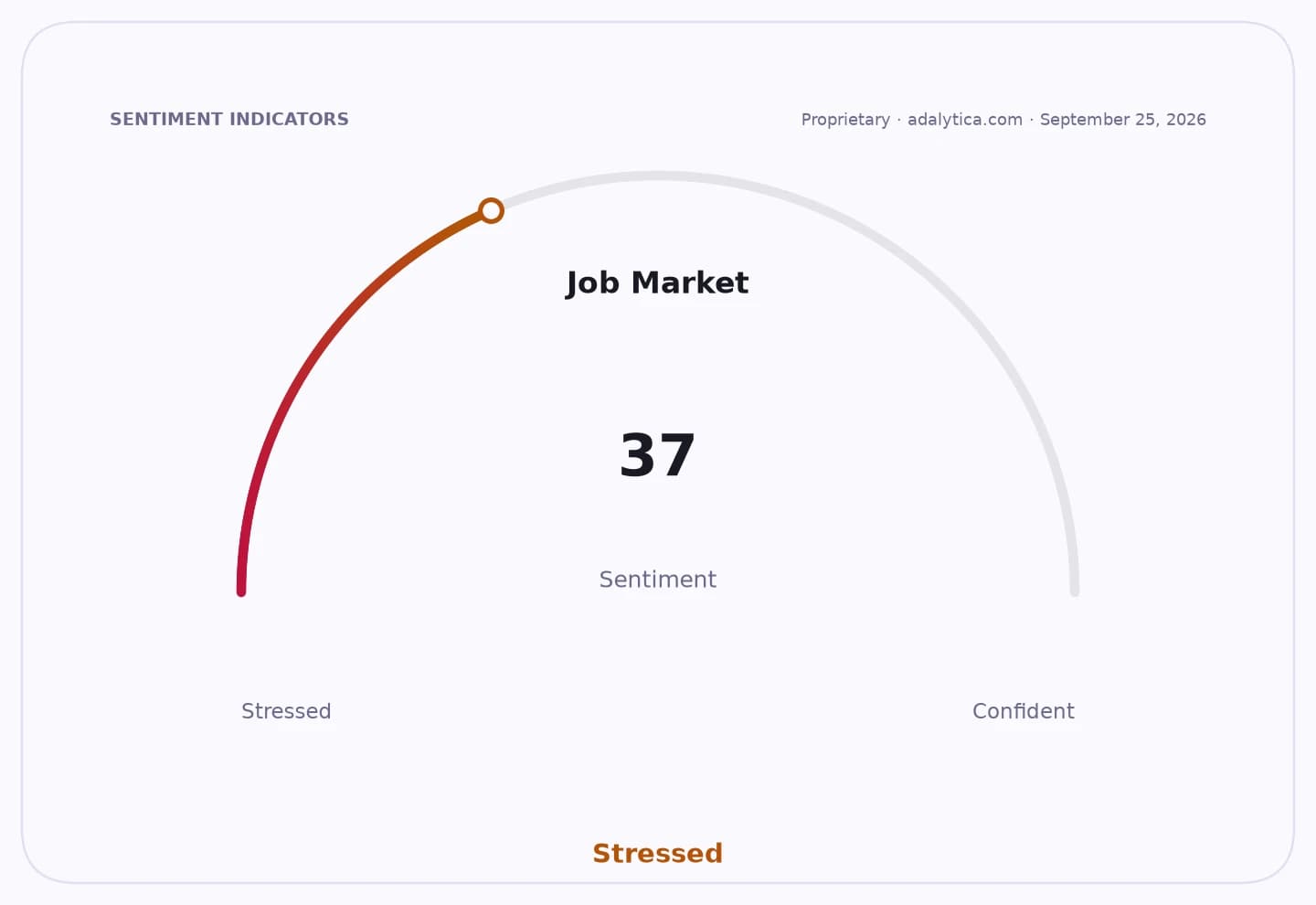
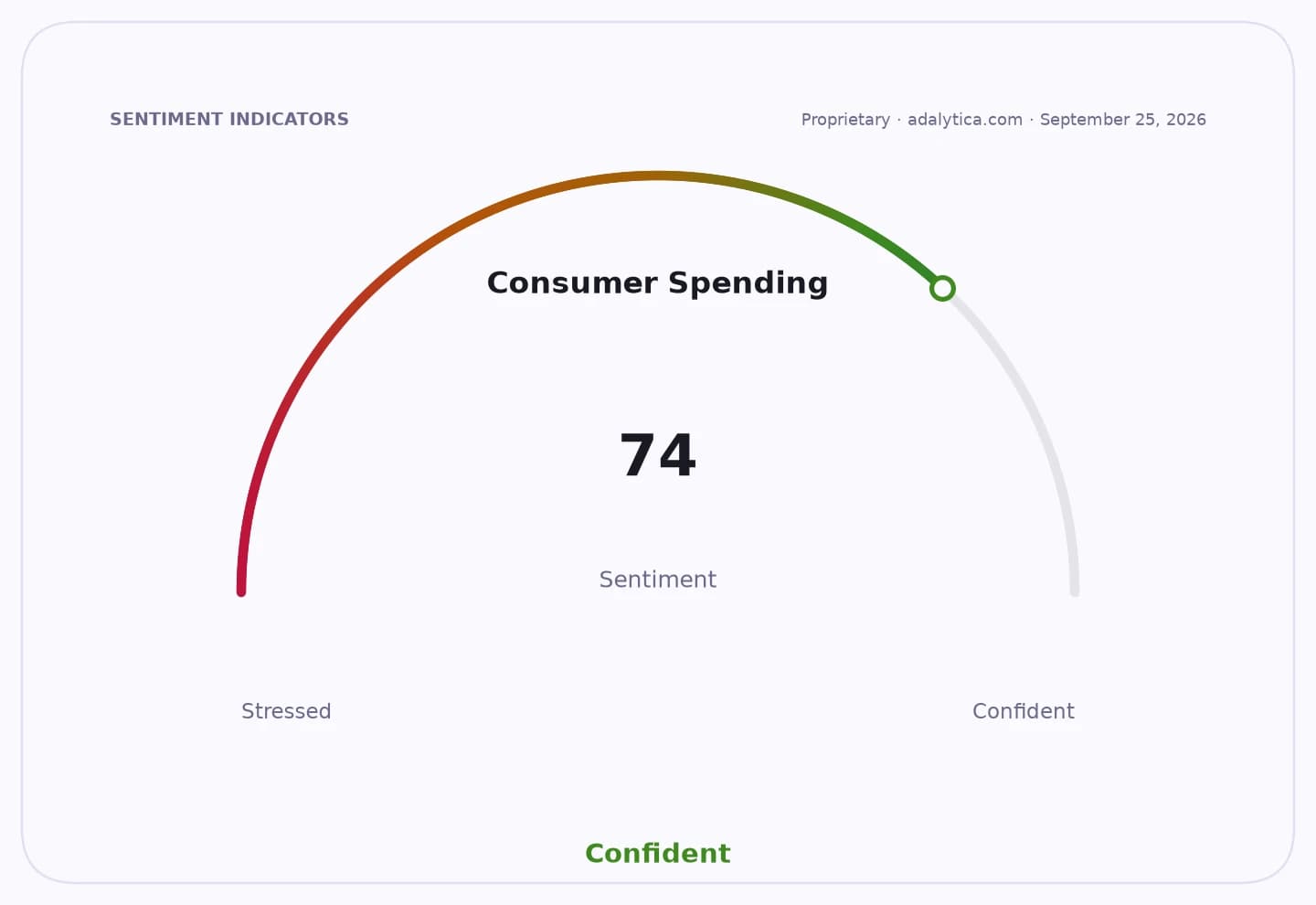
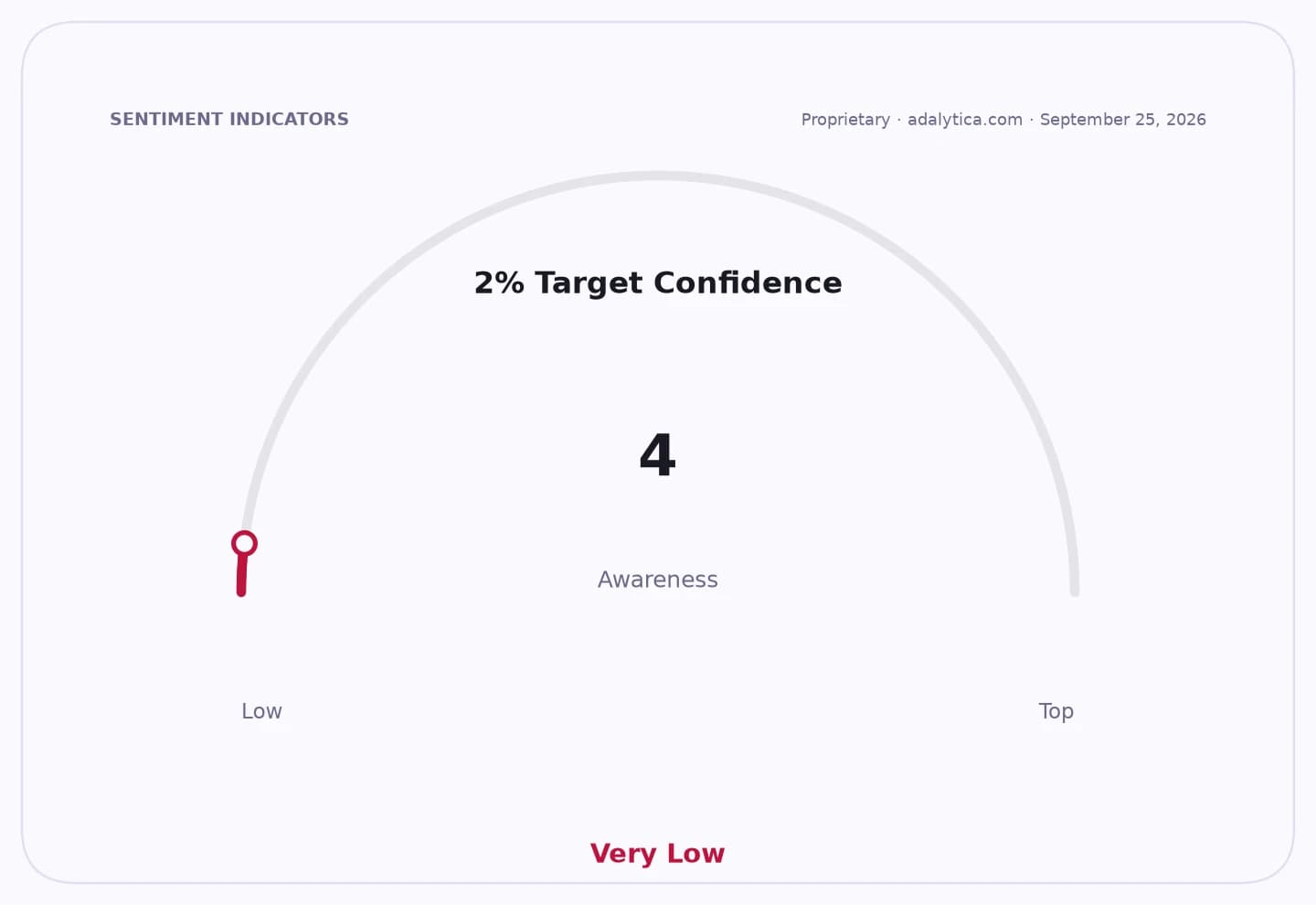
Sentiment IndicatorsⓘProprietary · adalytica.com · August 2, 2026
This is a snapshot — live sentiment, awareness and momentum for 130+ markets update continuously in the dashboard.Open AlphaPulse
That balance matters because power is becoming a bigger macro issue, not just a utility story. Higher electricity costs feed directly into consumer inflation, squeeze disposable income and raise operating expenses for factories, retailers and data centers. With Egypt’s CPI still elevated and producer prices also higher than pre-pandemic levels, power policy has a direct bearing on household budgets and broader price pressures.
For investors, the story sits at the intersection of regulation, earnings quality and capital spending. Utility companies can only recover rising costs if regulators allow it, which is why firms such as Southern Co. and Duke Energy have been flagging affordability concerns and the need for constructive rate environments in recent filings. NextEra Energy, meanwhile, is leaning on customer growth and clean-energy buildout, while Duke is working through North Carolina settlement talks tied to rate adjustments.
The market backdrop reinforces the pressure on income-oriented stocks. The Utilities Select Sector SPDR Fund has been trading close to its 50-day and 200-day moving averages, suggesting investors are watching for either steadier bond yields or fresh rate relief before pushing the group much higher. Treasury yields near 4.7% keep the sector’s dividend appeal in play, but also raise the bar for utilities that need heavy investment returns.
The ministry’s push to add more solar licenses and explore tidal power points to a longer-term shift: lower fuel exposure, more grid resilience and a slower path to bill increases if capital costs stay contained. The near-term risk is that subsidized prices, infrastructure spending and rising demand still leave households and companies exposed to higher electricity costs if governments are forced to pass more of the burden through.
| Entity | Gains | Losses |
|---|---|---|
| Households | ▲Subsidized bills | ▼Hidden fiscal burden |
| Renewable developers | ▲New licenses, demand growth | ▼Policy delays |
| Utilities | ▲Cost recovery, rate support | ▼Affordability pressure |
| Consumers and factories | ▲Cleaner power supply | ▼Higher electricity charges |