Fitch’s decision to keep Egypt at ‘B’ with a stable outlook reflects an improving external position and a policy mix that is holding together after a year of currency strain and imported inflation.
Egypt Rating Held at B as Reserves Rise
The ratings firm said Egypt’s gross international reserves rose $5.5 billion in the first eight months of 2026 to $54.4 billion, while the central bank’s net foreign asset position climbed to $19 billion in August. Those gains matter because they give Cairo more room to absorb shocks, support the pound and reduce the risk of a balance-of-payments squeeze that has repeatedly tested the economy over the past two years.
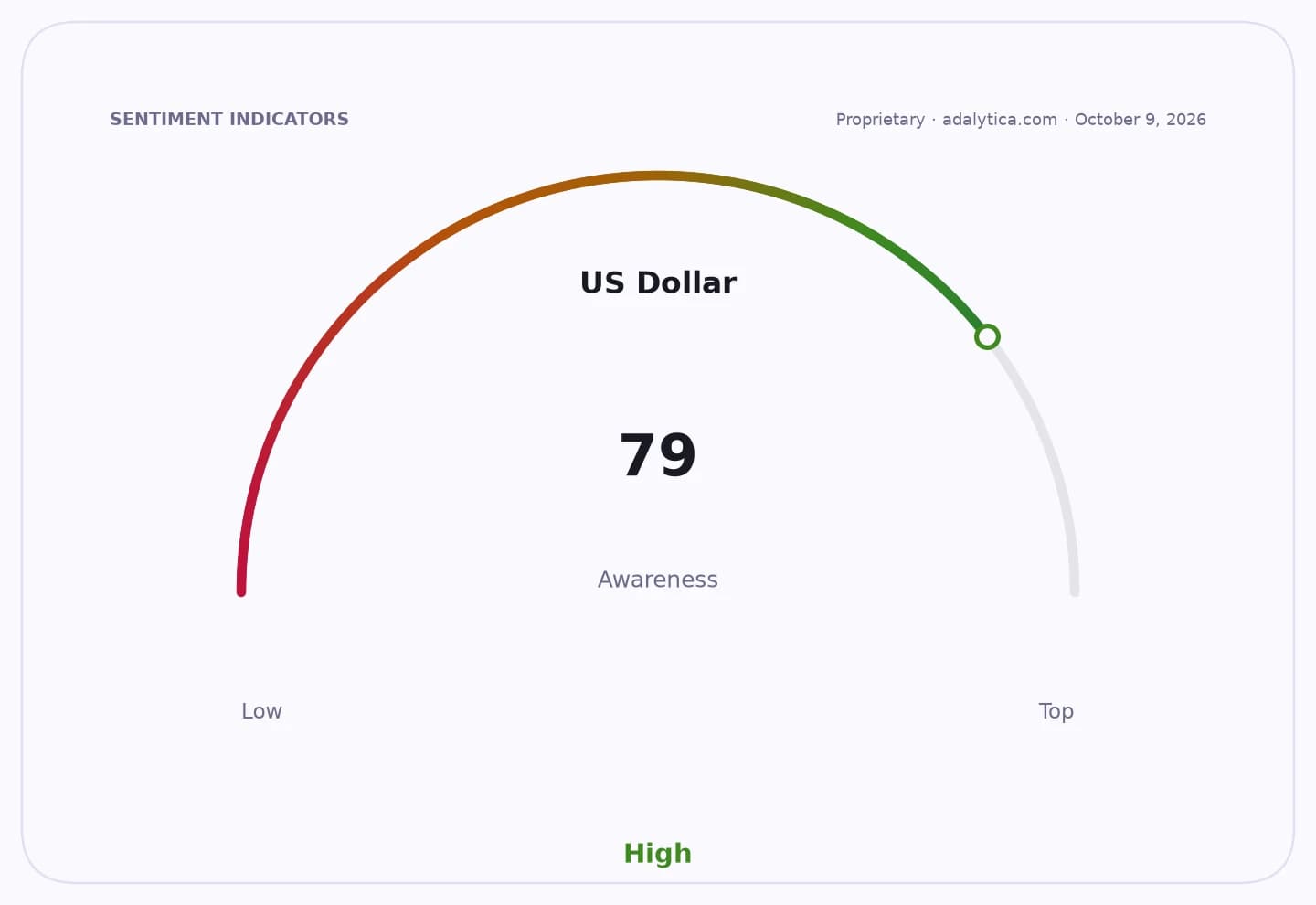
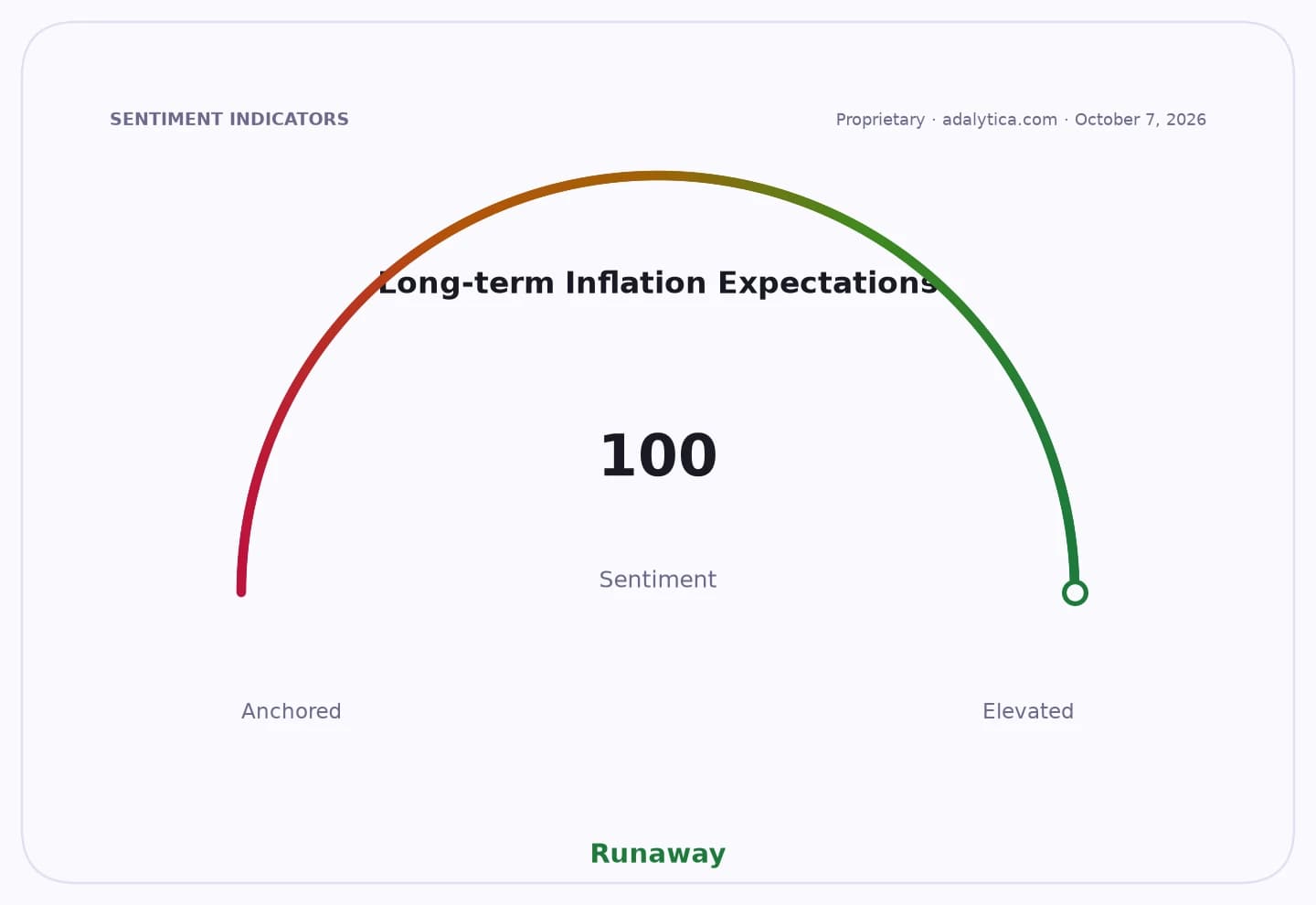
Sentiment IndicatorsⓘProprietary · adalytica.com · October 10, 2026
This is a snapshot — live sentiment, awareness and momentum for 130+ markets update continuously in the dashboard.Open AlphaPulse
Fitch also expects inflation to ease below 10 percent in FY2027/28, helped by exchange-rate flexibility, tight monetary policy and lower commodity prices. That is important for households and businesses alike: slower price rises should start to restore real incomes, improve planning visibility and allow private consumption and investment to recover from the hit of elevated borrowing costs and volatile import prices.
The agency sees growth moderating to 4.7 percent in FY2026/27 from 5.1 percent in FY2025/26, a reminder that Egypt’s rebound is still incomplete. Inflation is forecast at 12.3 percent in FY2026/27, above the 11.6 percent expected in the prior year, which suggests the disinflation process will remain uneven even as the trend improves.
The external account, however, is moving in the right direction. Fitch expects the current-account deficit to narrow to below 3.5 percent of GDP by FY2027/28 from an estimated 5.1 percent in FY2025/26, helped by a 10 percent rise in tourism receipts and an 18 percent increase in remittances. Higher energy import costs widened the gap this year, but the fact that services exports and worker transfers are helping offset that pressure points to a more durable source of foreign-currency inflows.
For investors, the key message is that Egypt is gradually de-risking, even if it remains a high-yield, high-debt credit. Foreign holdings of government debt fell by about $6 billion during the period of pound weakness, before portfolio inflows resumed as the currency recovered most of its losses. That dynamic underlines a central trade-off in the story: a flexible exchange rate can hurt in the short term, but it is also what helps restore confidence in local assets and keeps foreign funding flowing back in.
Public finances are still the main constraint. Fitch expects general government debt to fall by about 8 percentage points to 72 percent of GDP by end-FY2027/28, while debt interest costs are projected to ease to 52 percent of revenue from 63 percent in FY2025/26. Even so, those numbers remain heavy by emerging-market standards and leave little cushion if growth disappoints, rates stay high or geopolitical shocks push up financing needs again.
The budget deficit is seen widening modestly to 5.8 percent of GDP in FY2026/27 before narrowing below 5 percent the following year, suggesting fiscal repair will be gradual rather than dramatic. Fitch said support from bilateral and multilateral partners remains a key pillar of the rating, alongside Egypt’s potential growth and stronger external buffers.
The more immediate market question is what happens after the IMF programs end in November 2026. Fitch does not expect a new disbursing program immediately afterward, which puts the spotlight on whether Egypt can maintain positive real rates, fiscal consolidation and exchange-rate flexibility without the anchor of fresh external funding. If it can, the credit profile should keep improving; if not, the country could quickly face renewed pressure on reserves, the currency and bond spreads.
| Entity | Gains | Losses |
|---|---|---|
| Egypt | ▲Stronger reserves, easier financing | ▼Still-high debt and inflation |
| Local bondholders | ▲Lower default risk, returning inflows | ▼Currency volatility persists |
| Households and firms | ▲Slower inflation ahead | ▼High borrowing costs now |
| IMF and multilateral lenders | ▲Policy credibility supported | ▼Need for continued discipline |