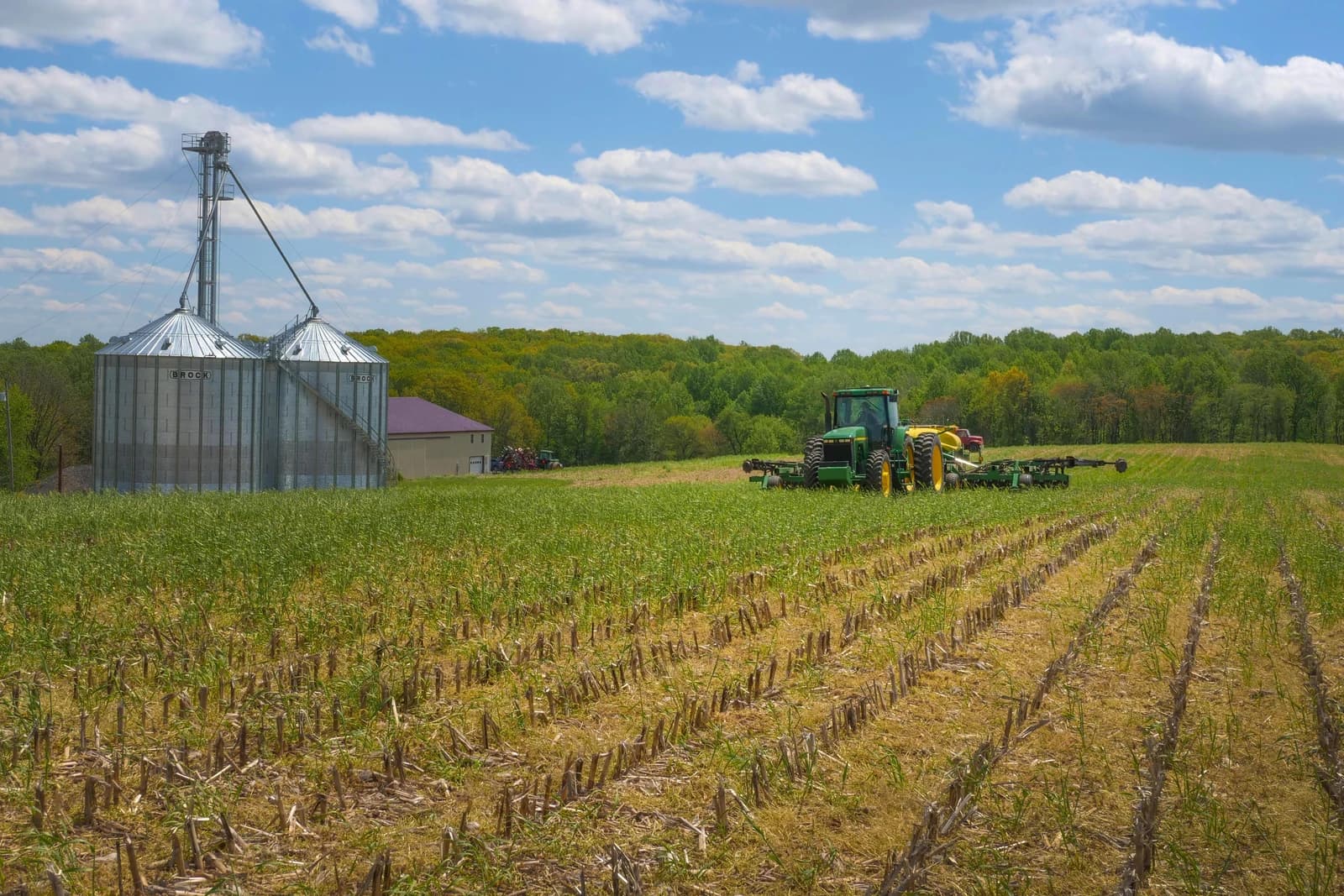
Egypt is moving to lock in wheat supplies earlier than usual, a shift that could steady farm incomes, improve planting decisions and reduce the risk of supply shocks in the Arab world’s biggest wheat importer.
Egypt Wheat Prices Move Earlier for 2025-2026 Season

The state’s push to announce strategic crop prices ahead of the 2025-2026 season — alongside a move toward contract farming — changes the economics for growers who have long faced uncertainty over where and at what price they could sell. For a country that spends heavily to secure bread security, the policy is also a bid to keep more wheat in the domestic system and curb exposure to volatile global markets.
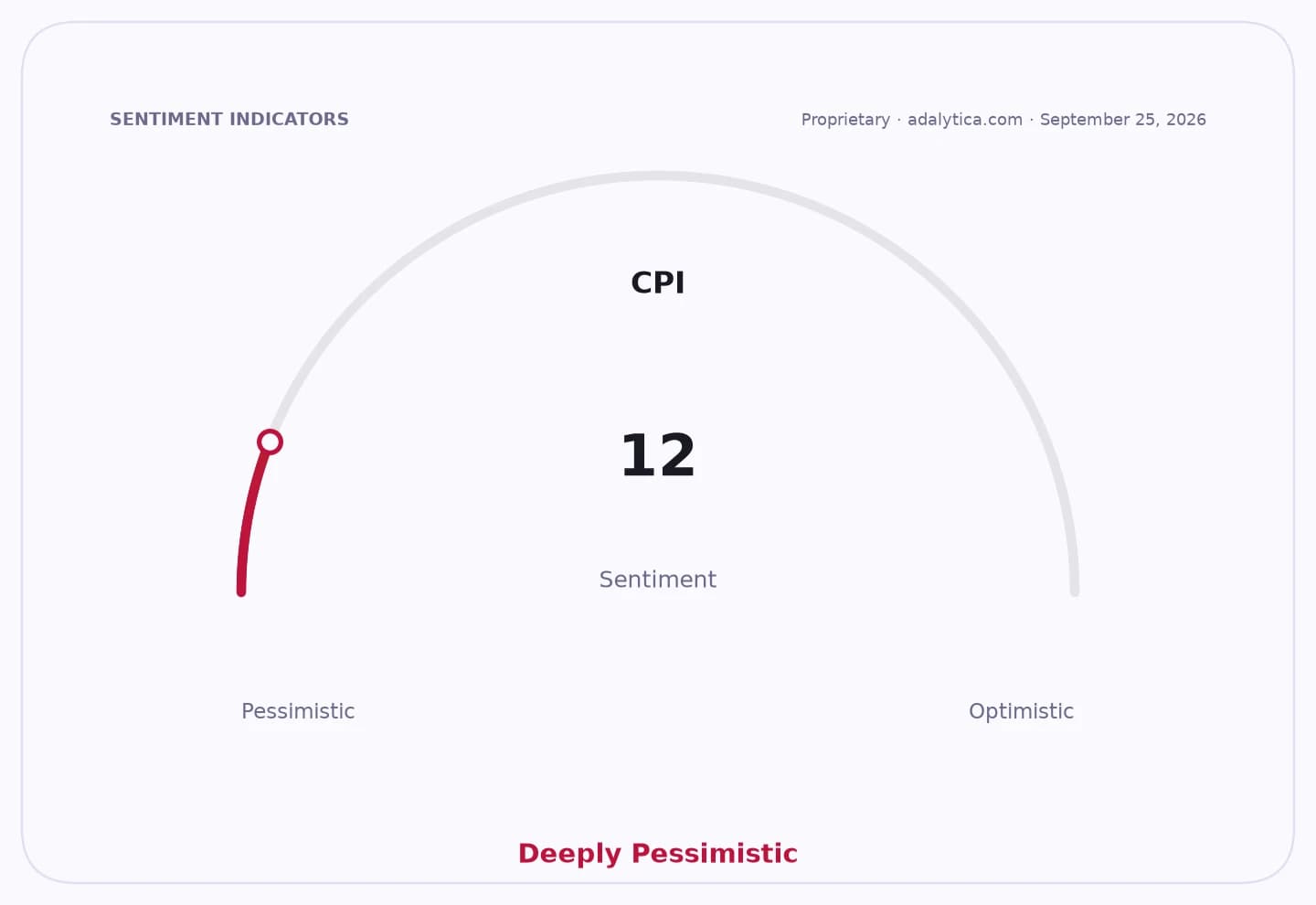
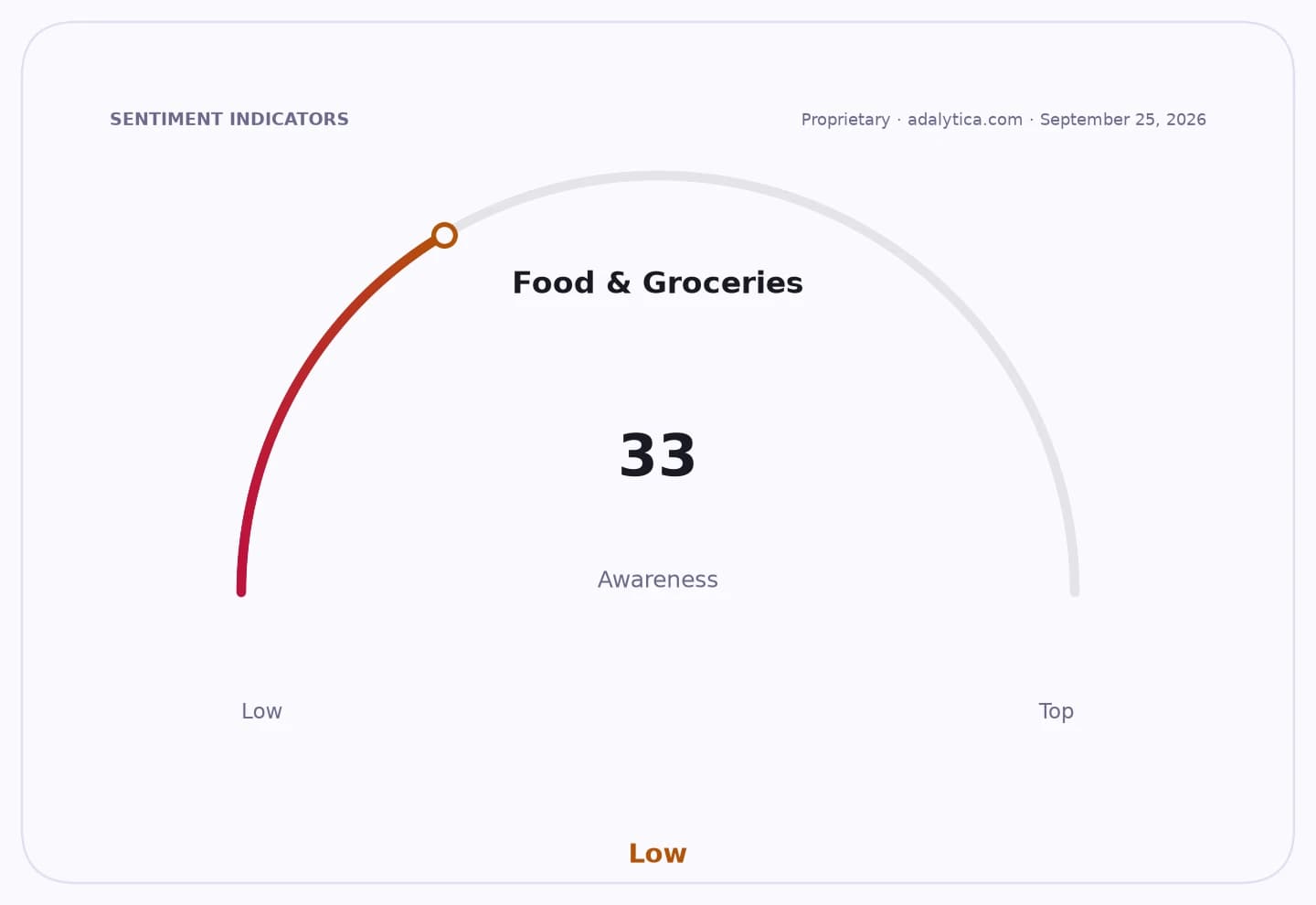
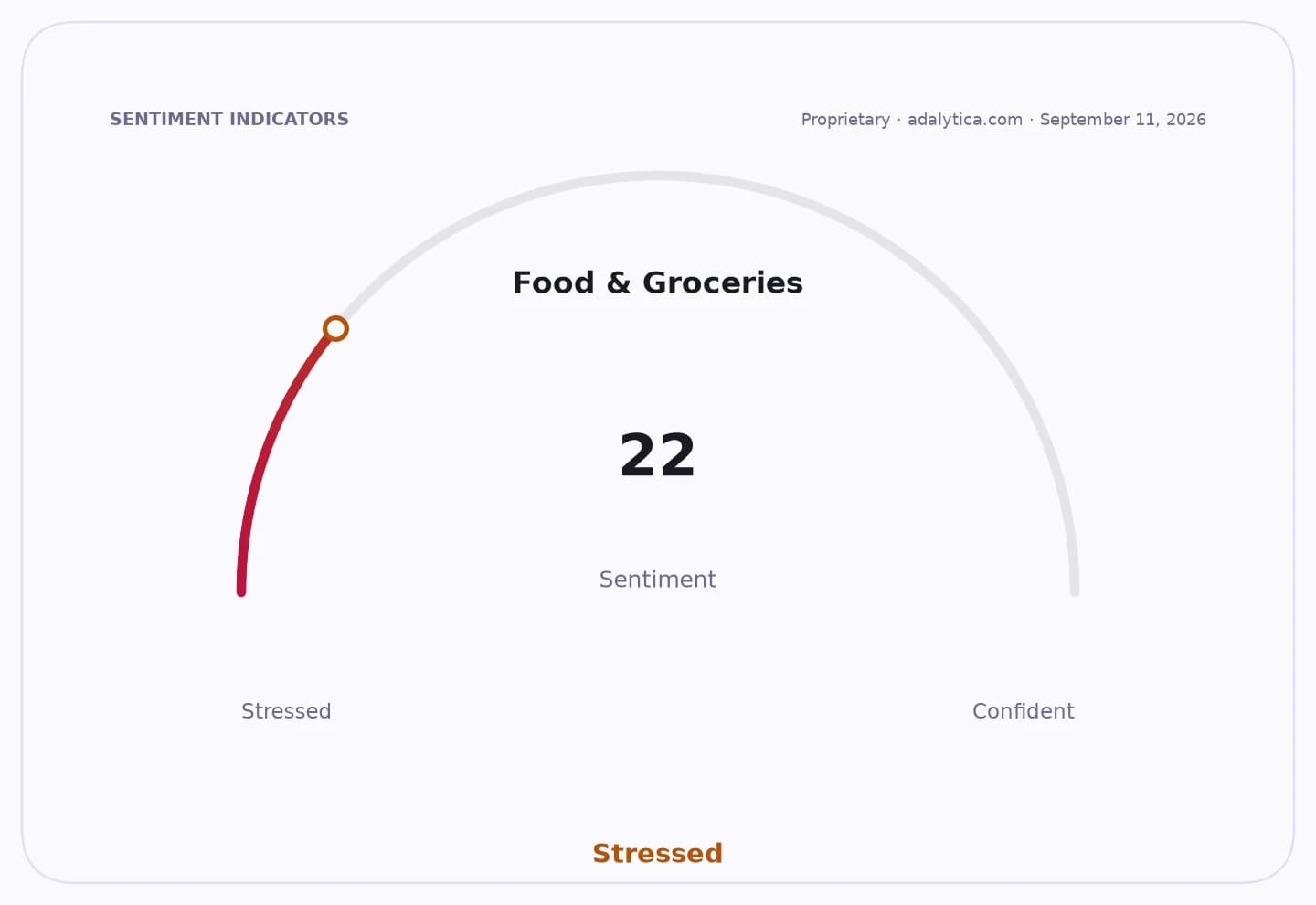
Sentiment IndicatorsⓘProprietary · adalytica.com · September 9, 2026
This is a snapshot — live sentiment, awareness and momentum for 130+ markets update continuously in the dashboard.Open AlphaPulse

The timing matters. Global wheat prices remain sensitive to weather, shipping disruptions and erratic trade flows, while Saudi Arabia’s cancellation of a recent wheat tender underscored how fragile procurement has become across importing countries. Against that backdrop, Egypt’s effort to support farmers more directly is not just agricultural policy; it is food security management and inflation control.
The broader message is that Cairo is trying to shift from ad hoc support to a more organized farm procurement model. Early price visibility lowers the chance that farmers switch acreage away from wheat, while contract farming can improve delivery certainty, quality control and planning for mills and state buyers. That makes the policy economically important because wheat is not a discretionary crop in Egypt — it is a strategic input into social stability.

Investors should read this as a signal that the state is willing to use more formal mechanisms to secure supplies, which can stabilize the local agribusiness chain and support related logistics, storage and milling activity. It also strengthens the case for companies tied to agricultural inputs, grain handling and food distribution, while pressuring traders who rely on price dislocation and import dependence.
The setup leaves Egypt better positioned if global grain markets tighten again. But it also raises the stakes for execution: if guaranteed prices are too low, planting incentives weaken; if they are too high, the fiscal burden rises. The market will be watching whether this becomes a durable procurement framework or another seasonal intervention.
| Entity | Gains | Losses |
|---|---|---|
| Egyptian farmers | ▲Price certainty | ▼Selling risk |
| State grain buyers | ▲Supply visibility | ▼Higher procurement costs |
| Local milling and logistics firms | ▲Steadier volumes | ▼Margin pressure from controls |
| Global wheat traders | ▲Less demand volatility | ▼Fewer pricing gaps |