Dry crops should be sown as India looks for alternatives to rice during El Niño, a shift that matters far beyond the farm gate because it could reshape food inflation, fertilizer demand and earnings for major agri-businesses.
El Niño May Reshape India Crop Mix
For investors, the key question is not whether one season’s monsoon is wet or dry. It is whether climate volatility is forcing a more permanent rethink of what India grows, how much it imports and which parts of the agricultural value chain can compound through repeated shocks. When a minister urges farmers to move away from water-hungry rice in an El Niño year, he is signaling that weather risk is no longer a temporary nuisance — it is a strategic variable for one of the world’s biggest food markets.
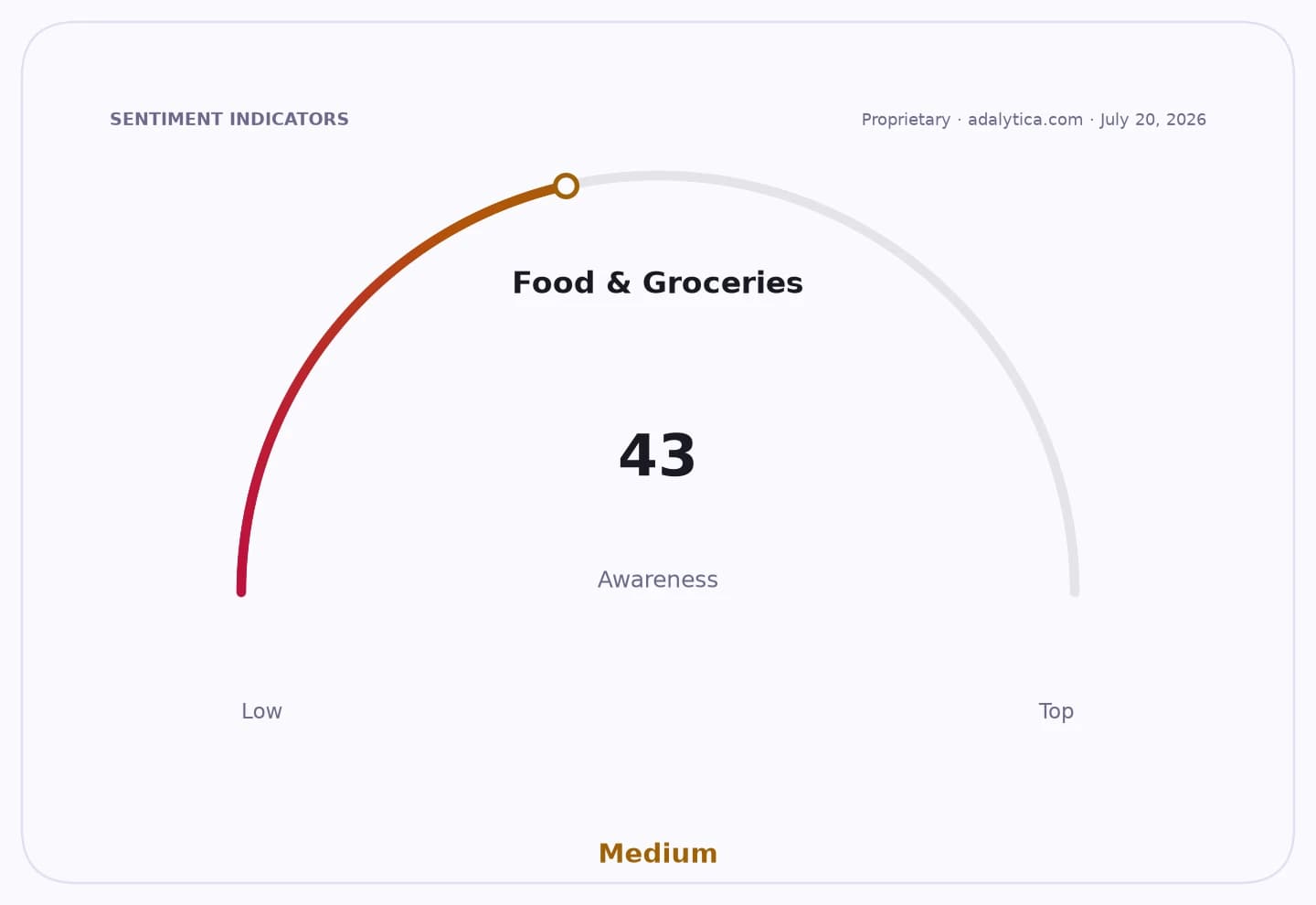
Sentiment IndicatorsⓘProprietary · adalytica.com · July 20, 2026
This is a snapshot — live sentiment, awareness and momentum for 130+ markets update continuously in the dashboard.Open AlphaPulse
That matters economically because rice is not just a crop, it is a policy pillar. Any sustained push toward dryland crops could ease pressure on water tables and reduce the vulnerability of harvests to uneven rainfall. It could also change the mix of crop inputs, from seeds to crop nutrients, and influence the pricing power of companies that sell into farm economies. Recent rain has helped revive stressed Kharif fields, but the larger lesson is that farmers and policymakers are being pushed toward resilience, not just recovery.
The market is already telling part of that story. In the U.S., grain and agribusiness stocks have been moving with the weather and with expectations for input demand. Archer-Daniels-Midland has climbed sharply this month, while Bunge has also held firm after a powerful run earlier in the year. Mosaic, by contrast, has been much weaker, reflecting how fertilizer names can be hit when crop economics soften or when investors doubt pricing power. Those swings underline a simple point: climate shocks can create winners and losers even when they do not cause outright crop failure.
For long-term investors, the more durable takeaway is that food systems are becoming more adaptive. The context here points to broader efforts to develop resilient crop varieties and expand cultivation beyond staples such as rice. That should be constructive for seed companies, agricultural inputs providers and diversified food processors that can benefit as farmers reallocate acreage and governments prioritize supply security. It also keeps food inflation in the conversation, which matters for central banks, consumers and emerging-market policy makers alike.
The risk, of course, is that weather damage can still arrive late in the season, and policy shifts can be uneven or slow to reach the field. But the investment case is increasingly about owning the businesses that help agriculture bend without breaking. If El Niño accelerates a move toward hardier crops and smarter inputs, the companies best positioned for that transition could see their competitive advantages strengthen over years, not quarters.
For investors, this is a reminder to think in portfolios, not predictions. The best approach may be to stay diversified across agri-inputs, food processors and global commodity names, then let the secular need for climate resilience do the compounding. It’s a trend worth watching closely — and one that could reward patient investors who focus on the businesses helping farmers adapt.
| Entity | Gains | Losses |
|---|---|---|
| Dryland crop growers | ▲More acreage demand | ▼Less water stress |
| Rice-dependent farmers | ▲Policy support in transition | ▼Pressure to diversify |
| Agribusinesses like ADM and BG | ▲Stronger trading and origination demand | ▼Weather-driven volatility |
| Fertilizer names like MOS | ▲Input demand if crop mix broadens | ▼Pricing pressure if farm margins weaken |