El Niño is set to keep food prices and water stress elevated well into 2027, a risk that investors and central bankers may be underestimating as the weather event amplifies supply shocks in commodities already showing strain.
El Niño Inflation Risk Extends Into 2027
5-Year Breakevens
JPMorgan’s climate team says the inflationary effect of the current El Niño could outlast the warming in the Pacific itself, with impacts on agriculture and commodity markets lingering after ocean temperatures start to cool. That matters because food inflation feeds directly into headline consumer prices, taxes household budgets and complicates the path for interest-rate cuts just as markets are trying to price a softer inflation backdrop.
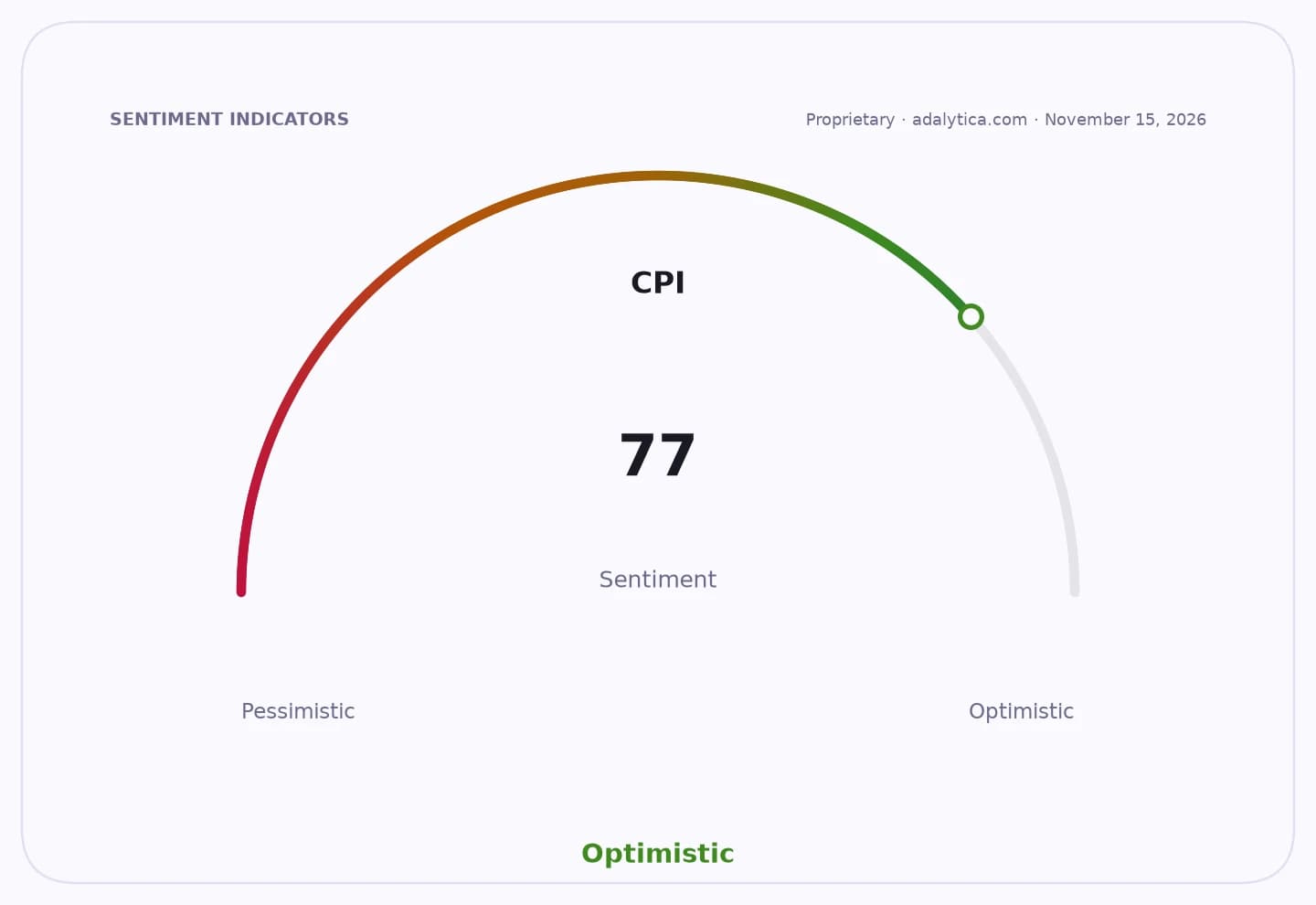
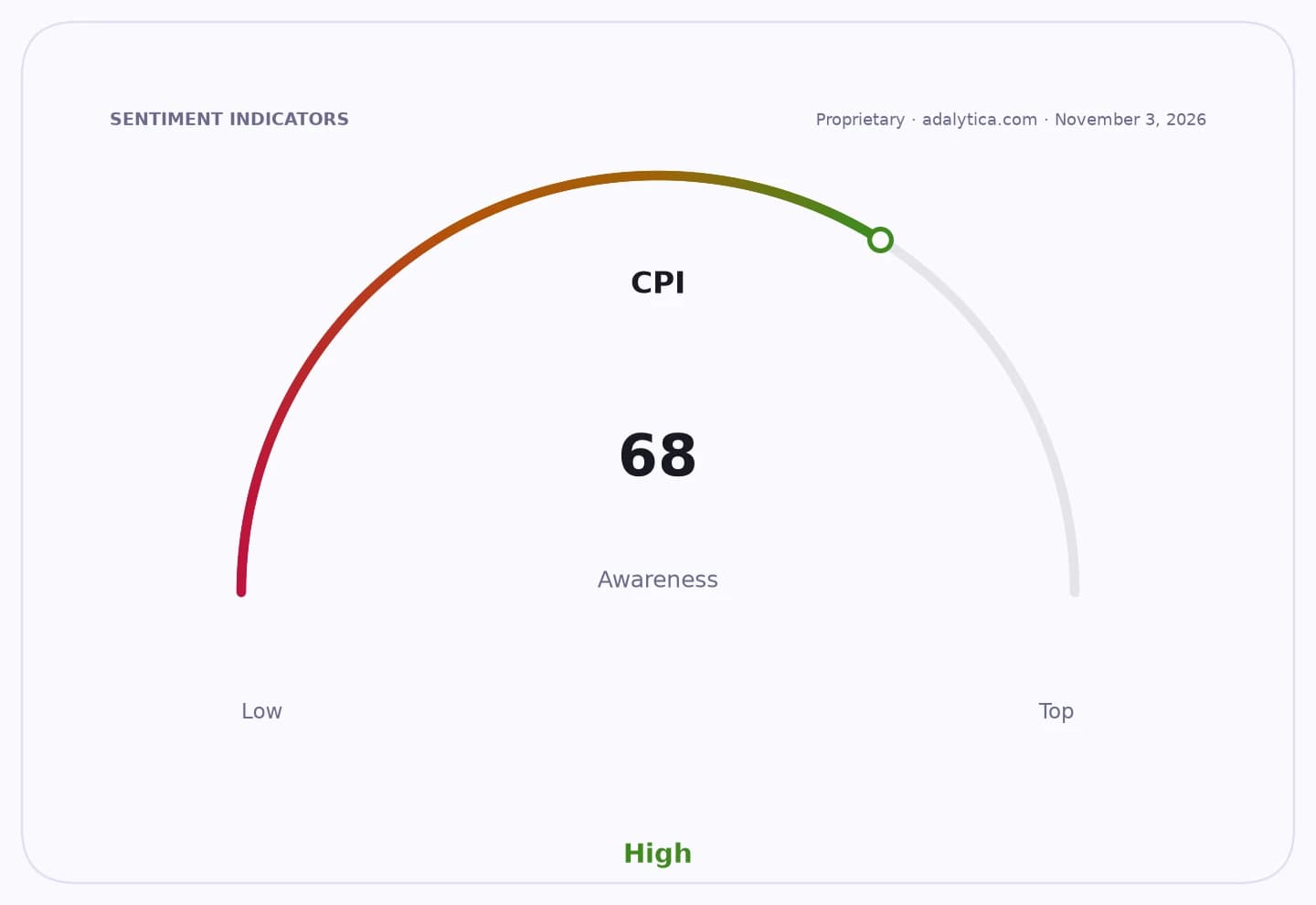
Sentiment Indicators
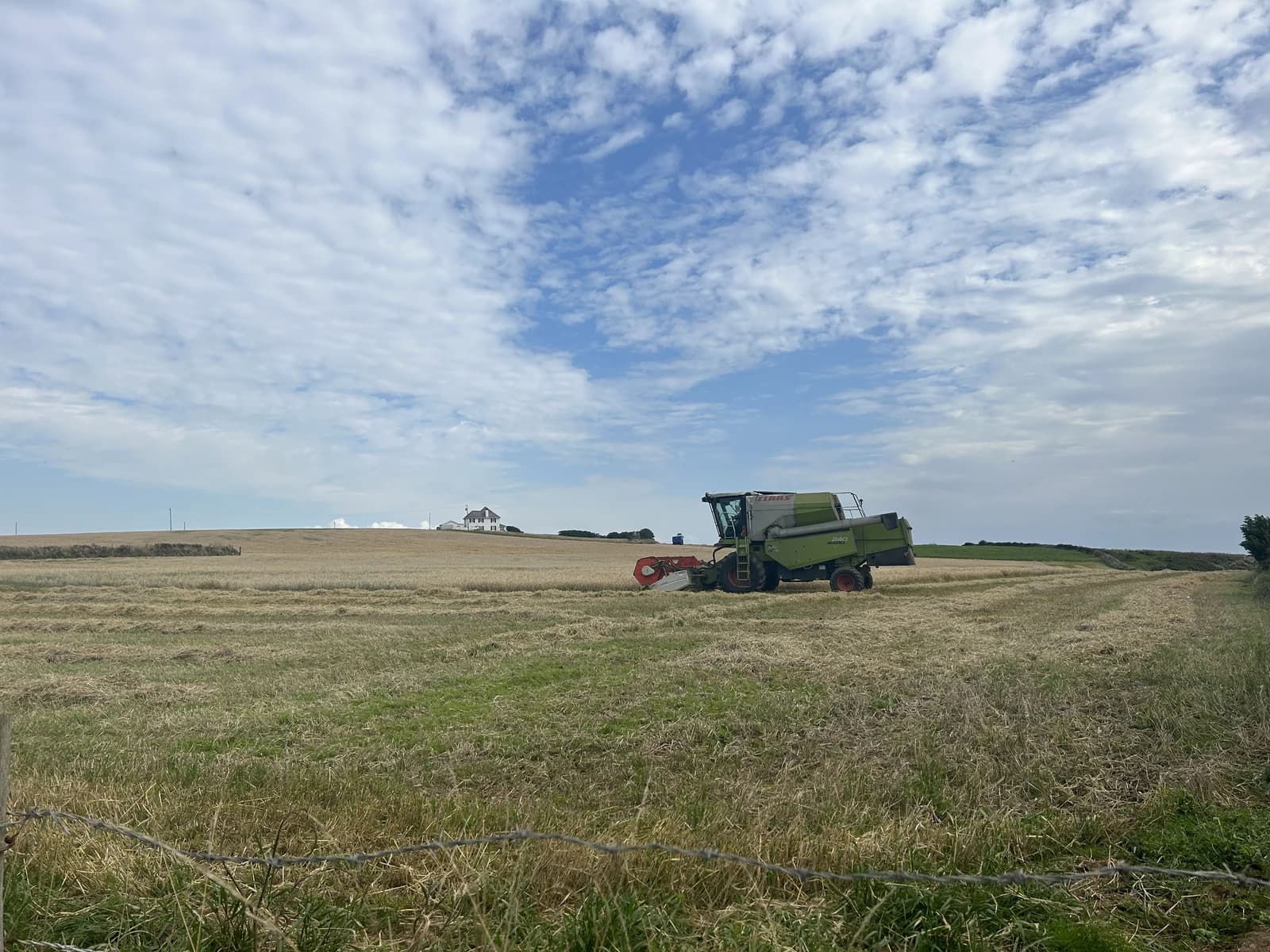
The market is already flashing warning signs. Since El Niño was formally announced in June, futures prices have jumped 40% for cocoa, 37% for rice, 25% for sugar and 17% for coffee. Those are not abstract weather trades; they are the raw inputs behind everyday grocery inflation, and they hit consumers fastest in emerging markets where food carries a larger share of household spending.
JPMorgan climate strategist Sarah Kapnick said the event “will cause inflationary pressure,” noting that the effects on crops and commodity markets may last longer than past episodes suggest. Cocoa and coffee are especially exposed because they depend on tight temperature and rainfall bands in tropical growing regions. The bank also warned that the hottest conditions next summer could further squeeze supply even after El Niño fades in the Pacific.
That is the key investment point: the market may be treating El Niño as a temporary weather shock when it is really a multi-quarter pricing catalyst. Historical strong El Niño episodes have lifted global agricultural prices by as much as 9%, with the peak often arriving about 16 months after the event begins. This time, the starting point is hotter, the drought risk is broader and the aftereffects may be longer-lasting.
Water stress is the other half of the story. In Germany, low Rhine levels have already restricted coal deliveries to power plants, while in the western U.S. the Colorado River enters winter with reservoirs still depleted by years of drought. Lake Powell and Lake Mead were both roughly 27 to 28 meters below their historical medians in early November, underscoring how little margin there is if snowpack disappoints. A warmer, drier winter would limit runoff, setting up a second year of strain before the next summer heat arrives.
That is why the inflation risk extends beyond food to energy, logistics and public health. JPMorgan’s seasonal climate models show average global temperatures around 1.8C above preindustrial levels next February and March, with some scenarios briefly topping 2C for the first time. Scientists already expect 2026 to be the hottest year on record and 2027 to be even warmer. The result is a market environment where weather shocks are increasingly compounding, not fading.
For investors, the message is to own scarcity. Agriculture-linked ETFs such as WEAT, CORN and DBA have already reflected the tightening narrative, and the technical setup has been choppy rather than resolved, with recent price action still well above long-term trend levels in parts of the complex. The bigger opportunity, though, may be in the second-order beneficiaries: fertilizer producers, grain handlers, water infrastructure, irrigation equipment and select food processors with pricing power.
The market underestimates how persistent climate-driven inflation can become when it collides with already-stretched supply chains and depleted water systems. If JPMorgan is right, El Niño is not just a weather event — it is a medium-term macro catalyst that keeps food inflation, volatility and real-asset demand alive through 2027. Investors should position for that regime now, before the next wave of drought and crop damage forces the market to reprice it.
| Entity | Gains | Losses |
|---|---|---|
| Agriculture ETFs (WEAT, CORN, DBA) | ▲Higher crop prices | ▼Volatility after spikes |
| Cocoa, coffee, rice, sugar producers | ▲Higher selling prices | ▼Weather damage to yields |
| Fertilizer and water infrastructure firms | ▲Stronger demand | ▼Margin pressure if costs rise |
| Consumers and central banks | ▲— | ▼Sticky food inflation |