El Niño is emerging as a direct profit hit for livestock farmers, with local industry estimates pointing to losses of USD 141.2 million and a tighter cattle supply that could push meat prices higher.
El Niño May Lift Meat Prices, Pressure Livestock
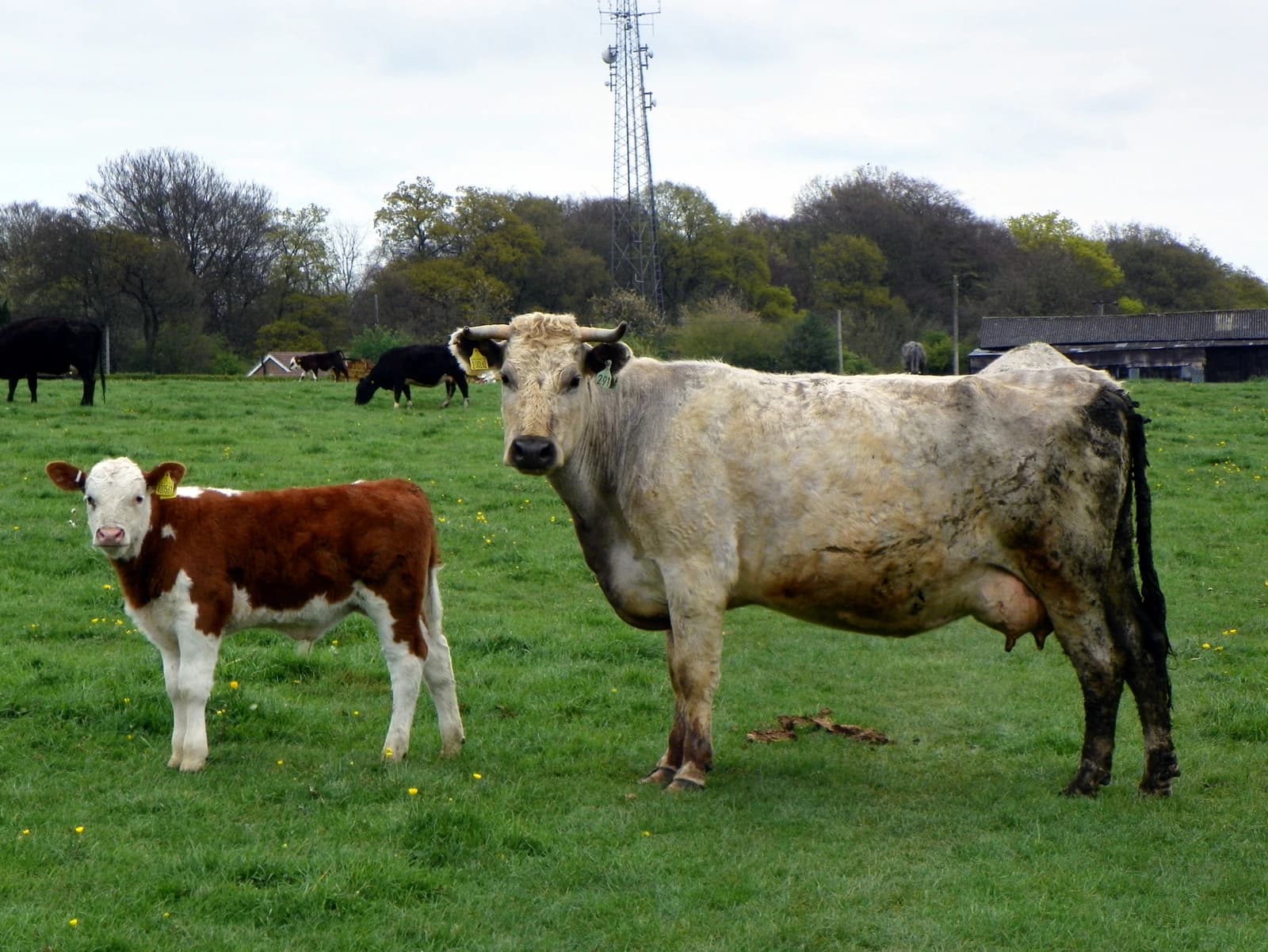
That matters because this is not just a weather story for rural producers; it is an inflation and margin story for consumers, processors and food retailers. When pasture quality weakens and animal losses rise, the supply chain gets squeezed from the farm gate to the supermarket, and the cost is ultimately passed on where pricing power exists. The livestock union’s warning — “with fewer cattle, the price of meat will be higher” — is exactly the kind of second-order effect the market tends to underestimate until it shows up in margins and household budgets.
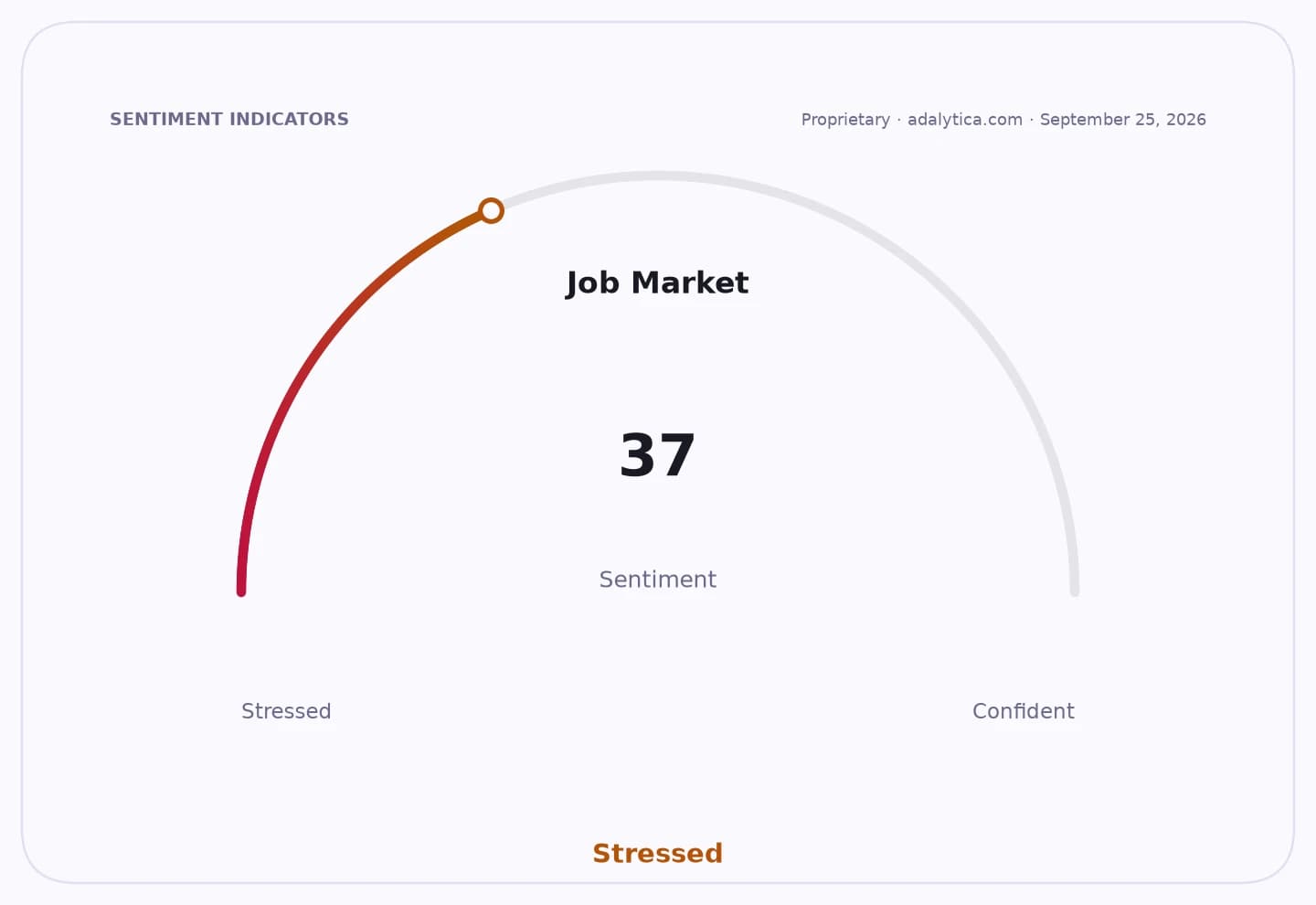
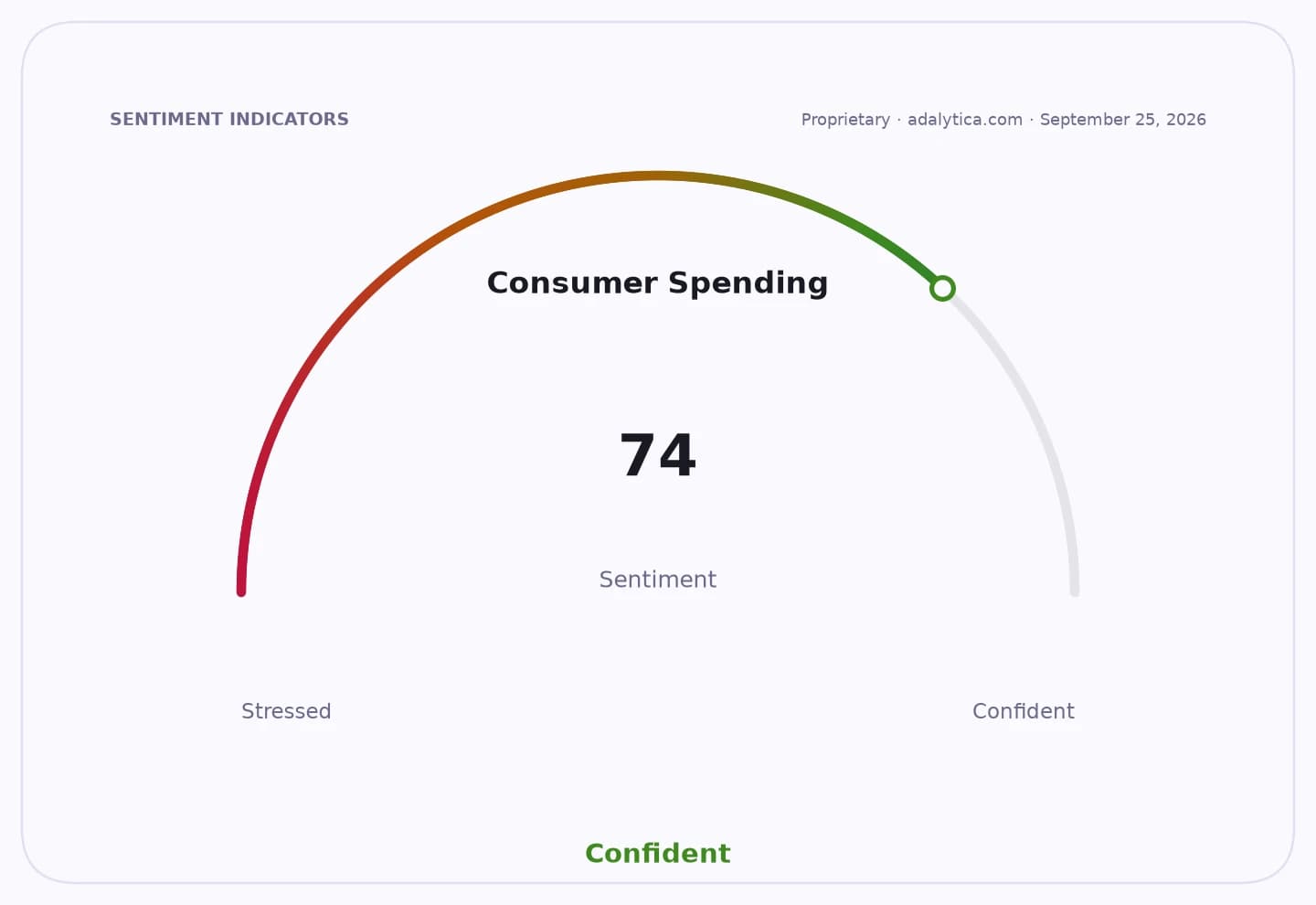
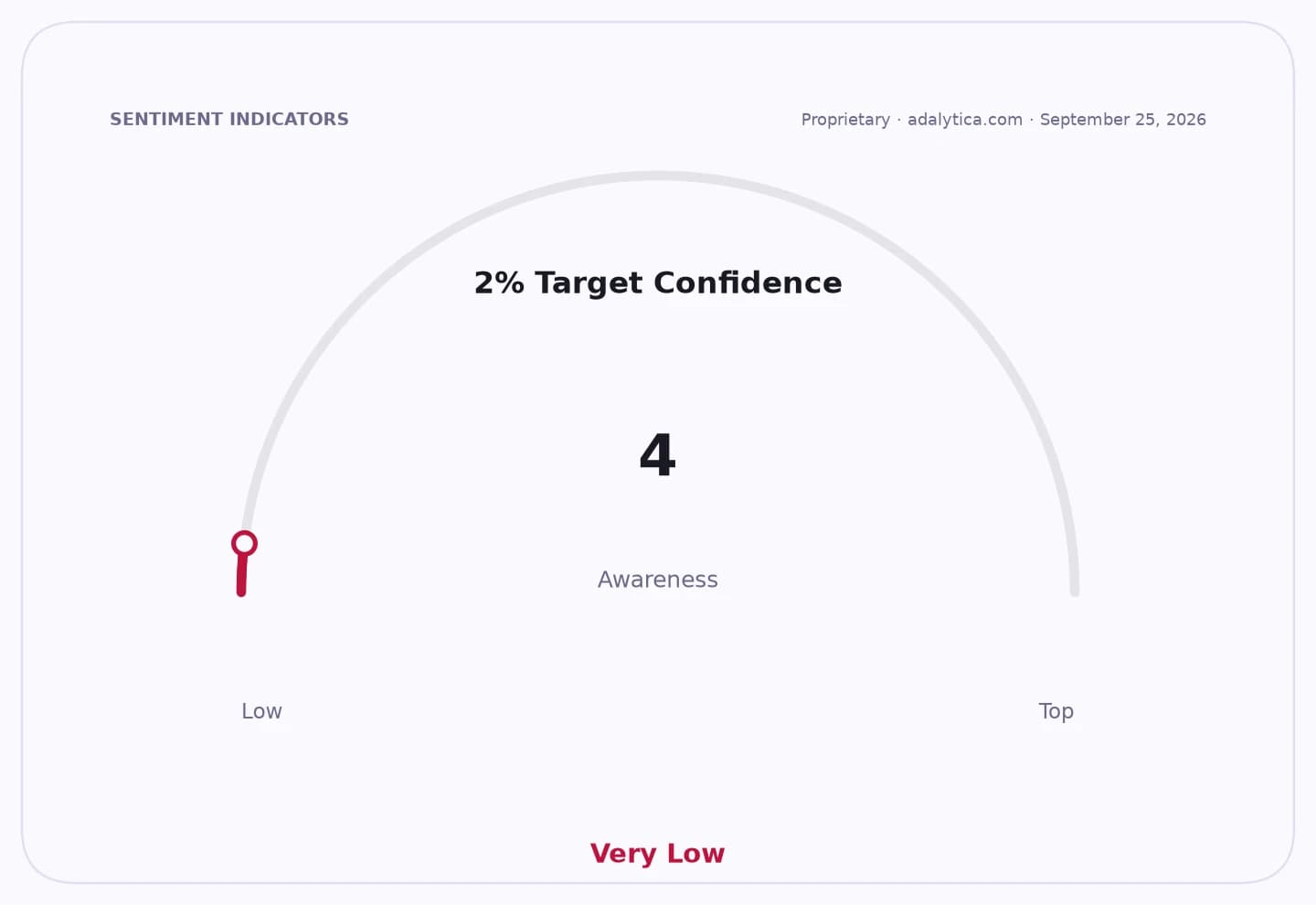
Sentiment IndicatorsⓘProprietary · adalytica.com · July 27, 2026
This is a snapshot — live sentiment, awareness and momentum for 130+ markets update continuously in the dashboard.Open AlphaPulse
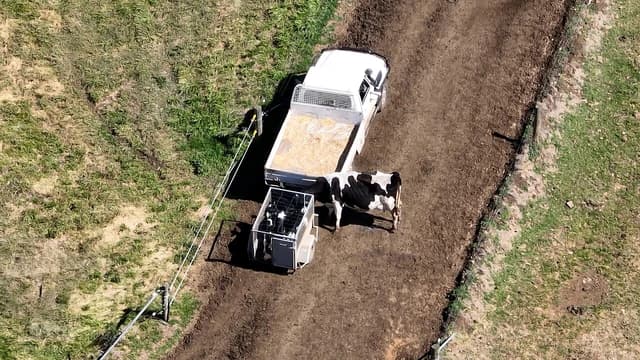
The macro backdrop makes the risk more meaningful. Inflation is still elevated in the broader economy, with the latest U.S. consumer price data showing a forecasted annual reading above 335 on the index, while producer prices are also expected to keep rising. Even where the local data differ, the mechanism is the same: weather-driven food shocks tend to flow quickly into headline inflation and then into consumer sentiment. That is especially important when sentiment is already weak, because higher food bills can pressure discretionary spending and raise political noise around cost of living.
For investors, the trade is about dispersion. Farmers and upstream livestock producers face lower output and potentially higher replacement costs, while meat processors, branded food companies and retailers with strong pricing discipline may be able to defend margins. The latest market action in relevant names reflects that split. JBS has rallied sharply, with the stock surging to 13.55 and its relative strength moving into overbought territory on conventional technical indicators, while LEO has been more volatile and remains below recent highs. Those moves suggest the market is already sniffing out supply tightness, but it may still be early in the rerating if El Niño persists and herd rebuilding stays delayed.
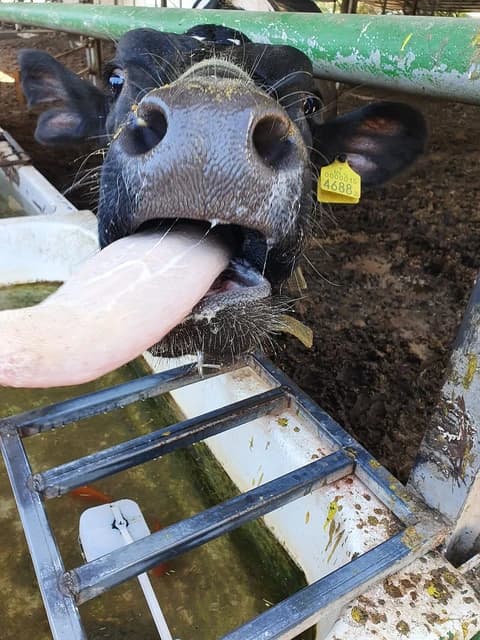
The biggest underappreciated point is that weather shocks create durable winners and losers, not just a one-off spike. Higher cattle prices can lift revenue for integrated meat players with scale, logistics and export reach, but they can also compress downstream margins if consumer demand softens. Companies with diversified protein exposure, strong procurement and the ability to reprice shelves fastest are best positioned. The losers are the smaller producers with less access to feed, less balance-sheet flexibility and no hedge against climate volatility.
Adalytica’s oil and CPI sentiment gauges show extreme fear around inflation and energy, a reminder that investors are already nervous about price instability. That backdrop tends to amplify any food shock, because markets do not just price the direct supply hit — they also price the knock-on effects on consumer confidence, policy and input costs.
My thesis is simple: El Niño is not merely a weather headline, it is a catalyst for a selective food-inflation trade. The market underestimates how quickly cattle shortages can feed into pricing power for the strongest meat and packaged-food names, while weaker livestock producers absorb the pain. If you want exposure, look for the pick-and-shovels of protein processing and the companies with scale, pricing leverage and export optionality. This is an inflection point worth positioning for before meat inflation becomes consensus.
| Entity | Gains | Losses |
|---|---|---|
| Meat processors | ▲Higher pricing power | ▼Input-cost squeeze |
| Livestock farmers | ▲— | ▼Herd losses, lower output |
| Branded food companies | ▲Pass-through margins | ▼Consumer pushback |
| Consumers | ▲— | ▼Higher meat prices |