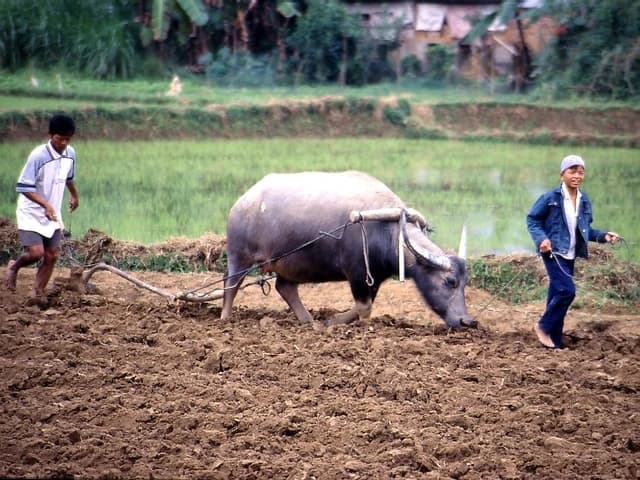
A severe El Niño could put as much as 350,000 hectares of winter-spring rice in Vietnam’s Mekong Delta at risk in 2027, setting up a supply shock in one of Asia’s key rice bowls and reinforcing a bullish backdrop for grain prices.
El Niño Risk Could Lift Rice and Grain Prices

The warning matters because the Mekong Delta is central to Vietnam’s export machine and to regional food security. Any weather hit to winter-spring output would ripple through rice inventories, export volumes and farm incomes, with import-dependent countries likely forced to pay up for supplies or scramble for alternatives.
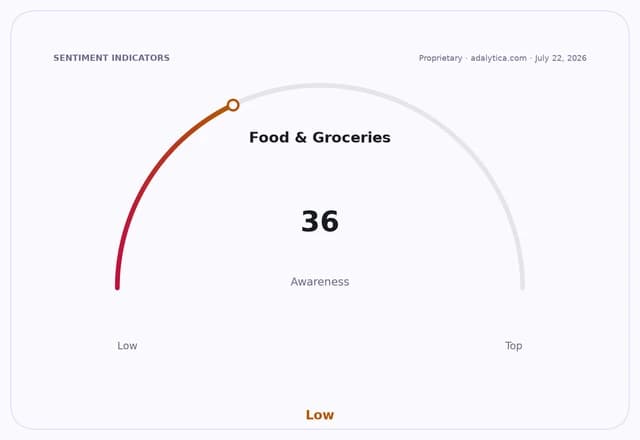
Sentiment IndicatorsⓘProprietary · adalytica.com · July 22, 2026
This is a snapshot — live sentiment, awareness and momentum for 130+ markets update continuously in the dashboard.Open AlphaPulse
Investors are already treating grains as a hotter trade. The Teucrium Wheat Fund has climbed to $25.20 from $20.60 in late September, while the Teucrium Corn Fund has risen to $18.01 from $17.72, reflecting a broader bid for crop exposure as weather risk builds. The Invesco DB Agriculture Fund is also higher, at $28.15 from $25.67 in August, underscoring demand for a basket hedge against tightening food markets.
The move comes against a mixed macro backdrop. U.S. consumer prices are still forecast to rise, with CPI projected at 335.512 in July after 332.568 in June, while producer prices are seen accelerating to 295.8433 from 286.827. That combination keeps food inflation on investors’ radar, especially if climate disruption lifts rice and other staple costs.
Energy prices are also part of the equation. U.S. crude has swung sharply, but a recent rise to $79.20 a barrel from $72.45 a day earlier feeds into farm costs through fuel, transport and fertilizer, making any weather-driven supply squeeze more inflationary for growers and consumers alike.
The market is signaling that food-related spending remains sensitive. Adalytica’s Food and Grocery Spending Sentiment gauge is at 93, labeled Extreme Greed, suggesting traders and consumers alike are paying close attention to any shock that could filter into retail prices and margins.
For agribusinesses, the stakes are broader than rice alone. Grain traders, processors and fertilizer suppliers can all see volumes, pricing power and hedging activity shift when weather threatens output, while importers and food makers face higher procurement costs if Southeast Asian supply tightens. The risk also lands at a time when South American crop demand is described in company filings as softening and global farm markets remain vulnerable to geopolitics and input-price swings.
The next catalyst is the progression of the 2026-27 weather pattern and any government response from Hanoi and regional buyers. If El Niño strengthens, rice-linked assets, food inflation hedges and agricultural supply chains could all face renewed volatility into 2027.
| Entity | Gains | Losses |
|---|---|---|
| Rice exporters with usable inventory | ▲Higher prices | ▼Weather-hit output |
| Importing governments and food buyers | ▲None | ▼Higher procurement costs |
| Grain ETF holders | ▲Hedging upside | ▼Poor harvest risk |
| Vietnamese farmers in unaffected areas | ▲Better selling prices | ▼Regional supply shock |




