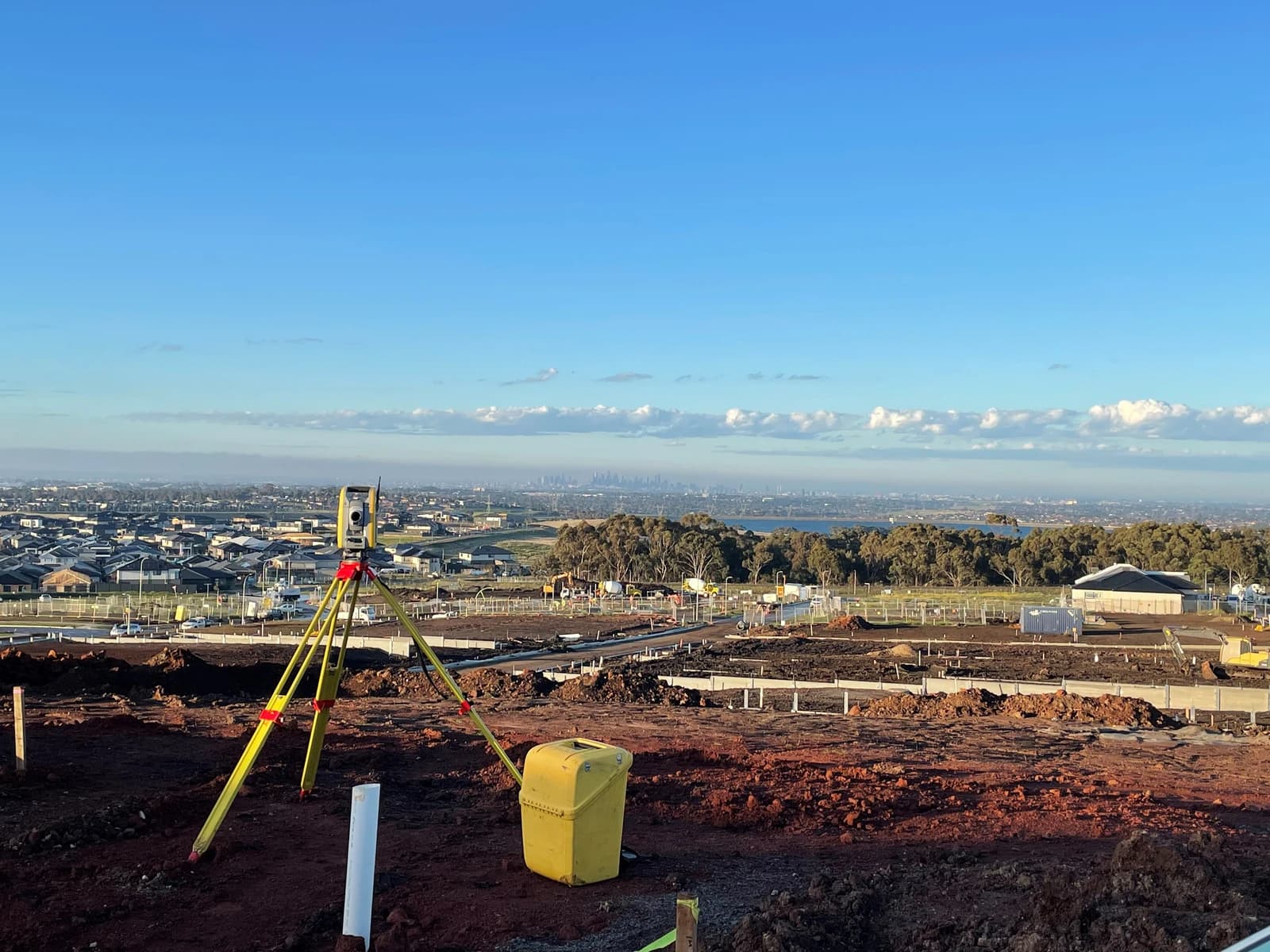
India’s office market is moving into a broader, more durable growth phase as artificial intelligence work from smaller technology companies and services firms expands demand beyond the traditional Fortune 500 tenant base, Embassy REIT said.
Embassy REIT says India office demand broadens with AI hiring
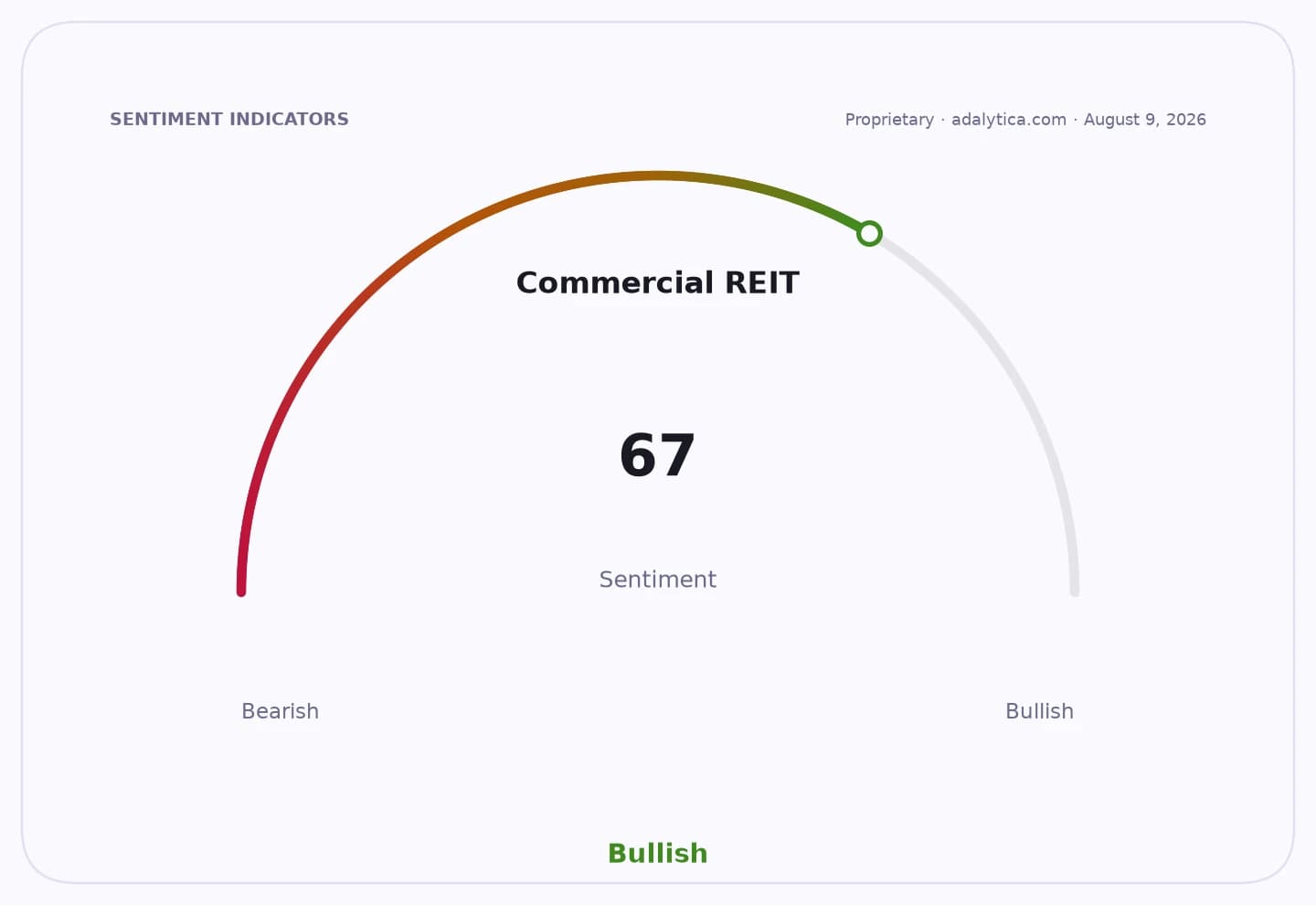
That matters because the country’s premium office leasing story has long depended on a narrow set of large multinationals, especially global capability centres and major outsourcing clients. A more diversified tenant mix makes demand less vulnerable to a single budget cycle or sector downturn, and it improves visibility for landlords at a time when corporate occupiers are still reworking space needs around hybrid work, AI deployment and cost discipline.
The shift also comes as India continues to position itself as a preferred destination for foreign capital and business services. Policy moves in New Delhi aimed at easing foreign direct investment rules and attracting investment reinforce that backdrop, but the more immediate support for office landlords is coming from technology-led hiring and expansion. Embassy REIT’s read-through suggests AI is not just increasing demand for computing capacity and cloud infrastructure; it is also creating a second-order effect in real estate through engineering teams, product development, client operations and support functions that need physical space.
For investors, the implications are clearest for Indian office real estate investment trusts and developers with exposure to Bengaluru, Hyderabad and other tech hubs. A wider customer base can support occupancy, rental growth and lease renewals, and may justify higher valuations if the market concludes that demand has become less cyclical. It also matters against a mixed global real estate backdrop: U.S. rate expectations remain elevated, with the 10-year Treasury near 4.6% and the 2-year around 4.2%, keeping financing costs meaningful for property owners and heightening the value of stable cash flows.
That is why the market is likely to reward landlords that can show not just leasing volumes, but the quality and breadth of demand. Embassy REIT’s message points to a sector where AI is becoming a real estate demand driver in its own right, rather than merely a technology theme.
The key question now is whether that demand can persist if U.S. and global hiring slows, or if it remains concentrated in a handful of fast-growing AI-related firms. Sustained leasing from a wider set of occupiers would strengthen the case that India’s office market is entering a new phase of resilience.
| Entity | Gains | Losses |
|---|---|---|
| Embassy REIT | ▲Broader leasing demand | ▼Reliance on Fortune 500 tenants |
| Indian office landlords | ▲Higher occupancy visibility | ▼Tenant concentration risk |
| AI-focused firms in India | ▲More workspace access | ▼Rising office costs |
| Global tenants with large footprints | ▲Flexibility to expand | ▼Stronger competition for space |