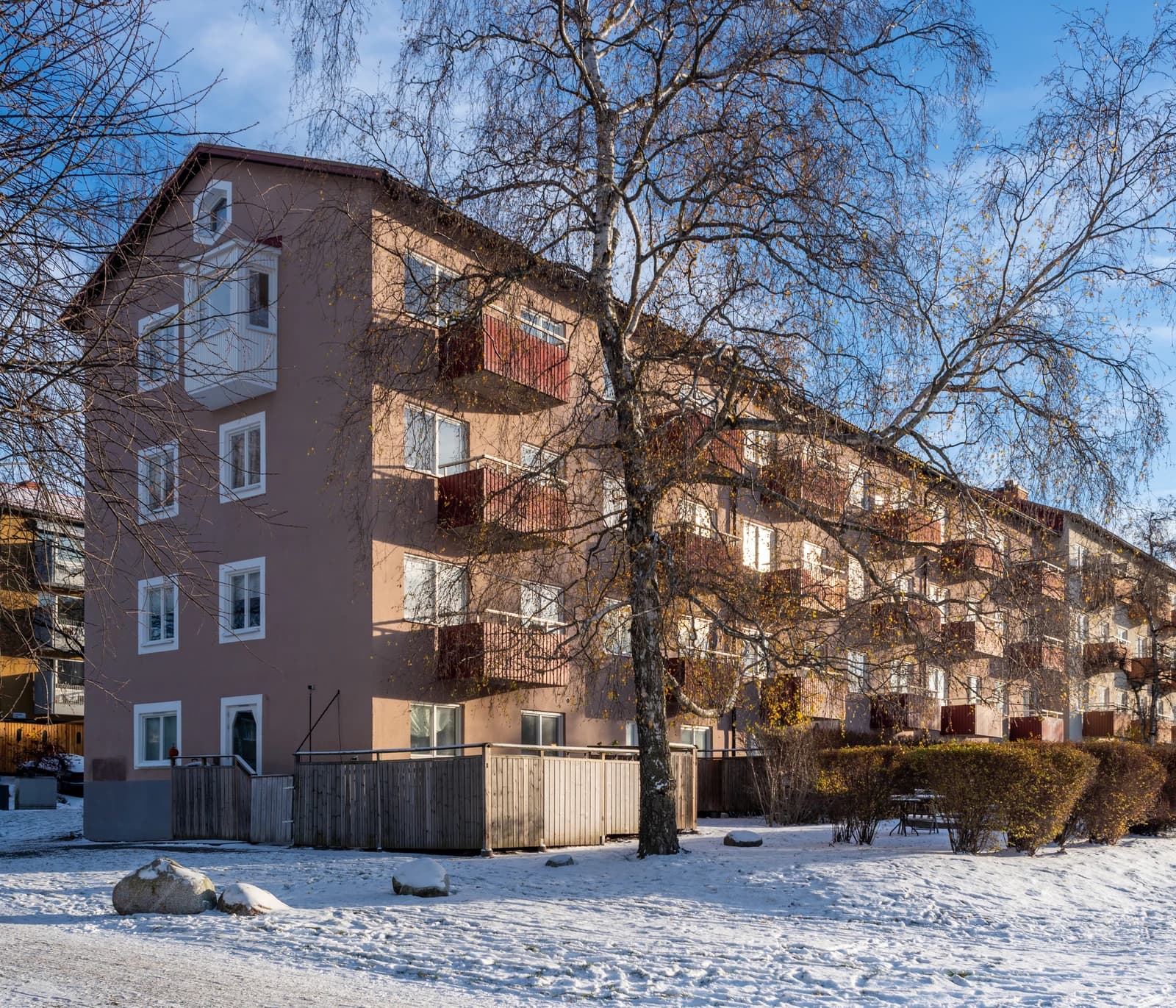
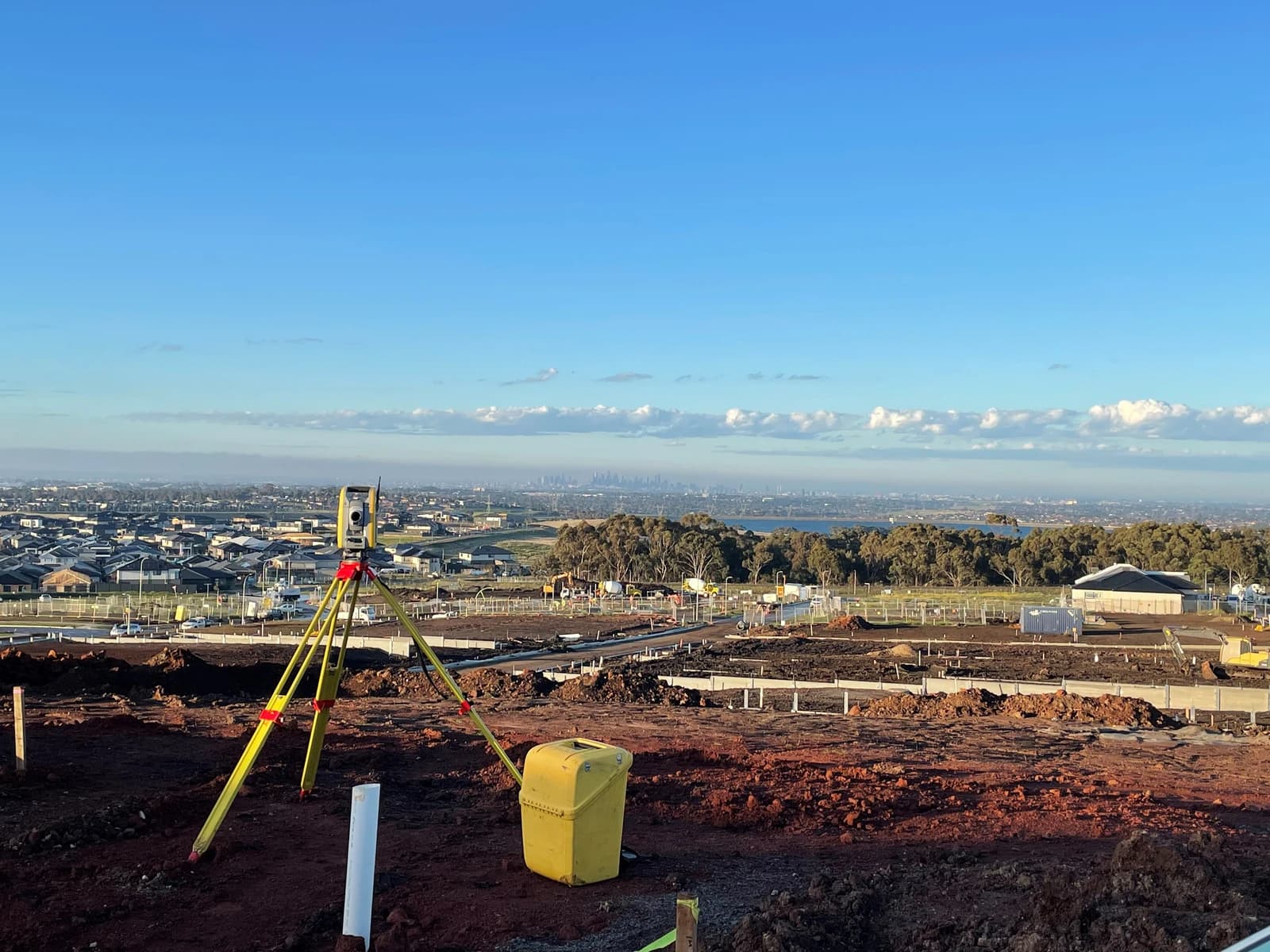
Erbud’s PLN 75.9 million deal to build a housing estate in Kraków is a welcome reminder that selective project wins still exist in Poland’s strained residential market, even as developer sentiment remains trapped in caution and liquidity stays tight.
Erbud wins PLN 75.9 million Kraków housing contract

For investors, the contract matters less for its immediate scale than for what it says about execution quality in a sector where margins are being squeezed by softer demand, higher financing costs and volatile construction pricing. In a market where many builders are guarding balance sheets, a visible order win gives Erbud another source of revenue and, more importantly, helps support backlog visibility at a time when investors are rewarding contractors that can keep work flowing.
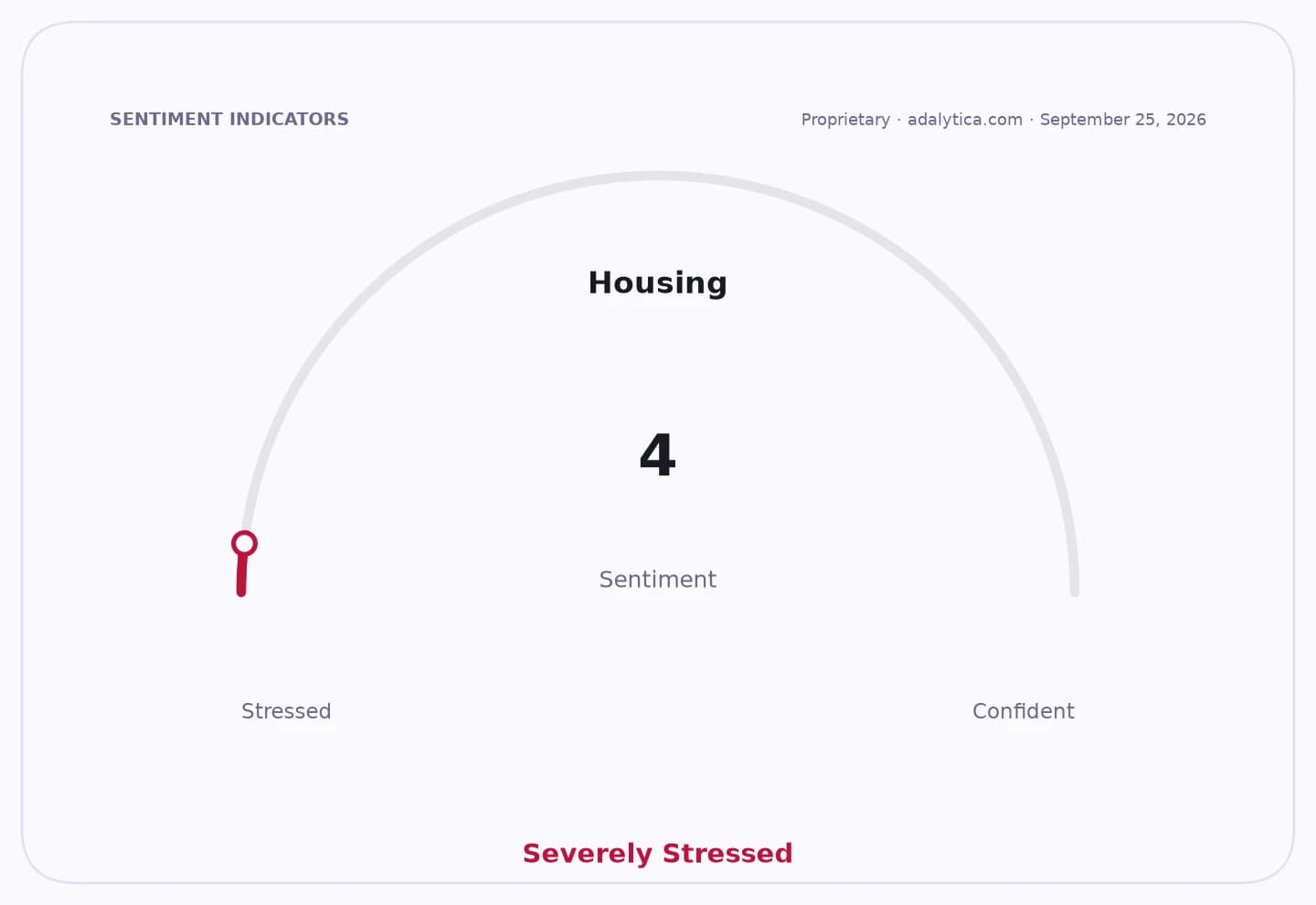
The timing is important. Adalytica’s Housing Fear & Greed Index for XHB sits at 39, in neutral territory, but awareness remains in “extreme fear,” underscoring how fragile housing confidence still is. That backdrop helps explain why Erbud’s shares have been under pressure: the stock closed at 21.95 zlotys on July 31, down from 34.8 zlotys on Feb. 18, while the 200-day moving average at 27.78 zlotys now sits well above the current price. The 50-day moving average is also above the stock, and the recent RSI reading of 23.0 points to deeply oversold conditions.
That technical setup does not change the fundamental story, but it does sharpen the asymmetry. When a contractor is priced for pessimism, even incremental order wins can matter if they confirm that the business is still winning work in core urban housing markets such as Kraków. The city remains one of Poland’s most important residential demand centers, supported by population inflows, job creation and long-run housing shortages that have not disappeared simply because the market has cooled.
The broader investment case is that Poland’s homebuilding and construction ecosystem is moving into a stock-picking phase. Developers and contractors with land, execution capacity and discipline should outperform those dependent on broad housing momentum. Erbud is not suddenly a growth story on one contract, but this award reinforces a more durable thesis: in a weak market, the companies that keep landing projects can gain share while weaker peers retrench.
For investors, the takeaway is straightforward. Erbud’s Kraków contract is small in macro terms, but it is the kind of order flow that can become a catalyst if the market continues to underestimate how quickly a cheap, oversold contractor can re-rate when backlog and earnings visibility improve. In this environment, I would watch for follow-on wins and any sign that the housing downturn is stabilizing enough to reward builders with real execution leverage.
| Entity | Gains | Losses |
|---|---|---|
| Erbud | ▲Backlog visibility | ▼Some price pressure |
| Kraków housing project | ▲Construction progress | ▼None material |
| Polish contractors with capacity | ▲Selective order wins | ▼Smaller weaker rivals |
| Erbud shareholders | ▲Potential re-rating | ▼Continued housing weakness |