Ethereum is being buffeted more by macro forces than by anything specific to the network, with oil prices, Treasury yields and the dollar now doing most of the work on direction.
Ethereum Falls as Oil, Yields and Dollar Weigh

The second-largest cryptocurrency has slipped in recent sessions as renewed US-Iran tensions pushed crude higher and forced investors to reprice the outlook for inflation and Federal Reserve policy. That matters because Ethereum, like the broader crypto market, has been trading as a high-beta proxy for expectations that interest rates will fall and liquidity will improve. When rate-cut bets are pared back, the asset class tends to lose support.
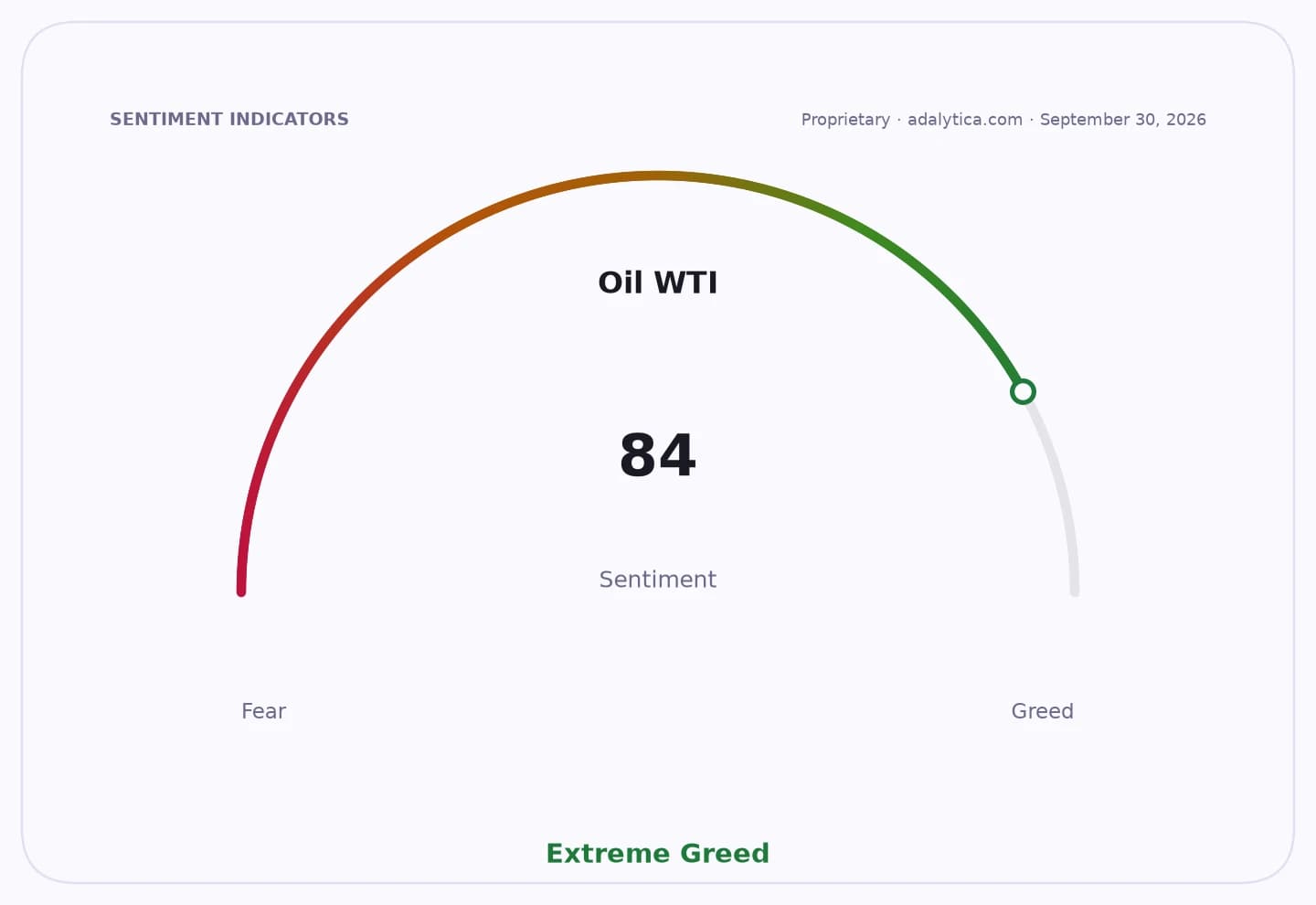
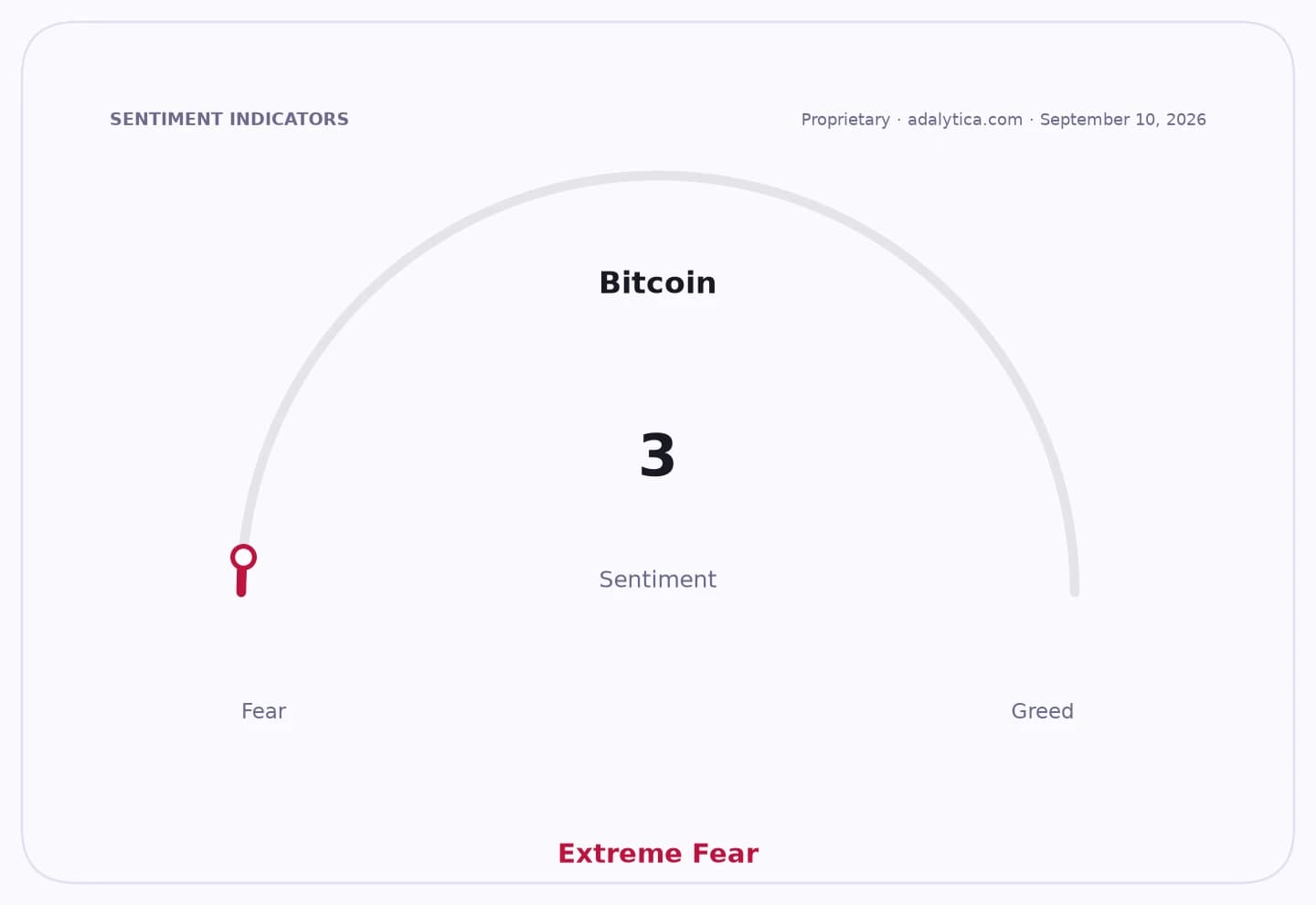
Sentiment IndicatorsⓘProprietary · adalytica.com · September 30, 2026
This is a snapshot — live sentiment, awareness and momentum for 130+ markets update continuously in the dashboard.Open AlphaPulse
The latest swing came after Donald Trump said the US would make a deal with Tehran after November elections, dulling hopes for a near-term de-escalation and helping lift yields and the dollar. But downside pressure eased again when reports emerged that Iran had put forward an offer to reopen the Strait of Hormuz within seven days if the US met its terms. For traders, that keeps the dominant macro trade intact: a breakthrough would likely cool energy prices, ease inflation fears and revive dovish repricing, while a prolonged stalemate would keep financial conditions tighter for longer.
That backdrop has left Ethereum technically vulnerable but not broken. It was last trading around $2,689, below a recent intraday high near $2,746 and just under a minor resistance zone around $2,710. The token remains above its 50-day moving average near $2,436 and well above the 200-day average around $2,110, suggesting the broader trend is still constructive despite the pullback. Momentum gauges, including the relative strength index, are elevated but not yet signaling a full reversal, which points to consolidation rather than capitulation.
From an investor perspective, the key question is not whether Ethereum has its own catalysts — this week it does not — but whether macro conditions continue to support the risk-on trade that has powered the rally in digital assets. A drop in oil on any credible US-Iran deal could be bullish for ETH by relieving pressure on inflation expectations and Treasury yields. Conversely, if talks stall or conflict escalates, the market is likely to keep discounting tighter policy for longer, a headwind for speculative assets and crypto-linked equities.
That would also matter for the rest of the crypto complex. Bitcoin remained firmer near $83,674, while Coinbase, which is more sensitive to trading volumes and risk appetite, slipped to about $186.41. The divergence suggests investors are still willing to own digital assets, but only selectively and with an eye on the macro tape.
For now, Ethereum sits at the center of a larger trade on rates, energy and geopolitics. The next move will likely be driven less by blockchain-specific news than by whether Washington and Tehran move closer to an agreement that takes pressure off oil and restores the market’s appetite for easier financial conditions.
| Entity | Gains | Losses |
|---|---|---|
| Ethereum bulls | ▲Dovish repricing, lower yields | ▼Prolonged US-Iran stalemate |
| Ethereum bears | ▲Failed talks, tighter conditions | ▼Oil-price relief, deal breakthrough |
| Energy exporters | ▲Higher crude prices | ▼Strait of Hormuz reopening |
| Crypto-linked equities | ▲Softer macro, stronger risk appetite | ▼Higher yields, stronger dollar |