Poland’s hosting of the UNWTO Congress on Ethics and Tourism lands at a moment when the global travel trade is under pressure to prove it can grow without undermining the communities and destinations it depends on. That matters economically because the sector is increasingly being judged not just on visitor numbers, but on whether it can sustain demand, protect assets and avoid the regulatory backlash that can follow overtourism, labour abuse and weak environmental standards.
Ethical Tourism Favors Premium Travel Names
For investors, the stakes run from hotel operators to online travel agencies, airlines and destination-dependent economies. A more explicit ethics agenda can support longer-term pricing power and supply discipline, but it can also raise compliance costs and constrain the fastest-growing segments of mass tourism. The market is effectively being asked whether responsible tourism is a branding exercise or a real filter on capital allocation, route planning and hotel expansion.
Sentiment IndicatorsⓘProprietary · adalytica.com · July 17, 2026
This is a snapshot — live sentiment, awareness and momentum for 130+ markets update continuously in the dashboard.Open AlphaPulse
The backdrop is an industry that has recovered unevenly from the pandemic and is now facing more discriminating consumers, tighter labour markets and a tougher political response in popular destinations. In Europe especially, tourism is colliding with housing shortages, congestion and climate-policy scrutiny. That makes the UNWTO forum in Poland more than ceremonial: it is part of a broader effort to steer the sector toward models that preserve destination quality, which in turn supports repeat visits, local acceptance and the durability of demand.
That narrative has direct implications for listed travel names. Booking Holdings and Marriott International, both large beneficiaries of global leisure travel, are exposed to any shift toward more sustainable, higher-value travel patterns. Their shares have also reflected the market’s sensitivity to growth durability. Booking has recovered from a sharp selloff earlier this year and is trading above its 50-day average, with RSI readings near neutral and momentum indicators improving, but the stock remains well below its 200-day average, suggesting investors are still cautious about the pace and quality of demand. Marriott, by contrast, has held a stronger long-term trend, with the shares comfortably above both the 50-day and 200-day moving averages, though recent technicals show cooling momentum after a strong run.
Airlines face a different balance. American Airlines’ stock has been volatile and remains vulnerable to any policy or demand shift that favours less price-sensitive, premium-oriented travel over high-volume short-haul traffic. With shares still below their 200-day average and RSI readings slipping into oversold territory, the market is signalling concern that profit recovery remains fragile. If ethical-tourism standards translate into higher operating costs, tighter capacity management or more regional constraints, airlines with weaker balance sheets and thinner margins would feel the pressure first.
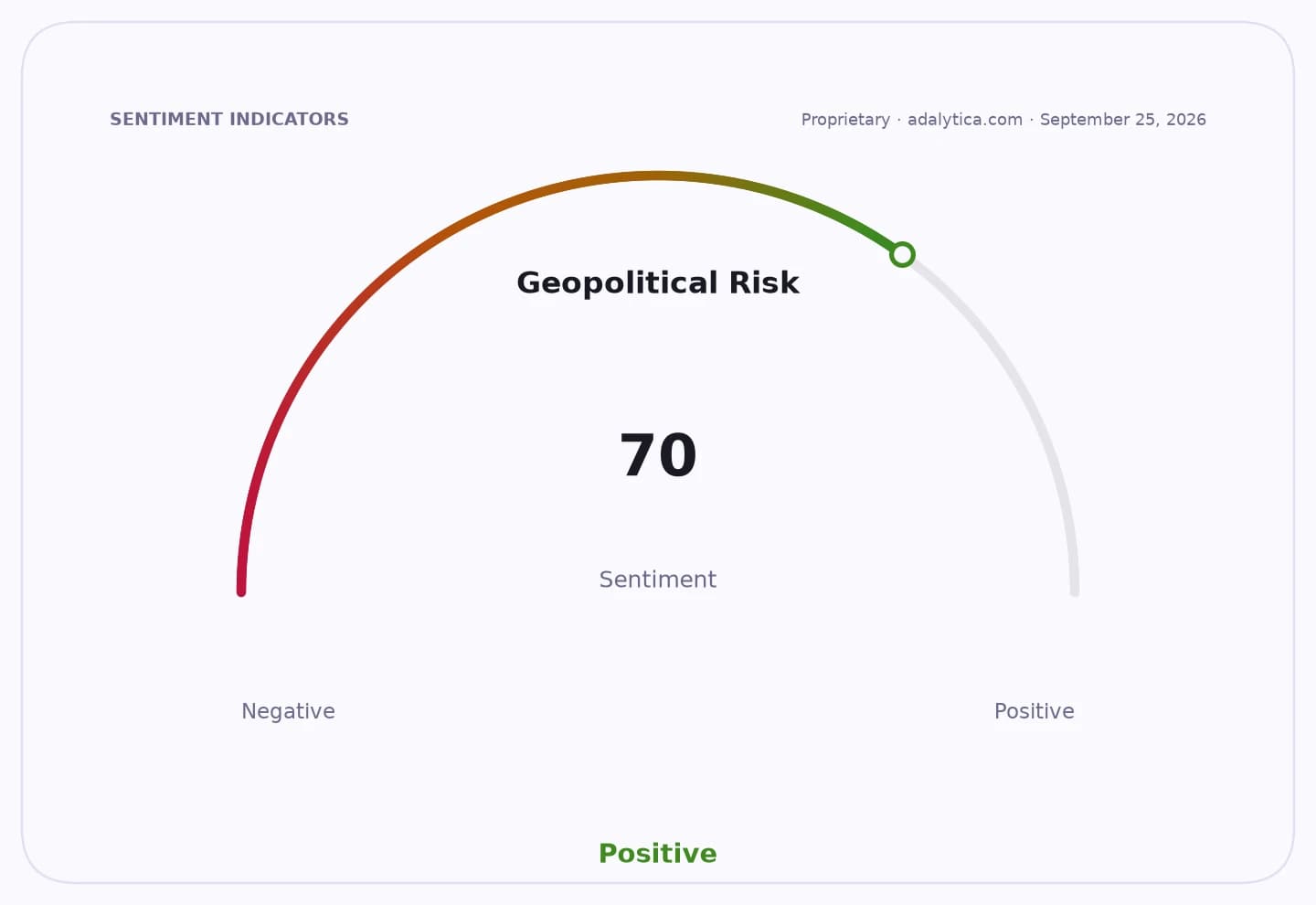
The bigger macro point is that tourism is becoming a more regulated, more politically contested and more reputation-sensitive industry. Adalytica’s Euro Trade Signals currently show “Extreme Fear,” while its Global Stability measure sits in “Fear,” underscoring how fragile the broader travel and cross-border demand backdrop remains. In that environment, ethics can look like a defensive moat for the strongest brands and destinations, but a source of friction for operators reliant on volume growth.
For investors, the key question is whether the ethical-tourism agenda changes the mix of growth, not just the rhetoric around it. If it pushes more spending toward quality accommodations, sustainable destinations and better-managed capacity, it could favour premium hotel chains and online platforms with strong pricing power. If it hardens into regulation that limits access, adds costs or reduces visitor throughput, airlines and lower-end operators may bear the burden first. The Polish congress is therefore a signal that tourism’s next phase will be judged less by sheer recovery and more by resilience.
| Entity | Gains | Losses |
|---|---|---|
| Premium hotels | ▲Higher pricing power | ▼Slower volume growth |
| Online travel agencies | ▲More durable bookings | ▼Higher compliance burden |
| Airlines | ▲Fewer destination shocks | ▼Capacity restrictions |
| Overtouristed destinations | ▲Better preservation | ▼Short-term visitor caps |