Russia is being forced to live with the financial equivalent of that old Soviet joke: the state keeps the pressure on, while the bill keeps arriving from somewhere else. The European Union’s latest transfer of €1.4 billion in interest from frozen Russian assets to Ukraine is another reminder that Moscow is not just fighting on the battlefield — it is also being squeezed by a widening, institutionalized drain on its war economy.
EU transfers €1.4 billion from frozen Russian assets
That matters because the money is no longer symbolic. By channeling income generated on immobilized Russian reserves into Kyiv’s support, Europe is turning frozen assets into a recurring funding tool rather than a one-off punitive measure. It extends Ukraine’s financing runway while underscoring that Western governments are prepared to use Russia’s own capital pool against it for as long as the war drags on.
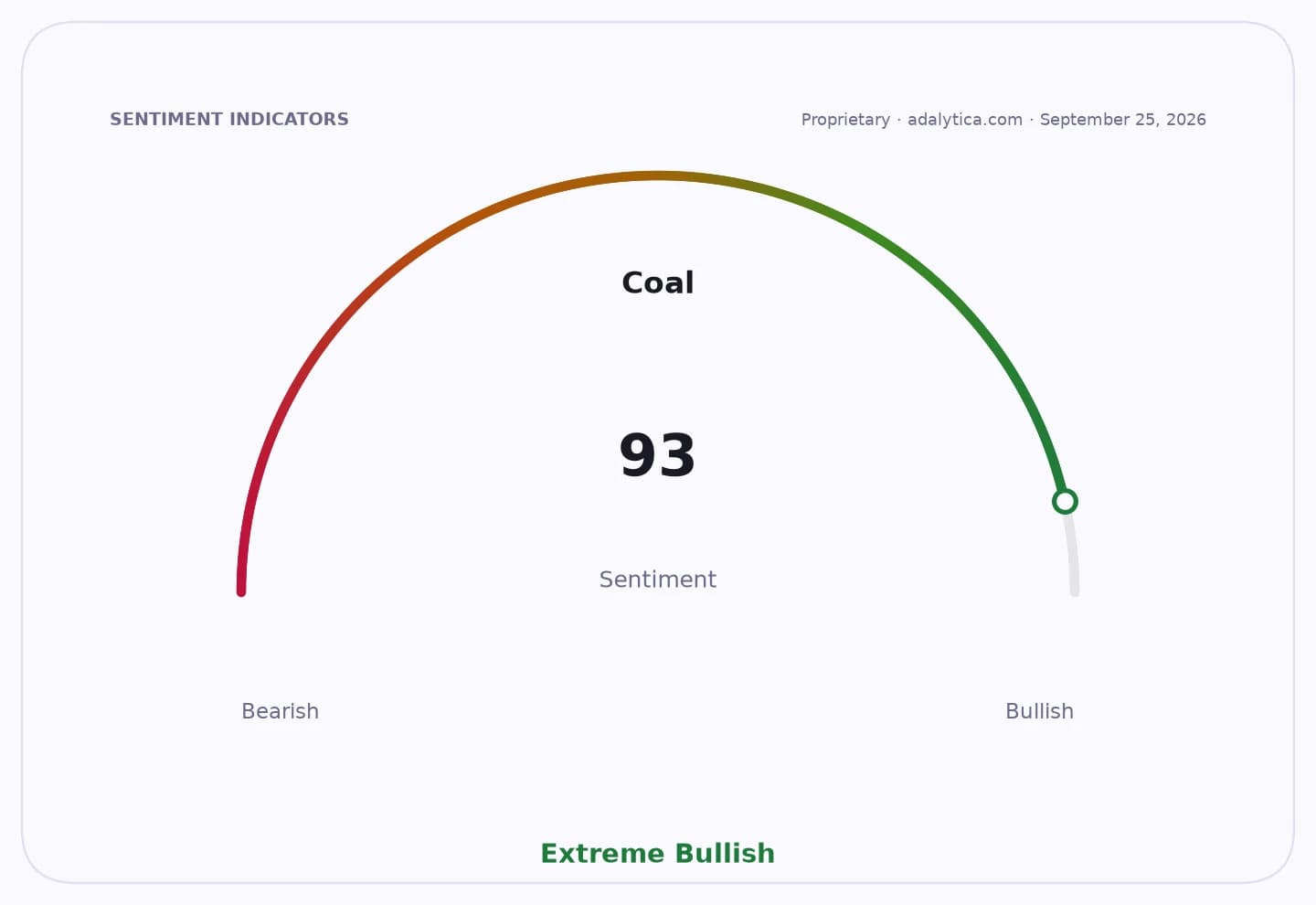
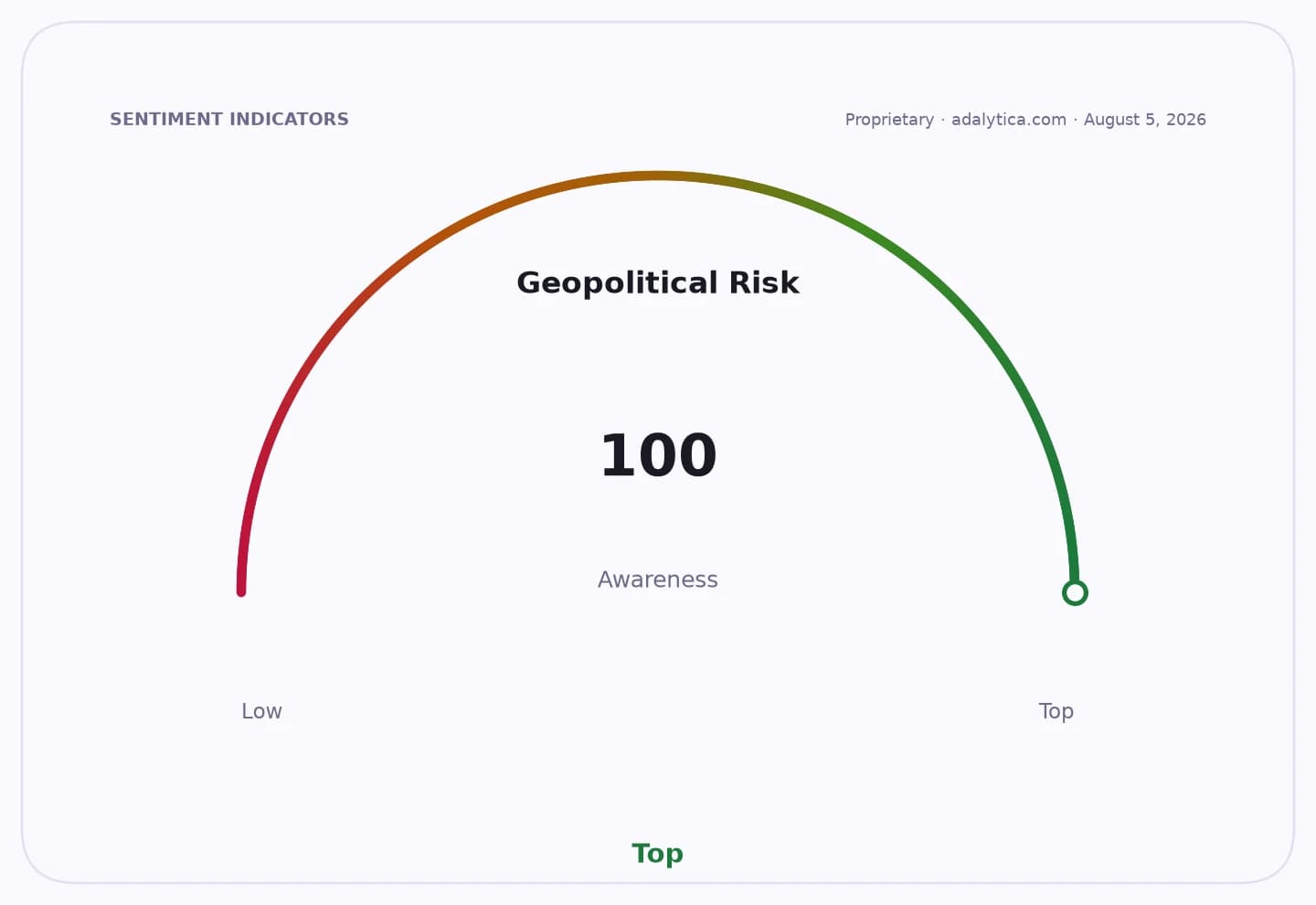
Sentiment IndicatorsⓘProprietary · adalytica.com · August 5, 2026
This is a snapshot — live sentiment, awareness and momentum for 130+ markets update continuously in the dashboard.Open AlphaPulse
For investors, the bigger story is persistence. The market still tends to price the Russia-Ukraine conflict as a headline risk that flares and fades, but the policy architecture is hardening into something more durable: asset freezes, interest transfers, sanctions, and a longer-term repricing of European security. That supports defense spending, energy-security capex, logistics rerouting and higher sovereign risk premia across the region. It also keeps pressure on any assets or businesses with direct exposure to Russian state finances, Russian commodities, or European counterparties vulnerable to secondary sanctions and payment frictions.
Oil markets show why this remains investable. Brent-linked risk premium has not vanished, and West Texas Intermediate was forecast around $84.71 a barrel for Aug. 4 after rebounding sharply from July’s low near $81.96. Crude around the mid-$80s keeps cash flows strong for integrated oil majors and service providers, even as it reinforces the inflationary backdrop that central banks would prefer to escape. The 10-year U.S. Treasury yield at about 4.76% also says the market is still being asked to carry geopolitical risk alongside sticky rates.
That combination is the real narrative: Russia is being economically contained, Ukraine is being externally funded, and investors are being handed a second-order trade in European rearmament, energy resilience and commodity volatility. The EU’s latest €1.4 billion transfer does not end the war, but it does make clear that the financial war is becoming more systematized — and that favors companies and sectors positioned to profit from a longer conflict than the market wants to assume.
The asymmetric opportunity remains in defense, energy infrastructure and select commodity producers, while the losers are Russian-linked assets, European firms exposed to renewed sanctions risk, and any portfolio still assuming a quick normalization in the region.
| Entity | Gains | Losses |
|---|---|---|
| Ukraine | ▲More budget support | ▼None |
| EU defense contractors | ▲Higher spending demand | ▼None |
| Integrated oil majors | ▲Geopolitical risk premium | ▼Demand destruction risk |
| Russian state finances | ▲None | ▼Ongoing asset drain |