The European Union is moving to cap cash transactions at 10,000 euros from 2027, a step aimed at curbing money laundering and pushing more commerce into traceable digital channels.
EU Cash Cap Starts in 2027

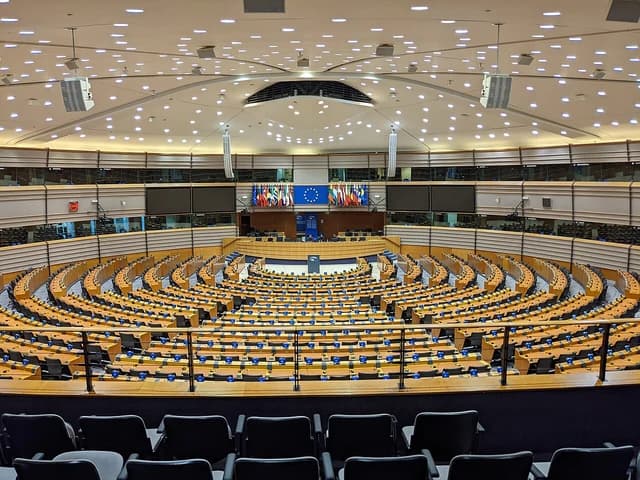
The new limit matters because it formalizes a broader policy shift away from physical cash in one of the world’s largest economic blocs. For governments, the cap is designed to make it harder to move illicit funds through anonymous payments. For consumers and merchants, it accelerates the normalization of card, mobile and bank-transfer payments across retail, transport and services.
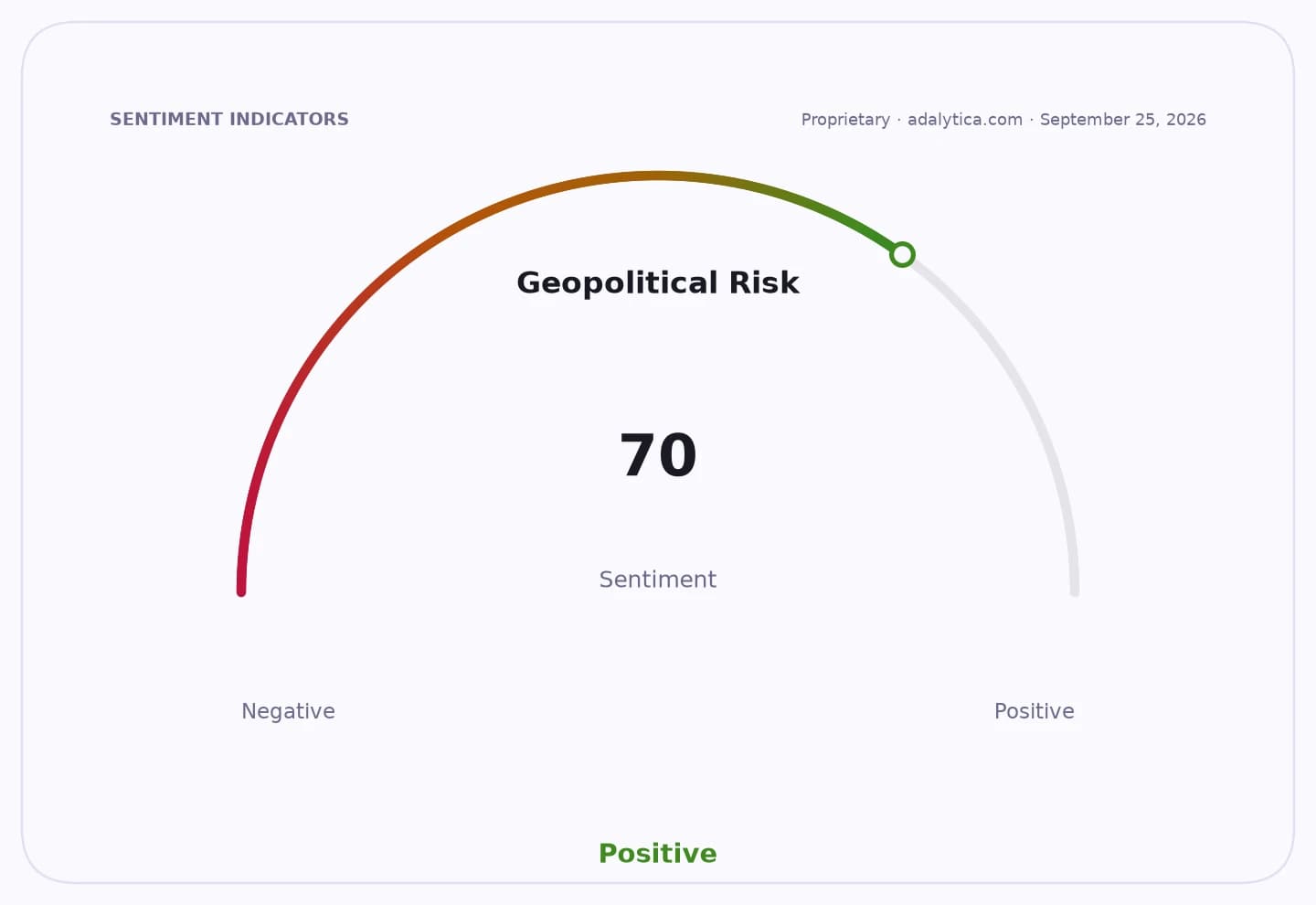
Sentiment IndicatorsⓘProprietary · adalytica.com · August 17, 2026
This is a snapshot — live sentiment, awareness and momentum for 130+ markets update continuously in the dashboard.Open AlphaPulse
The rule could also reshape volumes for payment networks and processors that benefit when more spending migrates from banknotes to electronic rails. Visa, Mastercard and PayPal typically gain when cash use falls and card-linked or app-based transactions rise, while industries that still handle a lot of cash face added compliance and operating costs.
The move comes as digital payments keep taking share globally, with public transport operators and event organizers increasingly going cashless and governments in several regions promoting electronic transactions. That trend is showing up in market sentiment as well: Adalytica’s Euro Trade Signals snapshot shows extreme greed, suggesting investors are already leaning into the trade for a more digitized European payments landscape.
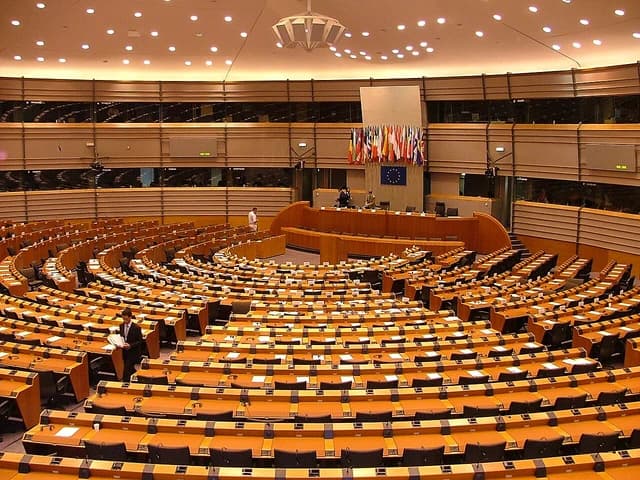
For investors, the key question is not whether cash disappears, but how fast higher-ticket spending in the euro area shifts to monitored payment systems and whether regulators in other markets follow Europe’s lead. The implementation starting in 2027 gives banks, fintechs and merchants time to adjust, but it also sets up a longer runway for fee-based payment flows and a further squeeze on cash-dependent businesses.
| Entity | Gains | Losses |
|---|---|---|
| Visa, Mastercard, PayPal | ▲More electronic payment volume | ▼Less cash usage |
| EU regulators | ▲Better anti-money-laundering oversight | ▼More enforcement complexity |
| Merchants and consumers | ▲Faster, traceable payments | ▼Less payment flexibility |
| Cash-heavy businesses | ▲More time to adapt | ▼Higher compliance burden |