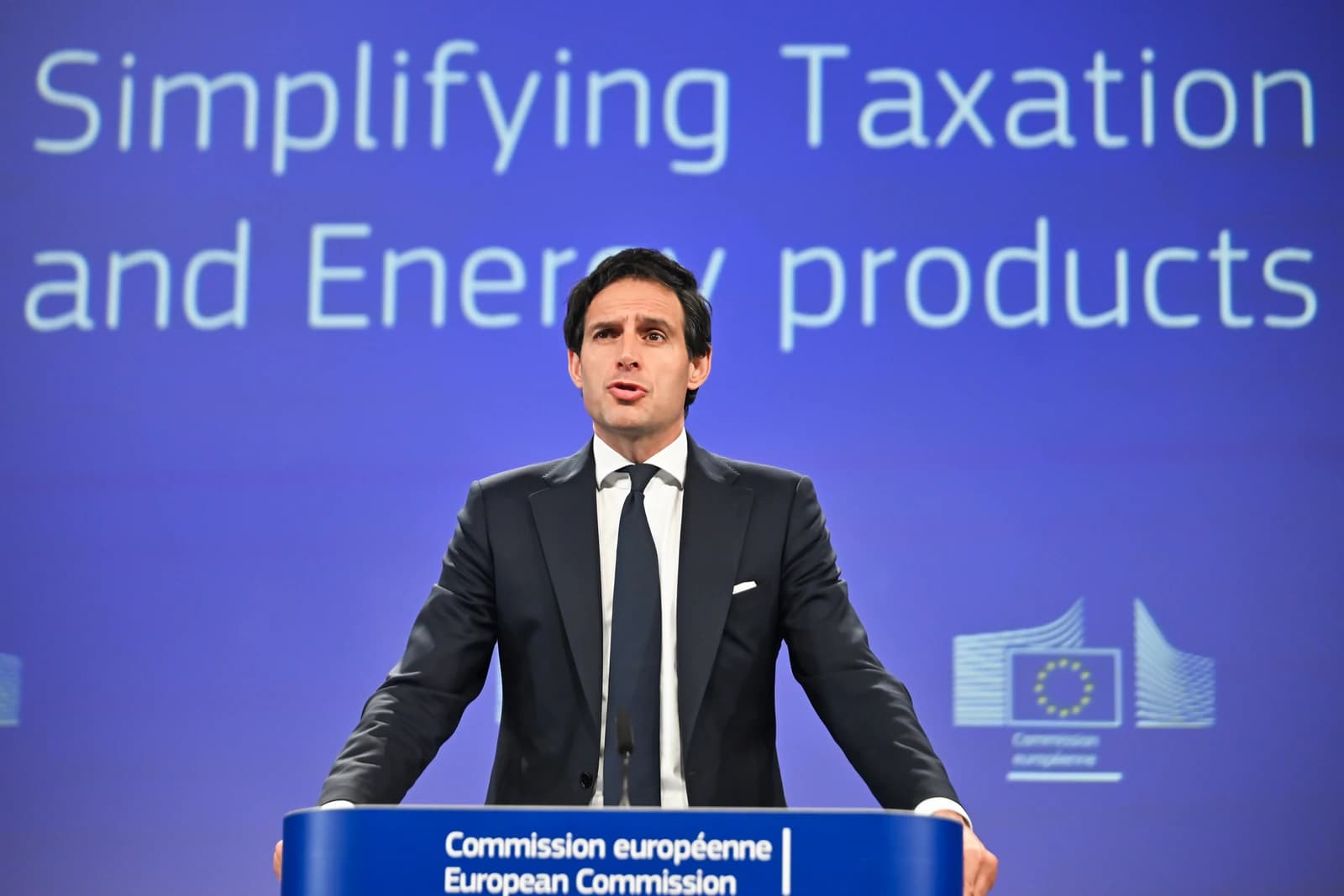
New EU rules on imported food could sharply raise the cost of coffee in Europe, with a Commission-backed study warning prices may rise as much as 332% if suppliers outside the bloc fail to meet tighter pesticide standards.
EU coffee import rules could raise prices
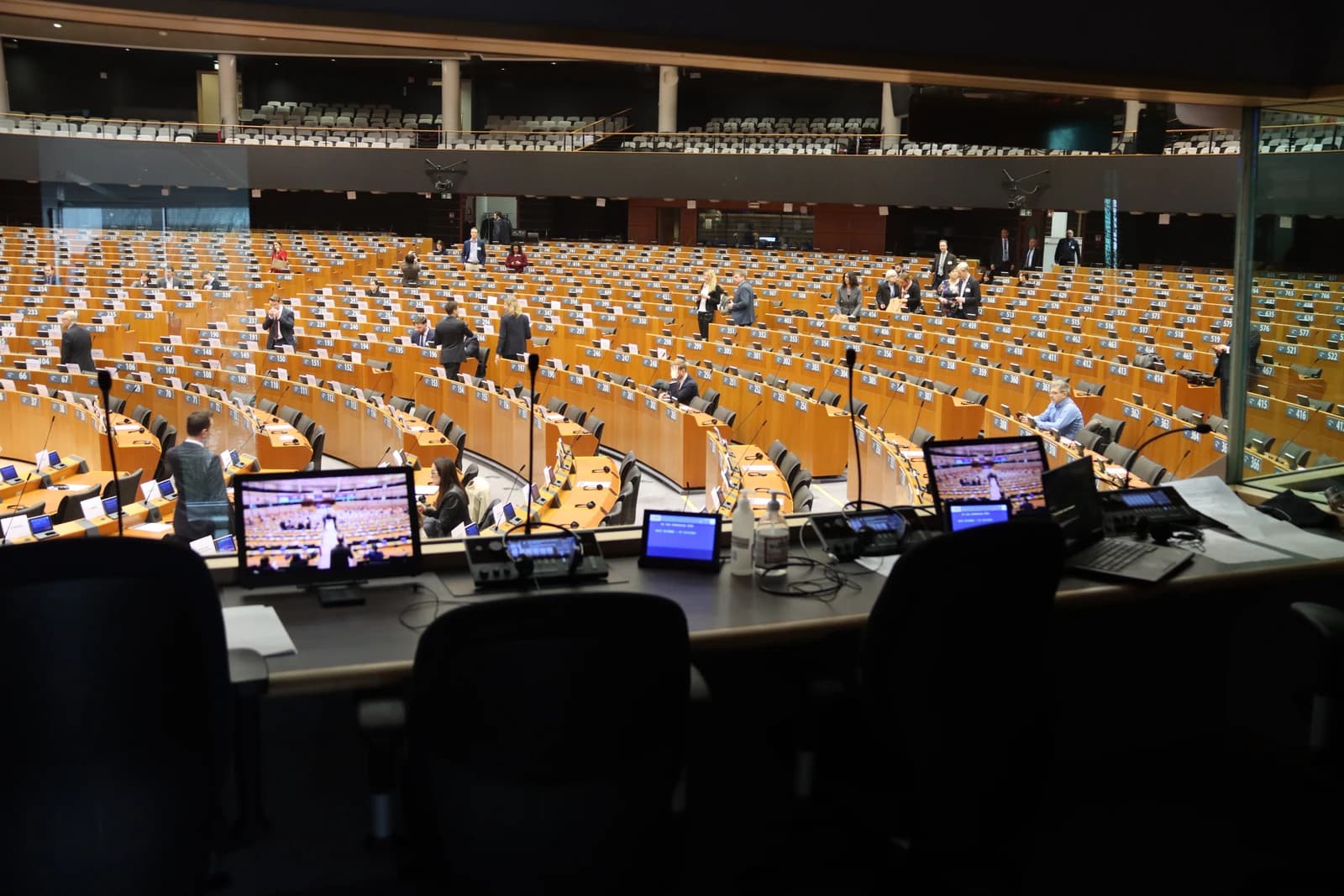
The economic impact goes beyond a headline-grabbing price shock. Coffee is one of the world’s most traded agricultural commodities, and Europe is a major consuming region, so any regulatory change that restricts supply or raises compliance costs can ripple through roasting, retail and foodservice margins. The European Commission’s Joint Research Centre said coffee and citrus were among the products most exposed if Brussels moves ahead with a so-called mirror clause, under which imported food would have to be produced using the same crop-protection rules imposed on EU farmers.
Sentiment Indicators
That would amount to a major shift in trade policy. The planned approach would bar imports containing even trace amounts of pesticides that have already been banned inside the bloc for health or environmental reasons. For exporters in Latin America, Africa and Asia, the choice would be to change farming methods, absorb the cost of stricter controls or risk losing access to the EU market. For European consumers, the result could be higher shelf prices and less availability of some blends and origins.
But the price effect is unlikely to be uniform. An eToro analyst in Poland, Pawel Majtkowski, said talk of coffee jumping 300% in the EU was exaggerated and that the rules alone were unlikely to trigger such a sudden increase, even if they do push up costs. That distinction matters for investors: the regulation may be less a one-off inflation shock than a gradual squeeze on the import chain, with the biggest pressure falling on lower-margin roasters, retailers and food service operators that cannot easily pass on costs.
The policy debate is landing just as coffee markets are already tight. The ICO Composite Indicator Price rose 15.4% month on month in July 2026 to 287.26 cents a pound, helped by concerns over arabica supply, delays to Brazilian harvests after heavy rain, falling certified arabica stocks in the US and the prospect of a strong El Nino later in 2026. Weather, not Brussels, remains the dominant driver of benchmark coffee futures, but the EU’s move could amplify any shortage by narrowing the pool of compliant supply.
That helps explain why listed coffee names have been volatile. Shares of Starbucks have gained from recent restructuring and a rebound in the stock, while J.M. Smucker’s coffee exposure and smaller roasters such as Java City remain sensitive to bean costs and retail pricing power. If the EU presses ahead, the winners would likely be producers and importers able to certify compliant supply chains; the losers would be growers, traders and consumer brands exposed to tighter sourcing rules.
For investors, the key question is whether the regulation becomes a modest compliance cost or a structural trade barrier. If Brussels enforces strict residue limits and broader mirror standards, coffee and citrus exporters may have to invest in new agronomic practices, while European buyers face a more expensive and less flexible sourcing market. That could keep upward pressure on prices even if the broader commodity cycle cools.
| Entity | Gains | Losses |
|---|---|---|
| EU farmers | ▲Level playing field | ▼None |
| Non-EU exporters | ▲Access if they adapt | ▼Higher compliance costs |
| European consumers | ▲Safer food standards | ▼Higher coffee prices |
| Coffee brands/roasters | ▲Compliant supply chains | ▼Margin pressure |