The European Union’s €550 million penalty against AliExpress marks a sharper regulatory line on online marketplaces that fail to police illegal goods, a move that could raise compliance costs for Alibaba while reinforcing pressure on Chinese cross-border sellers serving European consumers.
EU Fine Raises Alibaba Compliance Risk

The fine matters economically because Brussels is signaling that access to the EU’s 450 million-person market comes with stricter liability for platform governance, not just for payment processing or logistics. For Alibaba, the risk is not only the one-time cash hit but the prospect of deeper operational changes, tighter seller verification and more content moderation spending across AliExpress and related marketplace operations. For Europe, the case underscores a broader effort to curb consumer harm, product safety breaches and unfair competition from low-cost imports that can undercut domestic merchants.
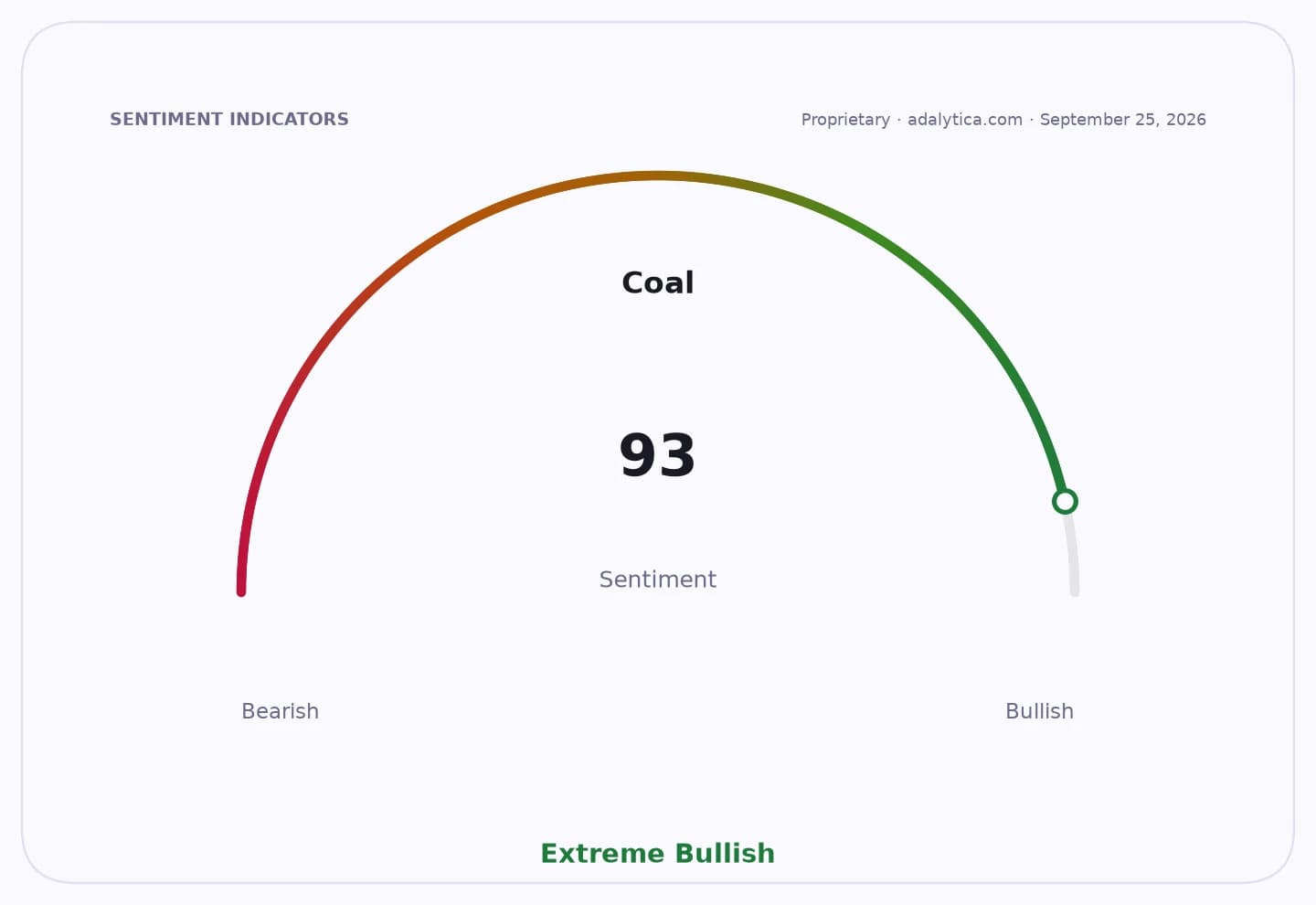
Sentiment IndicatorsⓘProprietary · adalytica.com · July 21, 2026
This is a snapshot — live sentiment, awareness and momentum for 130+ markets update continuously in the dashboard.Open AlphaPulse
Investors are likely to focus on whether the penalty proves to be an isolated enforcement action or the start of a wider compliance burden for Chinese internet groups with European exposure. Alibaba shares in New York and Hong Kong have been volatile and, in technical terms, remain sensitive after recent swings around their 50-day moving averages and elevated RSI readings, suggesting the stock has been prone to sharp sentiment-driven moves. The fine adds a fresh regulatory overhang just as markets have been debating how durable Alibaba’s recovery can be amid uneven China consumption and ongoing geopolitical friction.
The case also lands at a time when Europe is balancing tougher market rules with the need to keep trade channels open. The bloc has been seeking tariff exemptions from the United States to shield its own exporters, even as it intensifies scrutiny of foreign e-commerce platforms. That combination points to a more protectionist and compliance-heavy environment for cross-border retail, where scale alone may no longer be enough to protect margins.
Alibaba Group — 30-day sentimentadalytica.com
Explore this data interactively — full history, time series and cross-market comparisons.Open AlphaPulse
For Alibaba, the key question is whether AliExpress can absorb the fine without material damage to growth or take rates. More important, the company may need to prove that it can meet European enforcement expectations without slowing the marketplace model that has helped it expand abroad. If Brussels follows with more actions or structural remedies, investors may begin to price in a more expensive, lower-margin international expansion strategy for one of China’s largest technology groups.
| Entity | Gains | Losses |
|---|---|---|
| EU regulators | ▲Stronger enforcement | ▼None materially |
| Alibaba / AliExpress | ▲Limited | ▼Fine, compliance burden |
| EU consumers / retailers | ▲Safer marketplace, fairer competition | ▼Higher friction for cheap imports |
| Chinese cross-border sellers | ▲Access remains, if compliant | ▼Higher scrutiny and costs |