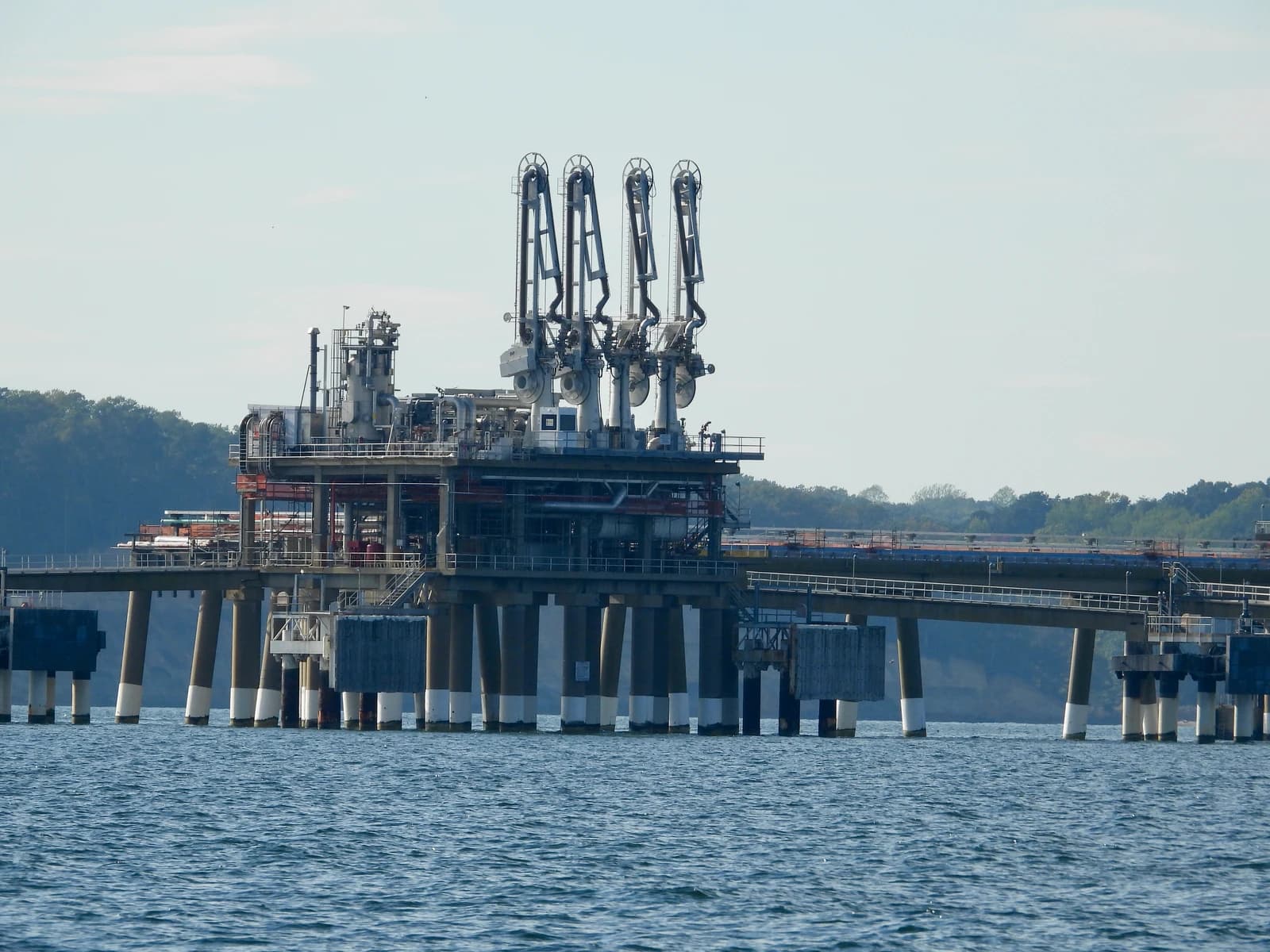
The European Union says its gas system is flexible enough to meet demand this winter, a reassurance that matters because the bloc is heading into the cold season with storage levels strained and traders still wary of any disruption to imports, weather or infrastructure.
EU says gas system can handle winter demand

The message from Brussels is important economically because gas remains a key input for European industry, household heating and power generation. Even if the system can balance normal winter demand, the margin for error is thinner than usual after years of reduced Russian flows, tighter global LNG supply and intermittent volatility in energy markets.
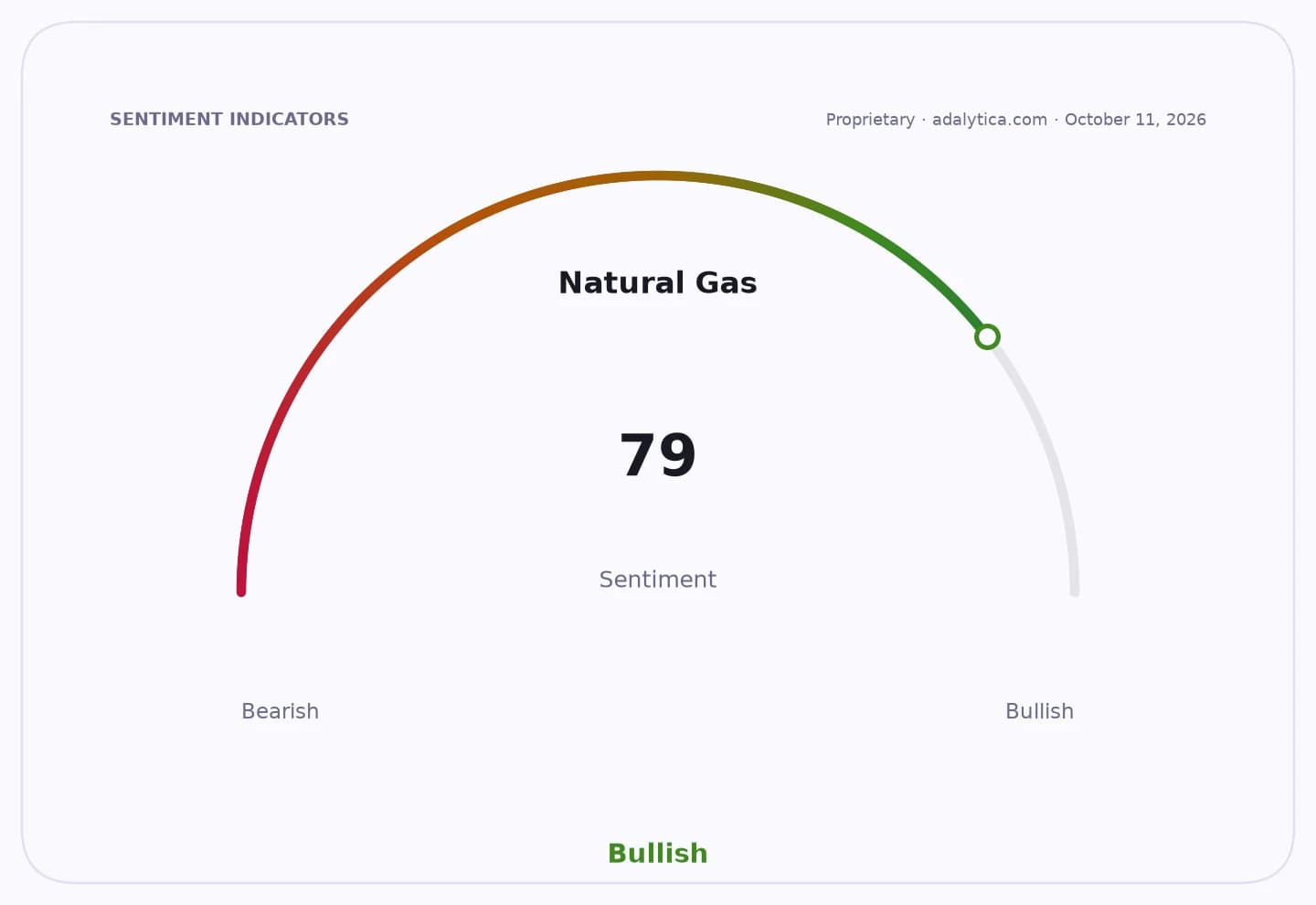
Sentiment IndicatorsⓘProprietary · adalytica.com · October 10, 2026
This is a snapshot — live sentiment, awareness and momentum for 130+ markets update continuously in the dashboard.Open AlphaPulse
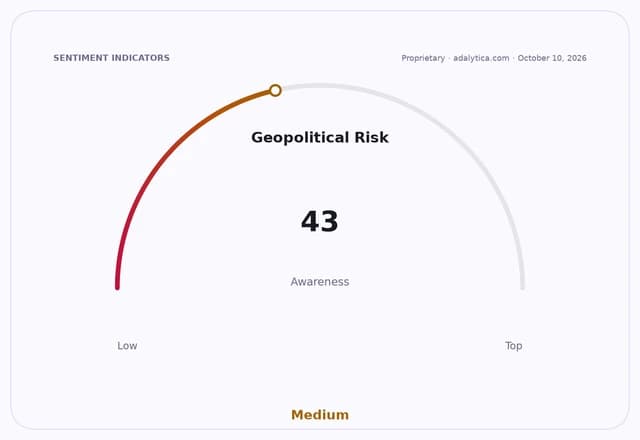
For investors, the headline lowers the odds of a near-term supply panic that could have sent European gas prices sharply higher and pressured utilities, manufacturers and consumers. It also suggests the market is not yet pricing in a full-blown shortage, even though the risk of localized stress or a price spike in a colder-than-expected spell remains.
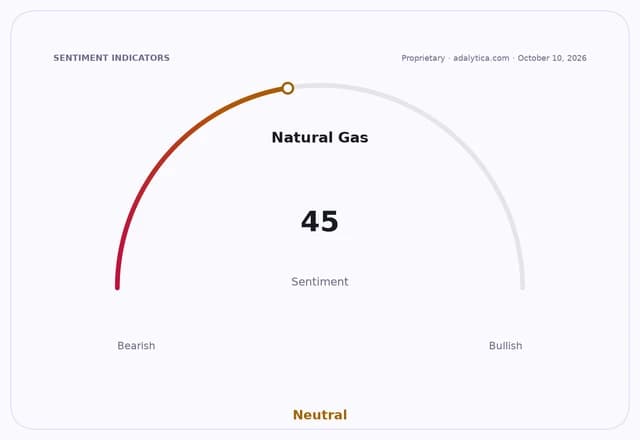
The backdrop is still fragile. Market gauges for natural gas remain subdued, with Adalytica’s Natural Gas Market Trade Signals showing neutral sentiment and extreme fear on awareness, while European risk appetite has improved more broadly as a Global Stability Sentiment gauge sits in greed territory. That combination points to complacency in some parts of the market and lingering caution in energy.
Exchange-traded funds tracking gas and energy have reflected that tug-of-war. UNG, which tracks U.S. natural gas, has swung sharply this year, most recently trading at $11.01 on Oct. 9 after a volatile run that included a January peak near $16.90 and a slide below $11. Investors have also kept a close eye on oil-linked equities, with XLE closing at $65.08 on Oct. 9 and UUP at $29.02, underscoring how energy and dollar moves remain part of the same macro trade.
For Europe, the key question is whether a mild winter and steady LNG inflows are enough to keep the system comfortable, or whether a cold snap exposes how little slack remains. Any deterioration in supply, pipeline flows or weather forecasts could quickly bring the market back to pricing in scarcity.
| Entity | Gains | Losses |
|---|---|---|
| EU households | ▲Lower odds of gas price spike | ▼Less protection if winter turns cold |
| European industry | ▲Better visibility on energy costs | ▼Still exposed to supply shocks |
| Gas suppliers/LNG importers | ▲Steady winter demand | ▼Less panic-driven upside in prices |
| Energy bulls/shorts | ▲More balanced market tone | ▼Fewer shortage-driven gains |