Germany’s winter gas market is under pressure, but the immediate risk of major supply bottlenecks in western states remains low even as storage levels enter the heating season below target and wholesale prices jump on geopolitical tensions.
Germany Gas Storage Pressured Ahead of Winter

That is the message from Rhineland-Palatinate energy minister Michael Ebling, who said he sees little danger of shortages or a supply emergency in the state next winter. His comments matter because gas storage has become a real macro issue again: German inventories were only about 58% full at the end of September, below the roughly 70% level lawmakers want by Nov. 1. In other words, the market is nervous, but the system is not yet broken.
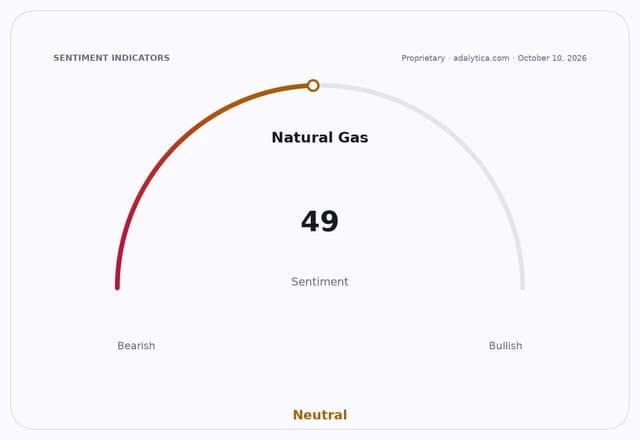
Sentiment IndicatorsⓘProprietary · adalytica.com · October 10, 2026
This is a snapshot — live sentiment, awareness and momentum for 130+ markets update continuously in the dashboard.Open AlphaPulse
The government’s response underscores that point. Berlin has told the state-backed energy trader Sefe to inject more gas into storage, while also planning a strategic reserve from 2027 to cushion unplanned disruptions. For investors, that is a clear signal that Germany is not treating this as a theoretical risk. It is paying up for optionality, which should support storage economics, midstream infrastructure and LNG-linked supply chains across Europe.
The market backdrop is mixed. Ebling said the only underground storage site in Rhineland-Palatinate and Saarland was empty at the end of August, after being more than two-thirds full in previous years. But he also argued the Frankenthal site plays only a minor role in regional security. That is the key read-through: local storage weakness may look alarming, yet it does not automatically translate into a systemwide shortage if imports, pipeline flows and national inventories remain intact.
Still, the price signal is telling. The blockade of the Strait of Hormuz tied to the Iran conflict has pushed wholesale gas prices higher, widening the incentive for storage fills and reviving concern over winter supply. The summer-winter spread, the key trading margin that normally encourages operators to buy cheap gas in summer and sell it later, has been distorted by volatile geopolitics. That makes storage less of a passive utility function and more of a tradable energy asset.
For investors, that is where the opportunity sits. The market underestimates how much geopolitical risk is now embedded in European gas pricing and how quickly policymakers will react if inventories stay light. Beneficiaries include LNG exporters, storage operators, gas traders and infrastructure names tied to European security of supply. Losers are industrial users and utilities exposed to spot-price volatility, especially if cold weather arrives before storage is rebuilt.
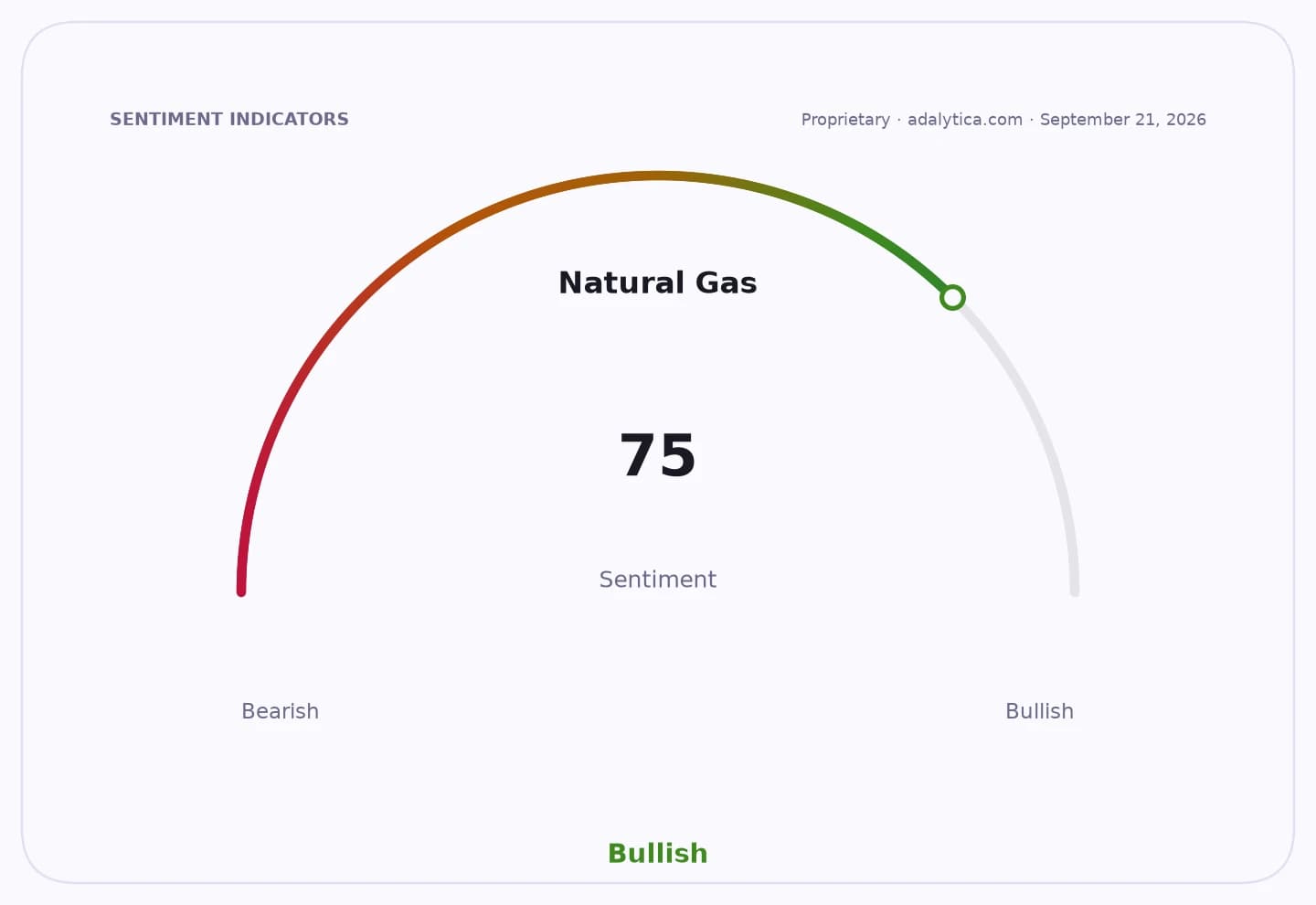
Adalytica’s natural gas trade signals show the market is still unstable rather than decisively bullish, with sentiment near neutral but awareness in “extreme fear.” That combination fits a market that is not pricing a full-blown crisis, but is one headline away from a fresh spike. LNG shares have already responded, with Cheniere Energy holding near record levels after a strong run, while U.S. gas itself remains volatile.
The bigger investment takeaway is simple: Europe’s gas system is safer than the headline risk suggests, but not safe enough to ignore. If winter stays mild, the bottleneck story fades and spot prices ease. If geopolitical disruption persists or temperatures turn colder, the next leg higher in gas pricing could come fast. Position for that asymmetry now, not after storage alarms are flashing.
| Entity | Gains | Losses |
|---|---|---|
| LNG exporters | ▲Higher Europe-linked prices | ▼Volume risk if demand softens |
| Storage operators | ▲Better fill economics | ▼Political pressure on margins |
| Industrial gas users | ▲Lower input costs if prices fall | ▼Spot-price volatility |
| European policymakers | ▲Energy-security credibility | ▼Public blame if shortages emerge |