Women across the European Union still earn thousands of euros less a year than men, underscoring a structural drag on household income and growth even as policymakers prepare another round of wage support.
EU Gender Pay Gap Pressures Demand Outlook
The most important point is not the size of the gap alone, but what it means for the real economy: lower female earnings translate into weaker consumption, slower progress on financial independence and a persistent shortfall in tax receipts and social contributions. In a region already wrestling with sluggish productivity and uneven living standards, the pay gap is an economic inefficiency as much as an equality issue.
Sentiment IndicatorsⓘProprietary · adalytica.com · July 24, 2026
This is a snapshot — live sentiment, awareness and momentum for 130+ markets update continuously in the dashboard.Open AlphaPulse
In Greece, where the divide is especially relevant to the headline question, women can lose roughly €3,900 in annual income versus men on average, according to the figures cited. That shortfall compounds over a career through lower savings, smaller pension entitlements and less room to absorb inflation shocks. For a household budget, it can be the difference between keeping up with rising living costs and falling behind.
The data lands against a broader backdrop of wage pressure across Europe. Greece’s National Wage Council has agreed to raise the regional minimum wage by 7.8% from Jan. 1, 2027, a move aimed at protecting purchasing power after years in which pay gains have not fully kept up with prices. But minimum wage increases, while politically important, do not by themselves close gender-based pay gaps that are embedded in job segregation, seniority patterns, promotion rates and care burdens.
That matters for investors because wage dynamics feed directly into consumer demand, labor costs and policy risk. If women remain systematically underpaid, the consumption boost from higher nominal wages is weaker than it otherwise would be, particularly in retail, services and consumer discretionary sectors tied to household spending. At the same time, employers face growing pressure to improve pay transparency and retention, raising the cost of labor in parts of the economy that depend on low- and middle-income workers.
The issue also has a capital-market angle. In Europe, where labor shortages have lifted bargaining power in some sectors, gender pay equity is increasingly part of the corporate governance conversation. Companies with narrow pay gaps and clearer promotion pipelines may have an advantage in attracting workers and avoiding reputational damage, while laggards risk higher turnover and stronger regulatory scrutiny.
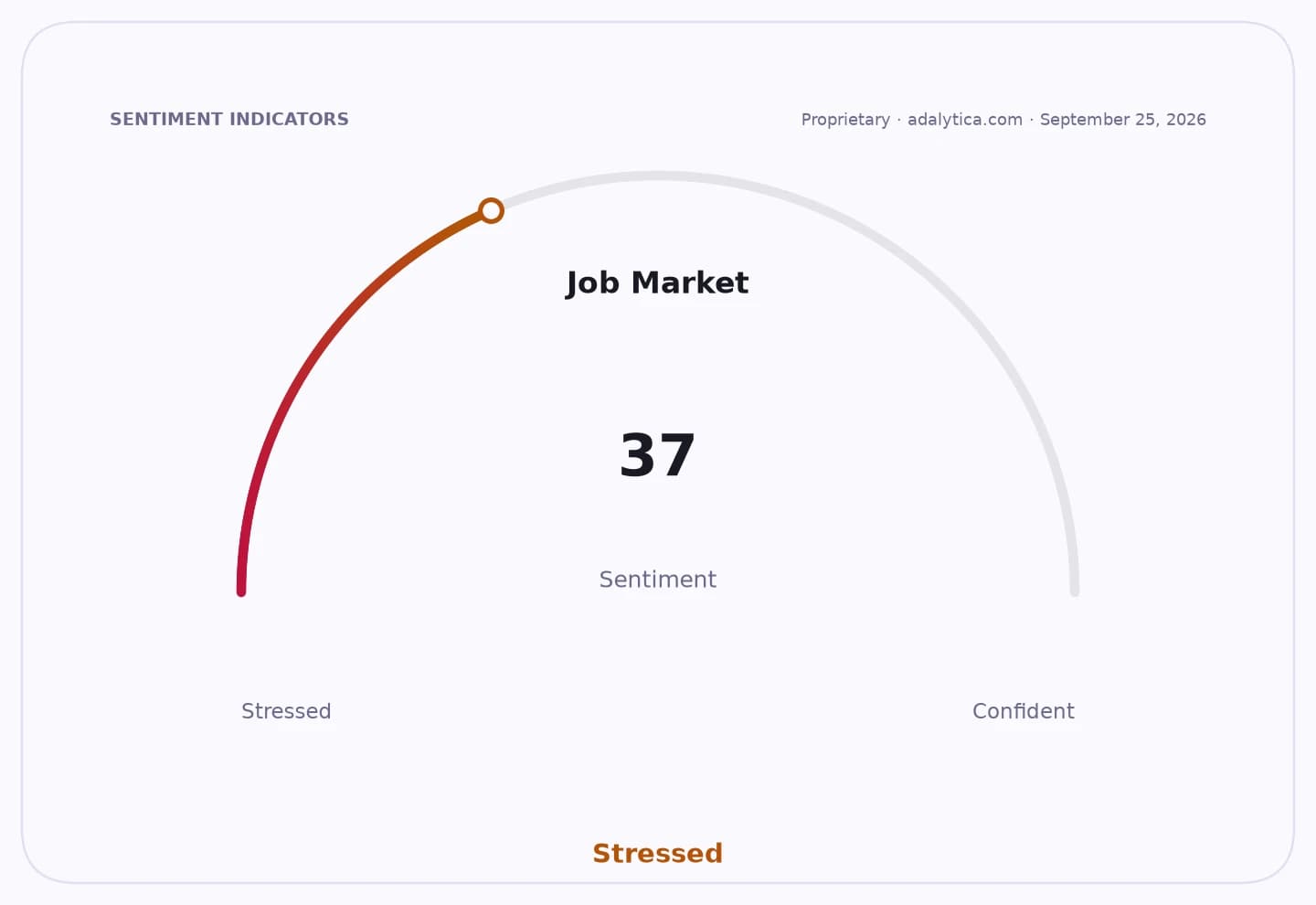
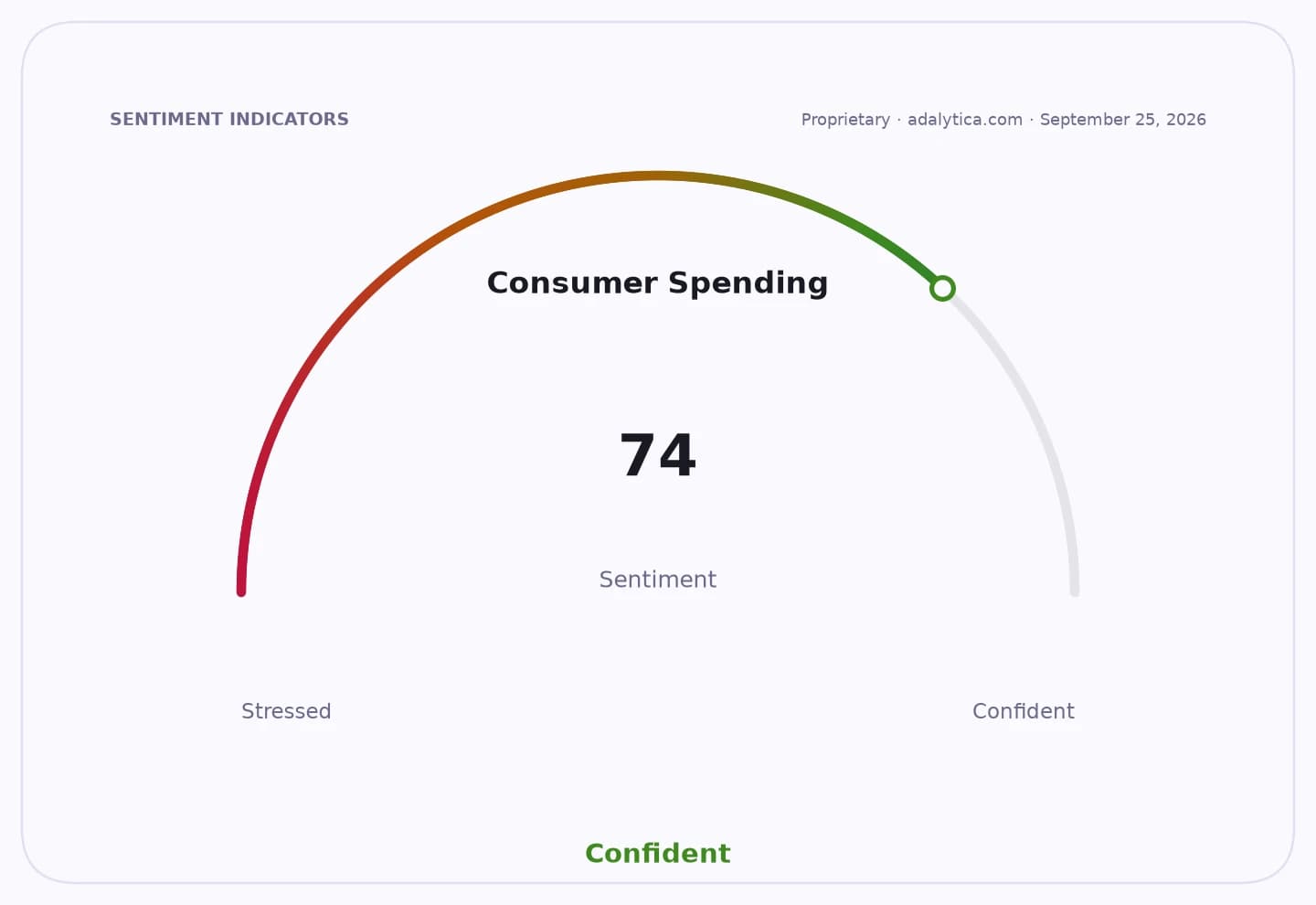
Broader market signals point to a still-sensitive wage backdrop. Conventional technical indicators on the euro show the currency trading around its 50-day and 200-day moving averages, suggesting a market that is neither in clear breakout mode nor in deep stress. Meanwhile, sentiment gauges on wages point to elevated concern around pay and inflation, consistent with the political pressure behind minimum wage hikes and equal-pay measures.
The bull case is that higher minimum wages and stronger enforcement can lift female incomes at the bottom of the pay scale, support demand and reduce poverty risk. The bear case is that unless the gap narrows across careers and sectors, headline wage policy will only partially address a deeper structural imbalance that continues to weigh on growth and asset allocation themes tied to European consumption.
For investors, the key takeaway is that the EU gender pay gap is not just a social statistic. It is a persistent leakage in household income, a constraint on spending power and a signal that labor-market reform remains unfinished. The next catalysts are likely to be more pay-transparency rules, national wage negotiations and evidence on whether rising minimum wages are finally broadening gains for women as well as men.
| Entity | Gains | Losses |
|---|---|---|
| Women workers | ▲Higher pay claims | ▼Persistent income gap |
| Employers with transparent pay scales | ▲Better retention | ▼Higher labor costs for laggards |
| Consumer sectors | ▲Stronger household demand | ▼Weak spending power if gap persists |
| Policymakers | ▲Reform momentum | ▼Pressure to deliver faster progress |